
Reviewed · HISTORICAL TOURS
Dublin: LGBT Pride Walking Tour with Queer History
Dublin’s queer history is written into ordinary streets, college buildings, pubs, and revolutionary sites. This two-hour walk connects those places with people such as Panti Bliss and Dr Lydia Foy, showing how Ireland moved from harsh exclusion toward marriage equality. I like the way the tour treats LGBTQ+ history as part of Ireland’s wider national story, not as a side topic.
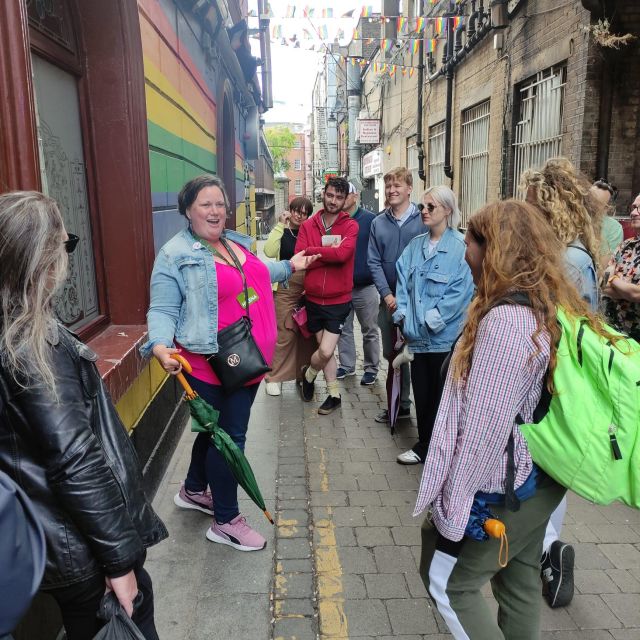
I also like the human touch. Guide Helena is praised for her warmth, humor, personal stories, and willingness to answer questions. The route includes the GPO, Liberty Hall, Trinity College, and the George, so you get both historical context and a useful introduction to central Dublin. The main consideration is that the tour is in English and covers serious subjects, including abuse and discrimination, in a fairly concentrated two-hour period.
Key points to know before you book
- The route links queer history to major Dublin landmarks, including the GPO, Liberty Hall, Trinity College, and the George.
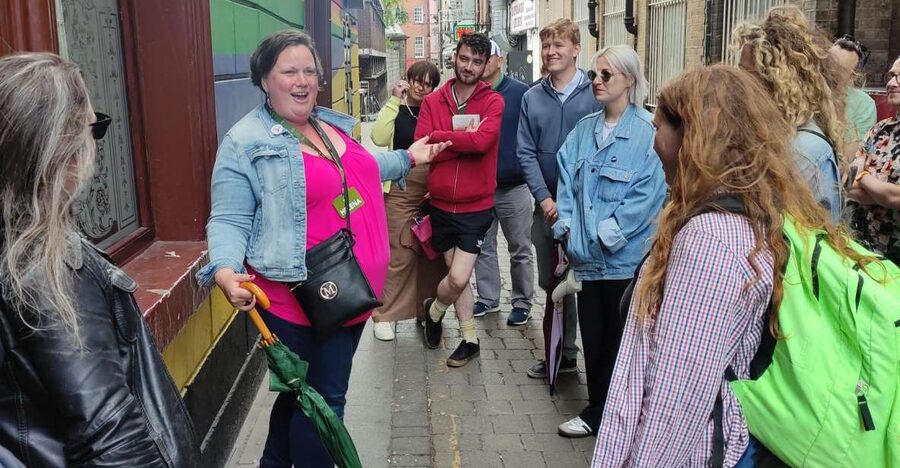
- Helena brings a personal, welcoming style to stories about Ireland’s LGBTQ+ community and its fight for equal rights.
- The tour covers both past and present, from revolutionary figures and early Pride protests to gender recognition and marriage equality.
- Diceman’s Corner and the Hirschfield Centre add lesser-known detail beyond the usual Dublin sightseeing route.
- The two-hour format works well for a first introduction, though the subject matter is broad and sometimes difficult.
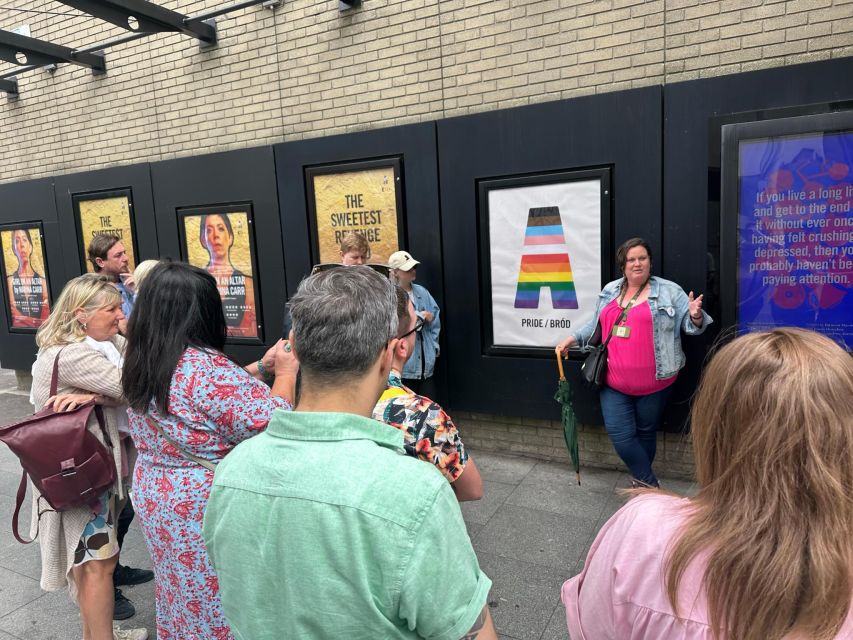
- The meeting point is easy to identify, outside the Old Storehouse Bar & Restaurant, where your guide carries a green umbrella.
Why Dublin’s queer story belongs in your sightseeing plans
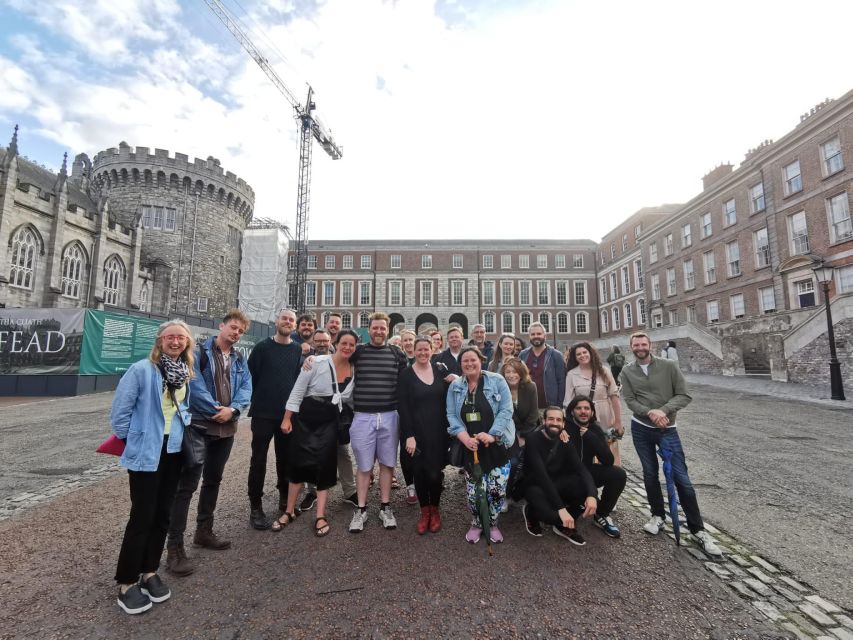
Many first visits to Dublin focus on the Book of Kells, Georgian streets, literary figures, pubs, and the 1916 Rising. Those subjects matter, but they do not tell the whole story of the city. This walk adds people and events often left out of a standard introduction to Ireland.
You will hear about Irish revolutionaries, civil rights campaigners, Pride march pioneers, and people who pushed public discussion of gender identity forward. That range is important. It shows that queer history is not limited to one protest, one bar, or one legal change. It is tied to politics, education, public speech, medicine, entertainment, and everyday life.
I like this approach because the route gives you something to look at while you listen. A lecture in a room can explain events, but walking from Liberty Hall to Trinity College helps you place those events in Dublin. The city becomes a set of reminders rather than just a backdrop.
The tone is not purely celebratory. You should expect stories about exclusion, abuse, and the long fight for recognition. At the same time, the tour points to major gains, including marriage equality and the Gender Recognition Act. That balance makes the experience more useful than a simple list of dates and famous names.
More Walking Tours in Dublin
- Dublin Highlights and Hidden Gems Guided Walking Tour
★ 5.0 · 6,020 reviews - Dublin: Highlights and Hidden Gems Walking Tour
★ 4.9 · 2,140 reviews - 1916 Rebellion Walking Tour
★ 5.0 · 1,605 reviews
Starting outside the Old Storehouse Bar
The meeting point is directly outside the Old Storehouse Bar & Restaurant. Look for a guide carrying a green umbrella, which should make the group easy to spot in a busy central area.
The tour ends back at the same meeting point. That return is handy if you want to continue exploring central Dublin, stop for food, or use the walk as a way to get your bearings early in your visit.
Wear comfortable shoes. The route lasts two hours and takes place on foot, so you will want footwear suited to Dublin streets rather than something chosen only for photographs. The activity is wheelchair accessible, though the supplied details do not describe the exact street conditions or any assistance available along the route. If you use a wheelchair, it is sensible to confirm route details when booking.
The guide speaks English. The price is listed at $27 per person. For two hours with a live guide and a subject that is not covered by many standard city tours, I consider that a fair price, especially if you value context and conversation rather than a quick photo stop.
Liberty Hall and the first Pride protest
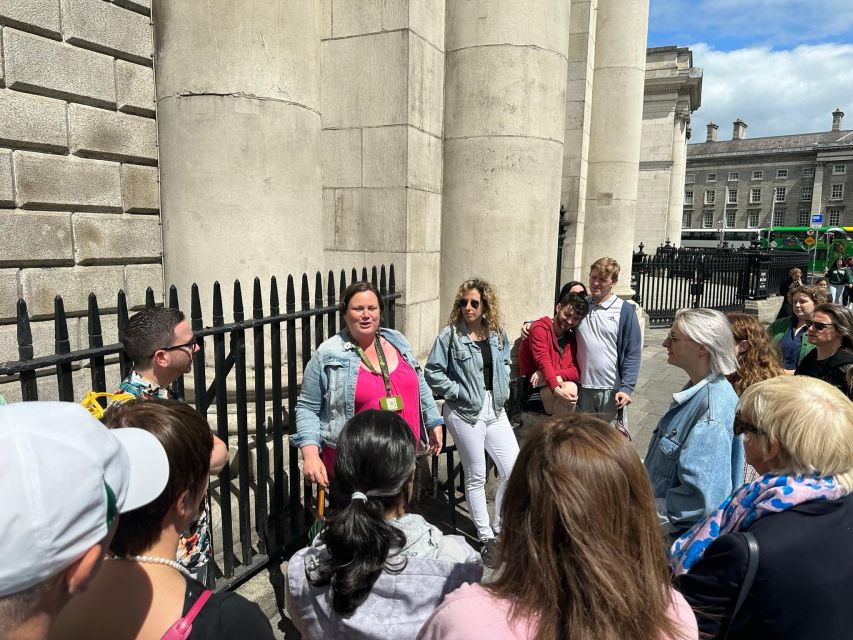
Liberty Hall is one of the tour’s key stops. Here, you hear about the first Pride protest and the early public struggle for LGBTQ+ recognition in Ireland.
The value of this stop is its setting. Liberty Hall is already linked with Irish political and labor history, so the tour shows how queer activism fits into the country’s broader history of protest and social change. You are not simply hearing that Pride happened at some point in the past. You are connecting the movement to a real place in Dublin.
This part of the walk may also help you understand how cautious and difficult early public action could be. The tour traces a shift from exclusion and abuse toward greater legal recognition, but it does not suggest that change came quickly or easily.
For me, the best use of this stop is to listen for the relationship between place and action. A building can look ordinary when you pass it alone. With a guide, it becomes part of a story about people choosing to be visible in a society that had often pushed them out of public life.
The GPO and Panti Bliss
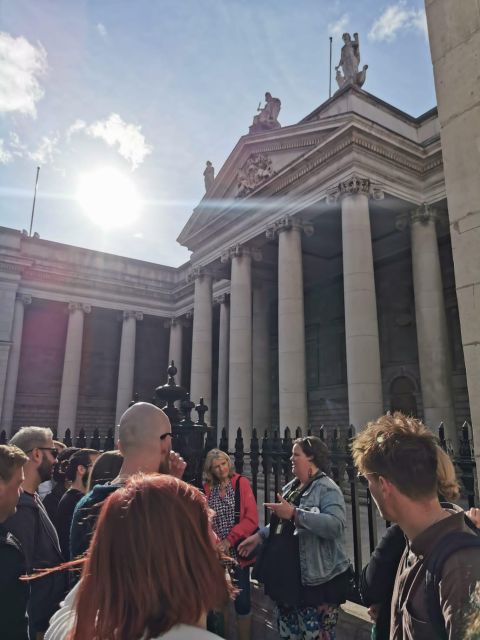
The General Post Office brings the tour into Ireland’s revolutionary past. Alongside the building’s better-known political associations, you hear about queer figures connected with revolutionary Ireland and public life, including Panti Bliss.
Panti Bliss is an especially useful figure for a walking tour because her story connects performance, public speaking, activism, and national debate. The tour uses her as part of a wider discussion about how queer people have claimed space in Irish public life.
I appreciate that the route does not separate queer history from Irish history. The GPO is a familiar stop for many Dublin visitors, but the discussion gives you another way to read it. You may have already heard about the building’s role in the 1916 Rising. This tour adds another layer, showing how public spaces can hold several political stories at once.
The GPO stop also gives the tour a lively human angle. The route is not only about legislation and institutions. It includes personalities, wit, and public courage. That mix helps keep the walk from becoming a string of difficult legal terms.
More walking routes in Dublin:
- 90 Minute Dublin Walking tour and Sightseeing tips
★ 5.0 · 916 reviews - 2-Hour Historical Walking Tour from Dublin
★ 5.0 · 875 reviews - Historical 2-Hour Guided Walking Tour of Dublin
★ 4.7 · 865 reviews - Dublin Traditional Irish 3 Course Meal Walking Tour with Local
★ 5.0 · 755 reviews
Trinity College and the Sexual Liberation Movement
Trinity College is another important stop. Here, the conversation turns to the Sexual Liberation Movement and the role of education and activism in changing public attitudes.
A college setting gives the discussion a different feel from the street scenes around Liberty Hall and the GPO. You hear about ideas spreading, people challenging accepted rules, and the pressure placed on those who argued for sexual freedom and equal rights.
This part of the tour is particularly useful if you want to understand how social change develops. Laws rarely change in isolation. Public discussion, organized groups, personal testimony, and persistent campaigning all help shift what a society considers possible.
The Trinity section also keeps the walk tied to present-day questions. Ireland’s movement toward equal rights did not erase every challenge. The tour addresses both progress and the ongoing work needed by the LGBTQ+ community.
Expect the route to move at a steady walking pace between stops. The supplied information does not give an exact group size or precise walking distance, so you should not book it expecting a private tour or a slow, fully seated experience. It is best suited to someone comfortable listening while walking through central Dublin.
The Hirschfield Centre and Diceman’s Corner
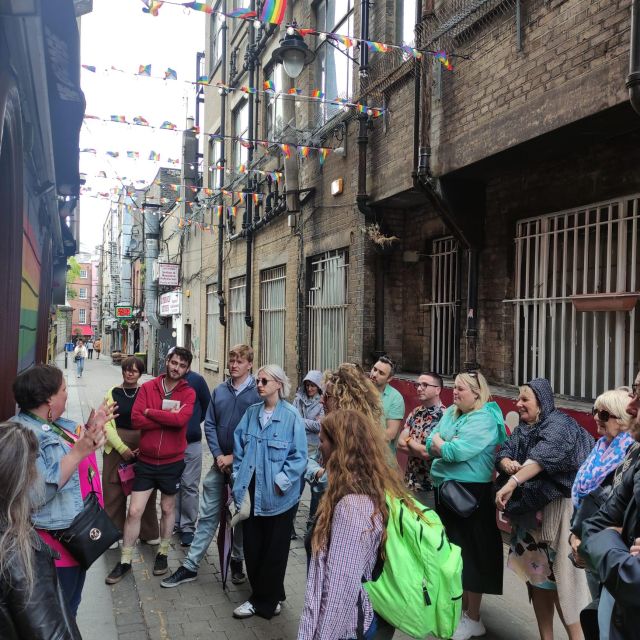
The Hirschfield Centre and Diceman’s Corner add detail that you would be unlikely to get from a general city tour. These places help show the importance of community spaces, meeting points, and local venues in LGBTQ+ life.
Diceman’s Corner is one of the route’s specific landmarks. It gives the guide a chance to talk about queer Dublin through places connected with people gathering and building community. The stop is valuable because it moves the story away from famous national institutions and toward the spaces where ordinary social life unfolded.
The Hirschfield Centre also helps broaden the story. The tour is not just about individuals who became well known. It points to the organizations and community settings that helped people find support, share information, and campaign for change.
You may find these stops more meaningful than a grand monument because they require explanation. On their own, they may not look like major attractions. That is precisely why a guide matters here. The history is carried by the story attached to the place.
The George and Dublin’s LGBTQ+ present
The route includes the George, described as Ireland’s most iconic LGBTQ+ venue. This stop brings the walk into a more recognizable and continuing part of Dublin’s queer life.
Unlike a monument marking a finished event, a venue such as the George represents community in the present. It shows that the story did not end with a law or a successful campaign. People still need places to meet, celebrate, organize, and feel at home.
The George also gives the tour a natural change of mood. Earlier stops may focus on protests, legal barriers, and personal struggles. Here, the emphasis can turn toward visibility, community, and the continuing role of LGBTQ+ venues.
The tour does not include entry to the venues or meals. You are passing important locations as part of a guided walk, not booking a pub crawl. If you want to return to the George later, you can use the tour as an introduction, but admission and any spending there are not included.
Helena’s warm, conversational guiding style
Guide Helena receives especially strong praise for being welcoming, funny, energetic, and easy to talk with. Her personal anecdotes add a human touch, while her answers to questions help the walk feel like a conversation rather than a speech.
That matters on a subject with difficult terminology and painful events. A guide who can move between serious history and light humor helps the two hours feel manageable. The strongest comments about Helena describe a person who is invested in the subject and makes the material both educational and enjoyable.
The guide’s attitude also seems to suit different ages. One parent specifically found the tour enjoyable with a teenage son. That does not mean every child will enjoy the material, but it suggests the presentation is accessible rather than academic or overly formal.
You should still choose the tour with care if you prefer a purely lighthearted outing. The story includes discrimination, abuse, and exclusion. The warmth of the guide does not remove the serious nature of the subject.
The value of the $27 price
At $27 per person, this is not the cheapest way to spend two hours in Dublin. You can walk past many of these streets for free. The price pays for the connections between places, the guide’s preparation, and the stories that are hard to find by simply following a map.
I think the value is strongest for three kinds of visitors:
- You want to understand Ireland beyond the standard tourist story.
- You care about LGBTQ+ history or want a more inclusive view of Dublin.
- You enjoy walking tours led by a person who can answer questions and add personal detail.
The value is weaker if you want a broad overview of Dublin’s main attractions. This is a focused history walk, not a general introduction to the castle, cathedrals, museums, and Georgian architecture. It also does not include transport, food, or entry to attractions.
The two-hour length is a good compromise. It is long enough to connect several sites but short enough to fit into a busy Dublin itinerary. You could schedule it early in your visit, then return to one or two places that caught your interest.
Who should book this Dublin walking tour?
I would book this tour if I wanted to see Dublin through a different set of stories and preferred a guide-led experience to reading plaques or searching online as I walked. The mix of major places, lesser-known sites, public figures, and community history gives the route real purpose.
It is also a good choice for LGBTQ+ visitors, allies, families with older children, and anyone interested in the way Irish society has changed. The welcoming guide style makes it approachable, while the subject matter has enough depth for people who already know something about LGBTQ+ history.
I would choose another activity if I wanted a general sightseeing tour, a pub-focused evening, or a route with little discussion of difficult social issues. The walk is focused and sometimes serious. That is part of its value, but it should match your interests.
Should you book it?
Book this tour if you want a focused, human account of Dublin’s queer history and like learning through real places. The combination of Liberty Hall, the GPO, Trinity College, Diceman’s Corner, the Hirschfield Centre, and the George gives you a strong two-hour route, while Helena’s warm style adds personality.
At $27, it offers good value for a specialized walking tour, particularly because it connects past struggles with present-day LGBTQ+ life. Bring comfortable shoes, meet the guide with the green umbrella outside the Old Storehouse, and come ready for both difficult stories and hard-won progress.
FAQ
How long is the Dublin LGBT Pride walking tour?
The tour lasts two hours.
Where does the tour start?
Meet your guide directly outside the Old Storehouse Bar & Restaurant.
How will I recognize the guide?
Look for someone carrying a green umbrella.
Where does the tour finish?
The tour ends back at the meeting point outside the Old Storehouse Bar & Restaurant.
What language is the tour in?
The live tour guide speaks English.
Is the tour wheelchair accessible?
Yes, the activity is listed as wheelchair accessible.
What should I bring?
Bring comfortable shoes for walking through Dublin.
What locations are included?
The route includes Liberty Hall, the General Post Office, Trinity College, the Hirschfield Centre, Diceman’s Corner, the George, and other central Dublin locations.
Which historical figures are discussed?
The tour includes stories about Panti Bliss, Dr Lydia Foy, and other important figures in Ireland’s LGBTQ+ history.
Can I cancel for a full refund?
Yes. You can cancel up to 24 hours in advance for a full refund.
More history tours in Dublin
- Dublin Historical Centre Food Tour with 8 Food Tastings & Drinks
★ 5.0 · 1,718 reviews - Dublin to Cork, Blarney Castle & Cóbh Heritage Centre by train
★ 4.5 · 510 reviews - Dublin: Jeanie Johnston Tall Ship Irish Famine History Tour
★ 4.8 · 431 reviews - Dublin’s Haunted History Walking Tour
★ 4.3 · 345 reviews
Just added around Dublin
- Gin School, distill you own gin, cocktails, tastings, food★ 5.0 · 8 reviews
- Dublin : Street Art Walking Tour★ 5.0 · 3 reviews
- Dublin: Personal Photographer- Travel Photography Experience★ 4.5 · 8 reviews
- Dublin: Skip-the-line Book of Kells & Old Town Private Tour★ 5.0 · 6 reviews
- Dublin: Howth Coastal Craft Beer and Seafood Tour★ 5.0 · 62 reviews
- Vikings In Dublin (Walking Tour)★ 5.0 · 8 reviews
- Dublin: Silent Disco Walking Tour★ 4.9 · 21 reviews
- Dublin: Private Pub Tour★ 5.0 · 3 reviews
Historical Tours, compared.

Dublin Historical Centre Food Tour with 8 Food Tastings & Drinks
Read our review →

Dublin to Cork, Blarney Castle & Cóbh Heritage Centre by train
Read our review →
Jeanie Johnston Tall Ship Irish Famine History Tour
Read our review →

Deliciously Dublin: The Artisan Donut Walking & History Tour
Read our review →
Browse the lists this tour appears in