
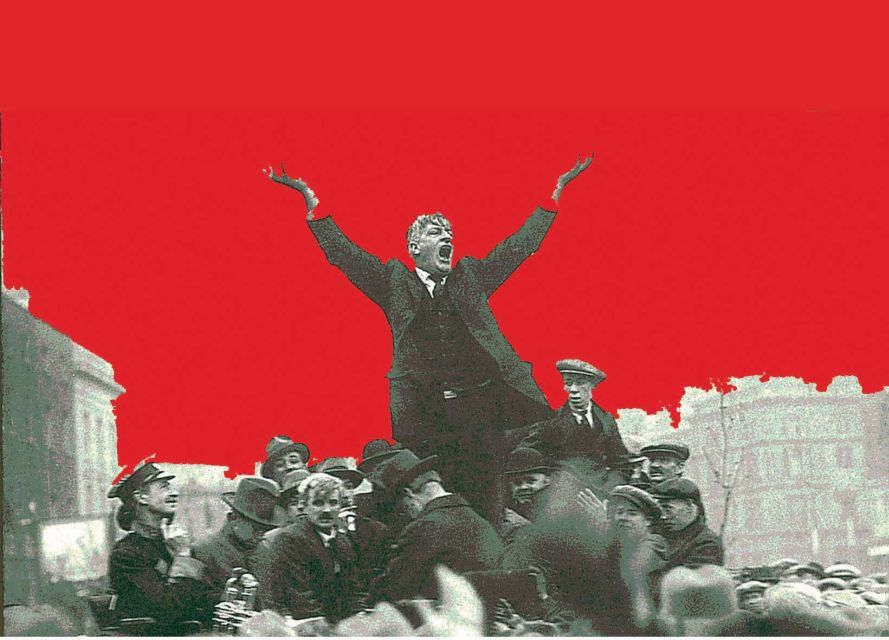
Reviewed · HISTORICAL TOURS
Historical 2-Hour Guided Walking Tour of Dublin
Dublin’s past is packed into a small central area, and this two-hour history walk makes good use of it. You’ll move from the front of Trinity College through the Medieval City, past Dublin Castle, City Hall, and Temple Bar, while your guide connects buildings and streets to the larger story of Ireland.
I like two things here: the guides have studied history at Trinity College Dublin or University College Dublin, and the best of them, including Daragh, Colm, Jodie, and Jody Fitzpatrick, bring real stage presence to the subject. I also like the price, $22 per person, which is fair for a focused introduction to Dublin.
The main caution is the pace. You’ll hear many names, dates, uprisings, and political shifts in only two hours. If you want time inside Dublin Castle or a slow architectural tour, this walk may feel brisk.
Key points to know before you book
- The route links major central sights: Dublin Castle, City Hall, Temple Bar, and the Medieval City all feature in the walk.
- The history runs from ancient Ireland to Brexit: The focus includes the Potato Famine, the 1916 Rising, the War of Independence, and the Northern Ireland Peace Process.
- The guide makes or breaks the experience: Daragh, Jodie, Colm, Jody Fitzpatrick, Eoin, Grace, Nate, and Tommy have all been praised for humor, passion, storytelling, and command of the subject.
- Expect an outdoor history lesson: You stop at streets, buildings, statues, and details such as bullet holes rather than spending the tour inside museums.
- The tour suits first-time visitors and history fans: It gives you a useful framework for understanding Dublin before you explore Ireland farther afield.
- Bring sensible shoes and listening ears: The route lasts two hours, and clear English is important because the guide covers plenty of detail.
Why this Dublin walk works so well
The best city walks do more than point at old buildings. They explain why a place looks the way it does, who fought over it, and how earlier events still affect daily life. This tour takes that approach.
You are not simply shown Dublin Castle, Temple Bar, and City Hall as separate sights. The guide uses them as stops in a larger account of power, religion, rebellion, empire, famine, independence, and modern politics. That makes the walk especially useful if Irish history feels like a jumble of dates and names.
The tour begins at the Henry Grattan Statue opposite the front gate of Trinity College. Look for a guide wearing an Authenticity Tours lanyard or badge. The meeting point is central and easy to identify, and the tour ends back there, which helps if you have another booking afterward.
The format is straightforward. You walk, stop, listen, ask questions, and move on. There is no coach ride or complicated transfer. For a first morning or afternoon in Dublin, this gives you a quick sense of the city center and a historical map for later sightseeing.
More Walking Tours in Dublin
- Dublin Highlights and Hidden Gems Guided Walking Tour
★ 5.0 · 6,020 reviews - Dublin: Highlights and Hidden Gems Walking Tour
★ 4.9 · 2,140 reviews - 1916 Rebellion Walking Tour
★ 5.0 · 1,605 reviews
Starting at Trinity College and Henry Grattan
The Henry Grattan Statue provides more than a convenient meeting place. Grattan was an important Irish parliamentarian, so the tour begins with a figure tied to Ireland’s long struggle over political power and self-government.
From the start, expect the guide to set out a broad timeline. The story reaches back before the modern republic and moves through outside influence, local politics, revolution, partition, and present-day Ireland. That range is ambitious for two hours, but it gives you the context needed to understand later stops.
Several guides have been praised for presenting difficult material in a lively way. Jody Fitzpatrick is also an actor, and his style includes humor and a strong sense of performance. Colm has added songs connected with the events being discussed, while another guide has used singing to bring cultural context into the walk.
That theatrical touch will appeal to you if you prefer a story with energy. If you want a quiet, academic lecture, the presentation may feel more animated than expected. Still, the humor serves a purpose: it helps separate one period from the next and makes a long sequence of events easier to remember.
Dublin Castle and the Medieval City
Dublin Castle is one of the key stops, but you should be clear about what that means. Entrance to the State Apartments is not included, so this is primarily an outdoor visit and historical explanation rather than a full castle tour.
The castle matters because it represents centuries of English and British administration in Ireland. Your guide can use the site to explain how authority was organized, how Dublin functioned as a center of power, and why control of the city mattered so much during periods of unrest.
The surrounding Medieval City adds texture to that story. Here, the pleasure is in seeing how modern Dublin sits on top of older layers. Streets, buildings, statues, and small marks on the city can become evidence in the narrative.
One particularly useful detail is the attention to bullet holes. These physical traces connect the abstract story of revolt to the actual walls around you. You are not only hearing about the 1916 Rising or the War of Independence. You may also be shown where conflict left a mark.
This portion of the walk is strongest for visitors who want history tied to place. It is less suited to anyone hoping for long interior visits, museum displays, or extensive time to take photographs. Stops are designed to support the story, not pause it.
City Hall, Temple Bar, and Dublin’s central story
City Hall gives the guide another strong setting for discussing civic power and the changing character of Dublin. The building and its surroundings help explain how the city was governed and how political ideas moved from speeches and debates into action.
Temple Bar is likely the most familiar name on the route. Today, many people know it for pubs, restaurants, music, and nightlife. The tour gives you a chance to see beyond that modern reputation and consider the area within Dublin’s older street plan and political past.
This is one reason I would take the walk early in a Dublin visit. Once you know what you are looking at, you can return to these areas with more purpose. A later drink in Temple Bar becomes more than a stop in a popular district, and a walk near the castle carries more meaning than a quick photo opportunity.
The route stays in central Dublin, so you get an efficient introduction without spending time on transport. That efficiency is a strength at $22. You are paying for a guide who organizes the city’s story while you walk between important locations, not for a long transfer or a large attraction ticket.
More walking routes in Dublin:
- 90 Minute Dublin Walking tour and Sightseeing tips
★ 5.0 · 916 reviews - 2-Hour Historical Walking Tour from Dublin
★ 5.0 · 875 reviews - Dublin Traditional Irish 3 Course Meal Walking Tour with Local
★ 5.0 · 755 reviews - Dublin: Mythology, Folklore and Legends Walking Tour
★ 4.9 · 703 reviews
The Potato Famine, revolutions, and the 1916 Rising
The historical content is broad and serious. The guide discusses the influence of the American and French revolutions, the Potato Famine, the 1916 Rising, and the War of Independence.
The American and French revolutions help place Irish political thought in an international setting. Ireland’s story was not sealed off from events elsewhere. Ideas about liberty, representation, and national identity traveled across borders and influenced Irish politics.
The Potato Famine requires careful explanation because it affected population, land, class, migration, and the relationship between Ireland and Britain. A short walking tour cannot cover every aspect, but it can show you why the famine remains central to Irish memory and politics.
The 1916 Rising and the War of Independence bring the story into a more immediate political period. You will hear about people, events, and locations connected with the fight for Irish independence. Guides are expected to explain not only what happened, but why the events mattered and how their meaning changed over time.
This is where the guide’s ability matters most. A list of dates would be hard to follow. The strongest guides, including Daragh and Jodie, connect each episode to the street in front of you and answer questions without losing the main thread.
From the peace process to modern Dublin
The tour does not stop with independence. It also covers modern history and the effects of the Northern Ireland Peace Process.
That final stretch is valuable because it keeps Irish history from becoming a story that ends with the formation of the state. The political questions connected with identity, borders, community, and national belonging continued long after the War of Independence.
The tour may also bring the story toward Brexit and present-day Ireland. Jody Fitzpatrick has been praised for taking his account from the Stone Age to Brexit, which shows how wide the timeline can be. You should expect a brisk overview rather than a detailed seminar on each period.
This modern section may be especially useful if you know the broad outline of Irish history but want to understand how older events connect with current society. It also gives you background that can help during later visits to Belfast, the west of Ireland, or other parts of the country.
What the guides do best
The strongest feature of this experience is the guide’s ability to make a large subject manageable. The guides are history graduates, but they are not limited to dry instruction. Daragh has been praised for linking names and dates to context, while Colm is known for detailed explanations, personal warmth, and a sense of humor.
Jodie and Jody Fitzpatrick are also praised for being easy to hear in a noisy city. That matters. Dublin’s center can be loud, and a guide who cannot project clearly will quickly lose half the group.
You may hear different styles depending on the day. One guide may rely on jokes and performance. Another may offer a more traditional history lesson. Several guides have used songs or personal anecdotes to make particular events memorable.
The subject can still feel dense. One rating specifically noted that the number of facts and dates can resemble a lecture, even when the presentation remains entertaining. I consider that a fair warning. You will get more from this walk if you enjoy listening closely and asking questions.
How much walking and time to allow
The tour lasts two hours and involves walking through the city center with regular stops. One guide has been described as covering the route at an easy pace with many pauses at buildings, statues, and points of historical interest, but you should still wear comfortable walking shoes.
Because the activity ends where it begins, you can plan around it without arranging a separate return trip. Check the available starting times when booking, since the schedule can affect how easily you fit the walk around meals, museum visits, or evening plans.
English is the tour language. You need a good enough command of English to follow a detailed spoken account, especially because the content includes unfamiliar names and historical terms. The activity is listed as wheelchair accessible, though the supplied details do not explain the exact street conditions or route surface.
Is $22 good value?
At $22 per person, I consider this a sensible buy if you want a guided introduction to Dublin rather than a collection of admission tickets.
The main value comes from the structure. You could walk past Dublin Castle, City Hall, Temple Bar, and the Medieval City on your own, but you would not automatically understand how those places connect. A strong guide turns a short walk into a framework for the rest of your time in Ireland.
The price does not include entrance to the State Apartments in Dublin Castle, so keep that separate if you want to visit inside. Personal expenses are also your responsibility. Still, the tour includes the local guide and entrance fees as specified in the route, making the cost modest for a two-hour central walk.
The value is highest for first-time visitors, people with limited time, and anyone who wants historical context before visiting other Irish sites. It is lower if you have already taken several Dublin history tours or prefer to explore independently with a guidebook.
Who should book this tour?
Book it if you want the major central sights explained in one sitting. It is a good fit for couples, families with older children, solo visitors, and history fans who enjoy questions and conversation.
It also suits repeat visitors. One person who had visited Dublin five times still found the tour useful because it added context to familiar places. That is a good sign for anyone who has seen the obvious sights but never put their history together.
You may want another activity instead if you need long stops for photography, a full visit inside Dublin Castle, or a narrow focus on one period. The tour covers a lot, and its strength is the broad connection between events rather than detailed treatment of one subject.
My verdict on the Dublin history walk
I would book this tour near the start of a Dublin stay. The route is central, the cost is reasonable, and the guide gives you a useful way to read the city. The best guides combine serious historical study with humor, songs, personal stories, and a clear sense of place.
Go in ready to listen. You will hear plenty of names and dates, and the two-hour format leaves little room for lingering. But if you want Dublin’s streets to make more sense, this is a practical and engaging choice.
FAQ
How long does the Historical 2-Hour Guided Walking Tour of Dublin last?
The tour lasts two hours. Starting times vary, so check availability for the date you want.
Where does the tour begin?
Meet at the Henry Grattan Statue opposite the front gate of Trinity College in Dublin.
Where does the tour end?
The activity ends back at the meeting point near Trinity College.
How do I identify the guide?
Your guide will wear an Authenticity Tours lanyard or badge around their neck.
What language is the tour offered in?
The live guided tour is offered in English.
Is Dublin Castle’s State Apartments entrance included?
No. Entrance into the State Apartments at Dublin Castle is not included.
Is the walking tour wheelchair accessible?
Yes, the activity is listed as wheelchair accessible.
Can I cancel and receive a full refund?
Yes. You can cancel up to 24 hours in advance for a full refund. You can also reserve now and pay later.
More history tours in Dublin
- Dublin Historical Centre Food Tour with 8 Food Tastings & Drinks
★ 5.0 · 1,718 reviews - Dublin to Cork, Blarney Castle & Cóbh Heritage Centre by train
★ 4.5 · 510 reviews - Dublin: Jeanie Johnston Tall Ship Irish Famine History Tour
★ 4.8 · 431 reviews - Dublin’s Haunted History Walking Tour
★ 4.3 · 345 reviews
Just added around Dublin
- Gin School, distill you own gin, cocktails, tastings, food★ 5.0 · 8 reviews
- Dublin : Street Art Walking Tour★ 5.0 · 3 reviews
- Dublin: Personal Photographer- Travel Photography Experience★ 4.5 · 8 reviews
- Dublin: Skip-the-line Book of Kells & Old Town Private Tour★ 5.0 · 6 reviews
- Dublin: Howth Coastal Craft Beer and Seafood Tour★ 5.0 · 62 reviews
- Vikings In Dublin (Walking Tour)★ 5.0 · 8 reviews
- Dublin: Silent Disco Walking Tour★ 4.9 · 21 reviews
- Dublin: Private Tour of City Monuments in Spanish★ 5.0 · 6 reviews
Historical Tours, compared.

Dublin Historical Centre Food Tour with 8 Food Tastings & Drinks
Read our review →

Dublin to Cork, Blarney Castle & Cóbh Heritage Centre by train
Read our review →
Jeanie Johnston Tall Ship Irish Famine History Tour
Read our review →

Deliciously Dublin: The Artisan Donut Walking & History Tour
Read our review →

Browse the lists this tour appears in