
Reviewed · HISTORICAL TOURS
Dublin: Jeanie Johnston Tall Ship Irish Famine History Tour
The most powerful part of the Jeanie Johnston tour is going below deck. The ship’s tight quarters make the famine voyage less like a distant history lesson and more like a hard physical reality. You see where as many as 250 people spent most of their time, with only half an hour of fresh air each day.
I like the way the tour balances ship details with personal stories. Guides such as Steve, Claire, Owen, Eoin, and Katrina have been praised for making the subject clear, lively, and suitable for children. I also like the short length: 50 minutes is enough to add a serious piece of Irish history to your Dublin day without taking over your schedule.
The main drawback is practical rather than historical. The ship involves stairs and confined areas, so this tour is not suitable for wheelchair users or people with limited mobility. Wear comfortable shoes, and remember that the $16 price covers the guided ship visit only, not transport to the dock.
Key points to know before boarding
- A real ship-shaped history lesson: You move from the open upper deck into cramped below-deck quarters, giving the famine story a strong sense of place.
- Personal stories matter here: The guide introduces passengers and crew, explaining how people paid for the crossing, what they ate, and what awaited them overseas.
- A short but serious tour: The visit lasts 50 minutes, making it easy to fit into a day around Dublin’s Docklands.
- The upper deck gives you a different Dublin view: You can look across the dock area, see the masts and shipwork, and hear gulls and harbor sounds.
- Guiding is a major part of the value: Steve, Claire, Owen, Eoin, Katrina, Catriona, Ronan, Rolland, Josh, and other guides have been singled out for clear storytelling and good work with children.
- Plan for stairs and tight spaces: Comfortable shoes are recommended, and the attraction is not suitable for wheelchair users or people with limited mobility.
Why the Jeanie Johnston adds something different to Dublin
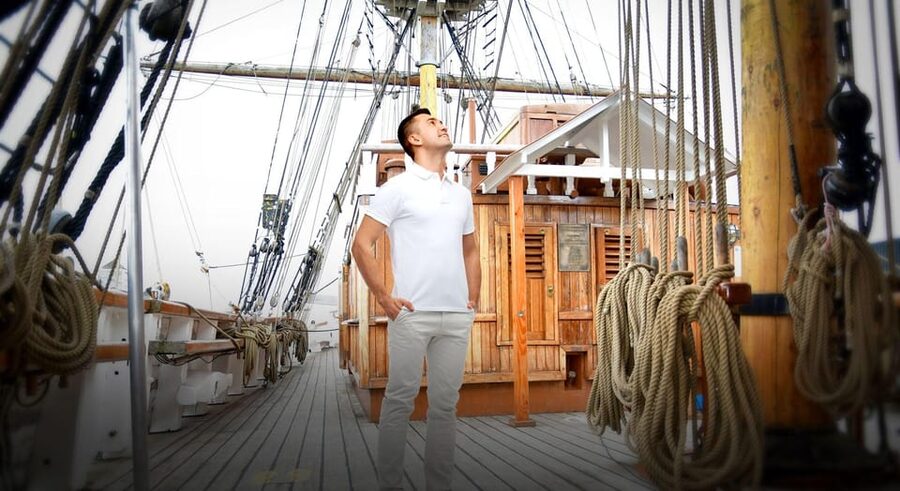
Dublin has museums that explain the famine, but the Jeanie Johnston gives you a physical setting for it. You are not simply reading about emigration in a gallery. You are standing on a tall ship built to represent the kind of vessel that carried Irish people away during one of the country’s darkest periods.
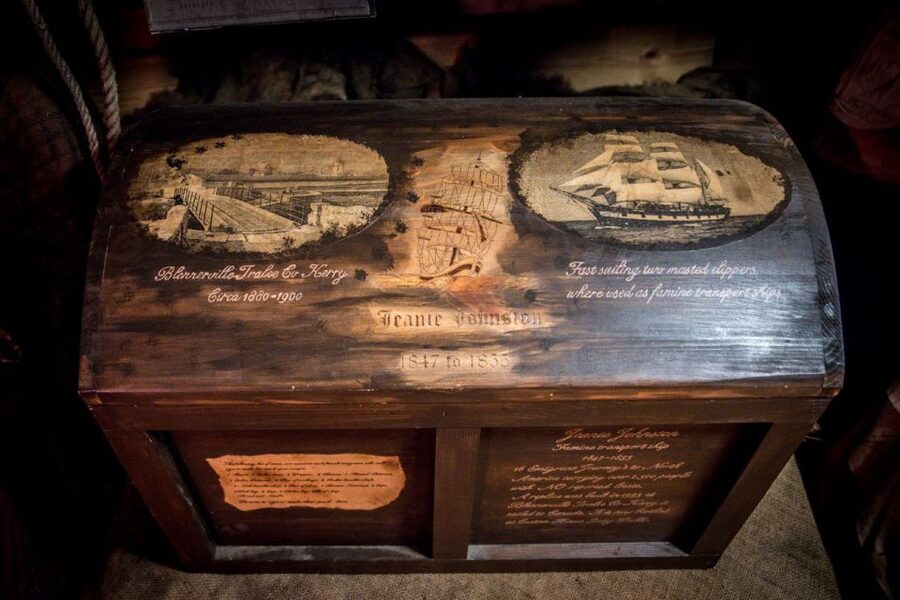
Around one million Irish people left Ireland during the famine years. About 2,500 passengers traveled on the original Jeanie Johnston across a series of voyages. That number becomes easier to understand once you see how little room there was below deck.
The ship also helps you understand that it was not built only as a famine vessel. Its earlier work involved transporting timber before it changed to carrying people. That shift reflects the wider shipping trade of the 19th century, when vessels were used for cargo, migration, and long Atlantic crossings.
The ship you visit is a replica, and part of the tour explains both the original vessel and the building of the replica. That distinction matters. You are not walking through an untouched 19th-century interior, but the design gives the guide a convincing setting for explaining how the ship worked and how people lived aboard it.
A few more things to do around Dublin worth a look
- Dublin Historical Centre Food Tour with 8 Food Tastings & Drinks
★ 5.0 · 1,718 reviews - 2-Hour Historical Walking Tour from Dublin
★ 5.0 · 875 reviews - Historical 2-Hour Guided Walking Tour of Dublin
★ 4.7 · 865 reviews
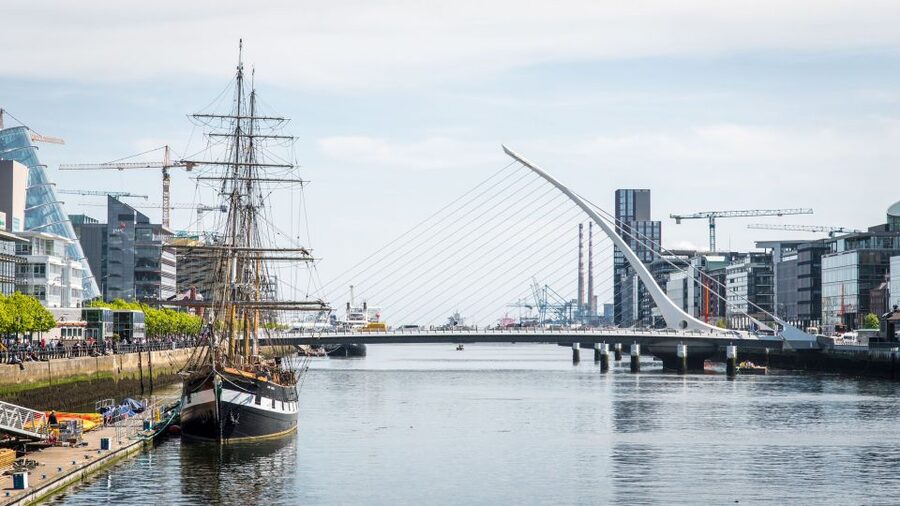
Starting above deck with Dublin Docklands around you
The tour begins on the upper deck. This is a good opening because it lets you look at the ship as a working vessel before the focus turns to the passengers below.
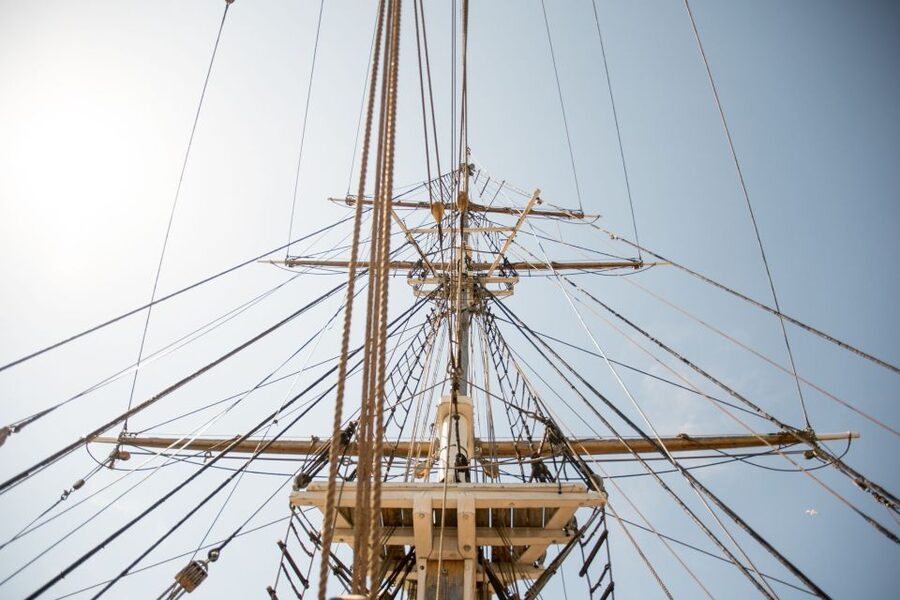
Take a moment to look up at the masts and across the deck. The height and timberwork help you picture the ship carrying cargo and people across the Atlantic. It is also one of the most photographed attractions in the area, so this is the natural place for a shipboard photograph.
The dockside setting adds sound and movement to the visit. You can feel the wind, notice the salty air, and hear gulls overhead. Those details are simple, but they help the ship feel connected to the water rather than sealed away as a static museum object.
Your guide explains the history of tall ships and the shipping trade before moving into the story of the Jeanie Johnston itself. This part is useful if you are not already familiar with sailing ships. You learn why the vessel was built, how its purpose changed, and how the replica relates to the original.
The upper deck is also the easier part of the tour physically. You have more air and room to look around, while the later section below deck is tighter. If you are traveling with children, this opening gives them something visual to focus on before the heavier material begins.
Going below deck to understand the voyage
The emotional center of the visit comes below deck. Here, you see the quarters where up to 250 passengers spent most of their time during the crossing.
The space is cramped, and that is the point. People were not able to move freely around the ship or enjoy the open air whenever they wanted. They emerged for only about half an hour of fresh air each day, a small allowance during a long and dangerous voyage.
The guide introduces individual passengers and crew members rather than treating the emigrants as one anonymous group. You hear how people paid for their passage, what they ate, and how they passed the time. Those practical details are valuable because they show the voyage as a series of daily problems, not just a line on a map.
You also learn about the conditions on board. Disease, starvation, and disaster were constant risks. The quarters could be grim and dirty, and people faced an uncertain future at the end of the crossing.
The ship’s layout does some of the explaining for you. A guide can describe crowding, but the narrow interior gives you an immediate sense of how little privacy and comfort passengers had. You do not need a long dramatic speech to understand why the journey was such a test.
The tour also deals with what happened after arrival. A crossing did not mark the end of the story. People had to face an unfamiliar destination and build a new life there, often after leaving Ireland under terrible pressure.
One unusual point gives the Jeanie Johnston its own place in the story: the original ship completed 16 voyages to America without a death on board. That does not make the crossing easy or comfortable, but it is a striking fact when set against the disease and loss associated with many famine ships.
The guides make the history work
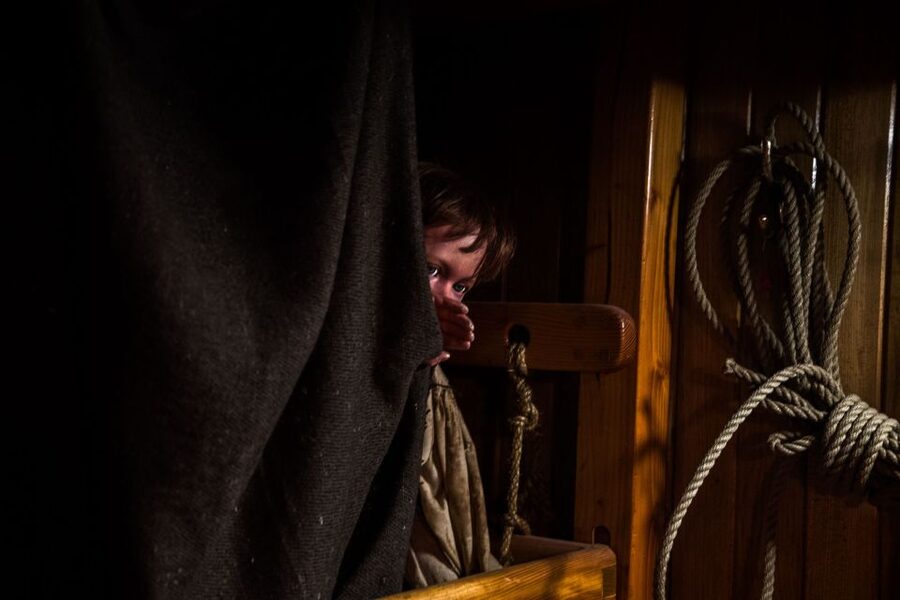
This is a guide-led experience, and the guide can shape the visit. The strongest part of the tour is not just the ship itself. It is the way the guide links the timber, deck, bunks, food, payment, and destination into one understandable story.
Steve has been praised for being clear, friendly, informative, and entertaining. One family found that he held the attention of children from age seven to 15 and helped them connect with the famine story. That is useful if you are visiting with children who might normally switch off during a historical tour.
Claire has been noted for combining humor with solid information and for explaining the subject in an approachable way. Catriona worked patiently with a 10-year-old who was uneasy around the mannequins on board. Katrina also involved children in the storytelling and encouraged them to take part.
Other guides named by visitors include Josh, Owen, Eoin, Ronan, Rolland, and Gearoid. The repeated praise for different guides suggests that the standard of the experience does not depend on one individual. Still, each guide will have a different style, so expect the same core material delivered with a personal touch.
Guides also invite questions, which helps the tour suit a range of ages. Adults can ask about emigration and the shipping trade, while children can focus on food, sleeping arrangements, or how people spent their time. The subject is sad, but the best guides use a little humor and direct explanation without making light of the suffering.
Same base, a very different sort of day:
- Dublin to Cliffs of Moher, including Wild Atlantic Way and Galway
★ 5.0 · 23,331 reviews - From Dublin: Cliffs of Moher, Burren & Galway City Day Tour
★ 4.8 · 18,888 reviews - Dublin: Guinness Storehouse Entry Ticket
★ 4.6 · 16,863 reviews - Dublin to Cliffs of Moher, Burren, Wild Atlantic Way, Galway Tour
★ 5.0 · 12,924 reviews
How long the 50-minute visit feels
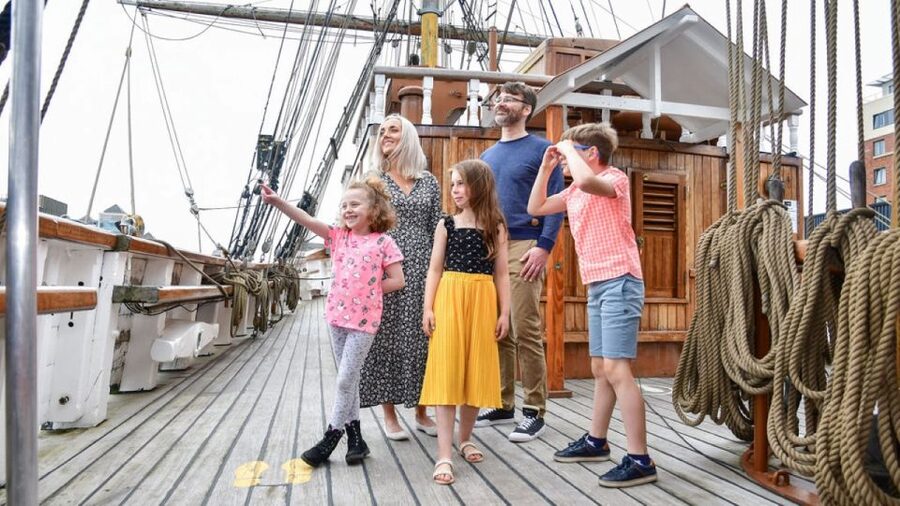
Fifty minutes is a sensible length for this attraction. It gives you enough time to see both decks and hear the main story, but it does not ask you to spend half a day inside a small ship.
The short format makes the Jeanie Johnston easy to pair with other Dublin sights. You can visit the Docklands, make time for nearby city attractions, or use it as a focused history stop during a wider walking day.
Do not mistake the short duration for a lightweight visit. The material is serious, and the lower deck can leave you with a lot to think about. The tour is structured rather than open-ended, so you are guided through the ship instead of wandering around with limited explanation.
Starting times vary, so you need to check availability when booking. The tour starts and ends at the Jeanie Johnston Tallship at City Moorings, Custom House Quay, Dublin 1. Hotel pickup and drop-off are not included, so you need to make your own way to the meeting point.
Is $16 a fair price?
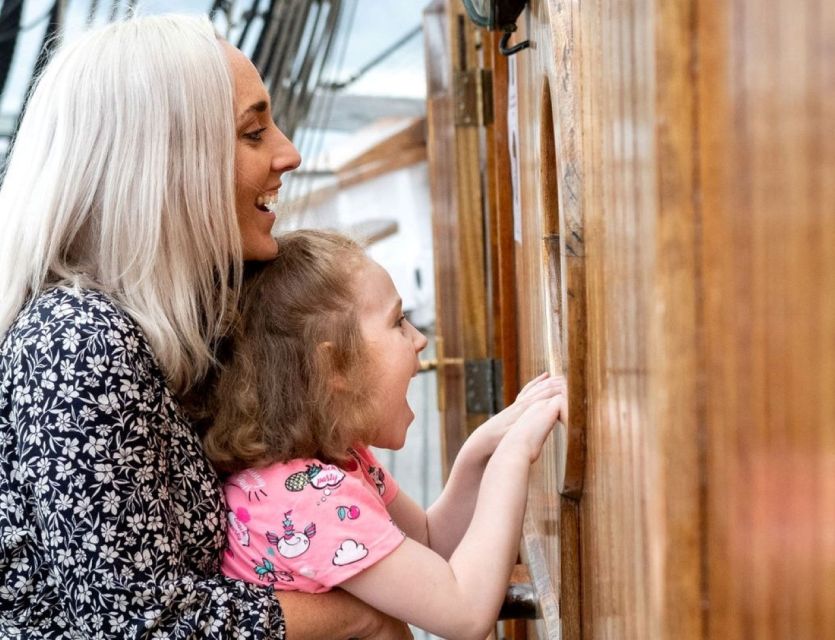
At $16 per person, I consider this a good-value Dublin attraction if you want history with a strong sense of place. The price includes entrance and the guided tour, not a brief self-guided look at the outside of a ship.
The value comes from the combination of access and explanation. You see the upper deck, go below deck, hear passenger stories, and learn about the original ship and replica. A ship visit without a guide would not provide the same context.
It is also a manageable purchase for families. The tour lasts less than an hour, and the guides have shown they can keep younger visitors involved. If your children are sensitive to mannequins or difficult historical subjects, you may want to prepare them in advance, but the guide can help keep the material understandable.
You can reserve now and pay later, which helps if your Dublin schedule is still changing. You can also cancel up to 24 hours ahead for a full refund. Those policies reduce the risk of fitting the visit into a busy city itinerary.
Who should book the Jeanie Johnston?
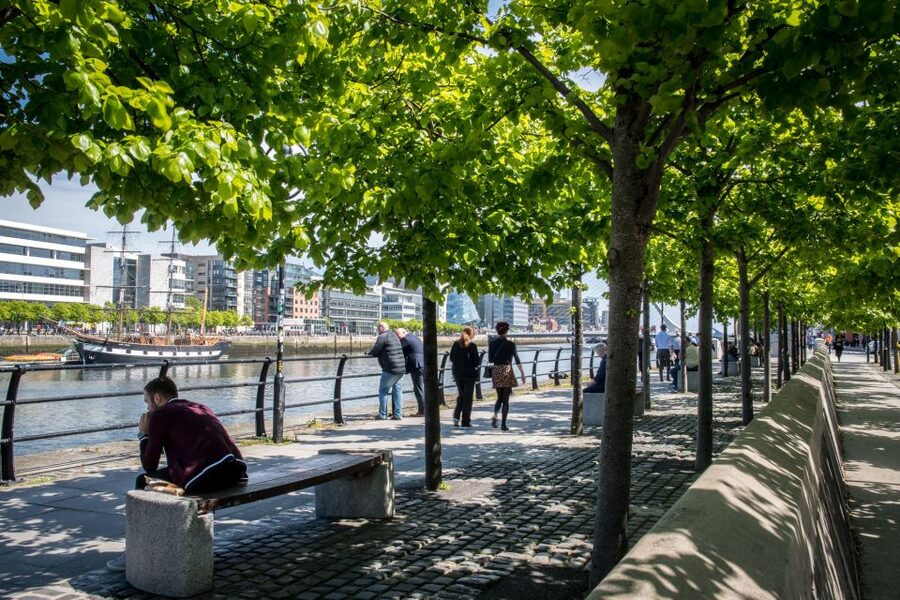
I would choose this tour if you want to understand Irish famine emigration through real spaces and human stories. It suits adults interested in Irish history, families looking for a focused educational stop, and anyone who prefers a guided visit to a large museum.
The tour is especially useful if the famine is a major reason for your interest in Ireland. It explains not only that people left, but also how they paid for passage, what they ate, how they lived during the crossing, and what they faced at the other end.
It may not be right for you if you dislike confined spaces, have difficulty with stairs, or need step-free access. The attraction is not suitable for wheelchair users or people with limited mobility. Comfortable shoes are a practical must.
The subject is also emotionally heavy. You can expect stories about hunger, disease, poor conditions, and families forced to leave home. The guide keeps the visit accessible, but this is not a cheerful sightseeing cruise.
Simple ways to get more from the visit
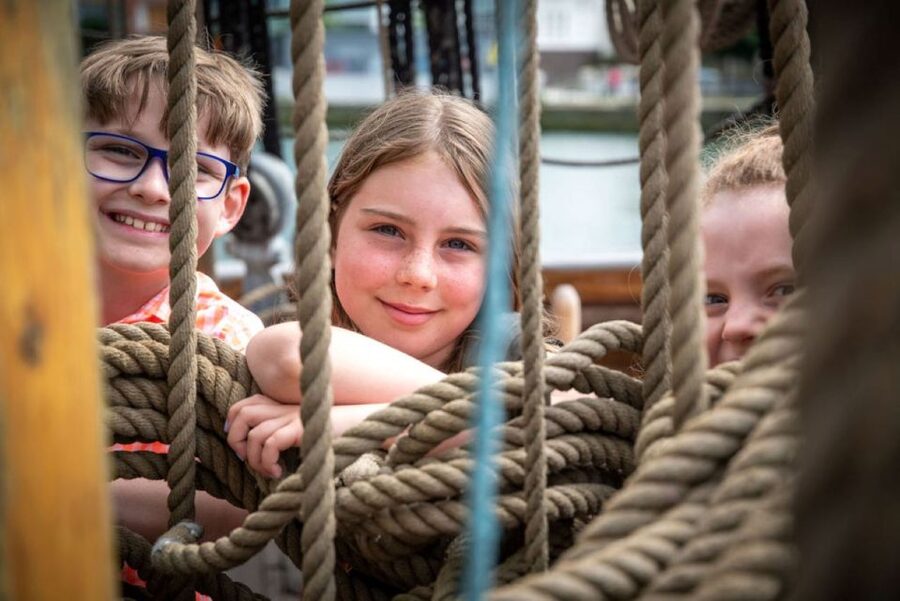
Arrive ready to listen, rather than treating the ship as only a photo stop. The upper deck is attractive, but the lower deck holds the clearest explanation of what the crossing demanded.
If you are with children, ask them to notice practical details. How many people share the space? How would they spend a day with only a short time outside? What would they eat? These questions can help younger visitors connect with the story without needing a long history lecture.
Take your photograph above deck, then give the lower section your full attention. The contrast between the open air outside and the confined quarters below is one of the most effective parts of the visit.
Finally, leave a little time around the scheduled start if you are combining this with other plans. The tour itself is 50 minutes, but you will want to locate City Moorings on Custom House Quay and avoid rushing from another part of Dublin.
Should you book this Dublin famine ship tour?
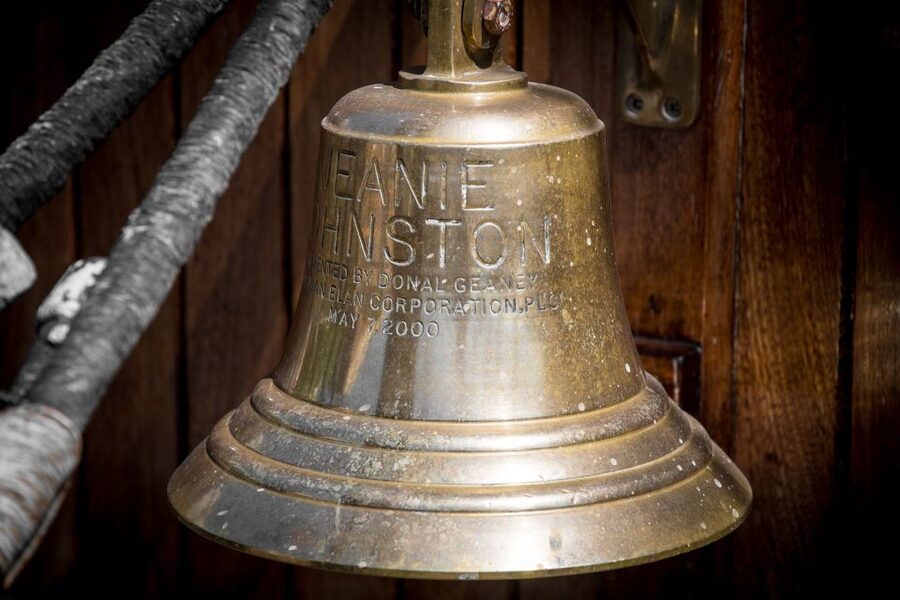
Book it if you want a short, well-guided visit that connects Irish famine history with a real ship layout. The personal stories and cramped lower deck give the subject weight, while the upper deck and Docklands setting keep the experience visually engaging.
Skip it if stairs, tight spaces, or difficult historical material will make the visit uncomfortable. For everyone else, $16 buys a focused and memorable hour, with guides such as Steve, Claire, Owen, and Katrina adding clarity and warmth to a story that Dublin visitors should not overlook.
FAQ
Where does the Jeanie Johnston tour start?
The tour starts at the Jeanie Johnston Tallship, City Moorings, Custom House Quay, Dublin 1.
Where does the tour end?
The activity ends back at the meeting point at the Jeanie Johnston Tallship.
How long does the tour last?
The guided tour lasts 50 minutes.
What language is the tour in?
The live tour guide provides the experience in English.
What is included in the price?
The price includes entrance and access to the guided tour of the Jeanie Johnston Tallship.
Is hotel pickup included?
No. Hotel pickup and drop-off are not included.
How much does the tour cost?
The listed price is $16 per person.
What should I bring?
Comfortable shoes are recommended.
Is the tour suitable for wheelchair users?
No. The tour is not suitable for wheelchair users or people with limited mobility.
Can I cancel the booking?
Yes. You can cancel up to 24 hours in advance for a full refund. You can also reserve now and pay later.
Just added around Dublin
- Gin School, distill you own gin, cocktails, tastings, food★ 5.0 · 8 reviews
- Dublin : Street Art Walking Tour★ 5.0 · 3 reviews
- Dublin: Personal Photographer- Travel Photography Experience★ 4.5 · 8 reviews
- Dublin: Skip-the-line Book of Kells & Old Town Private Tour★ 5.0 · 6 reviews
- Dublin: Howth Coastal Craft Beer and Seafood Tour★ 5.0 · 62 reviews
- Vikings In Dublin (Walking Tour)★ 5.0 · 8 reviews
- Dublin: Silent Disco Walking Tour★ 4.9 · 21 reviews
- Dublin: Private Tour of City Monuments in Spanish★ 5.0 · 6 reviews
Historical Tours, compared.

Dublin Historical Centre Food Tour with 8 Food Tastings & Drinks
Read our review →

Dublin to Cork, Blarney Castle & Cóbh Heritage Centre by train
Read our review →
Deliciously Dublin: The Artisan Donut Walking & History Tour
Read our review →

Historic Cork Delicious Donut Adventure by Underground Donut Tour
Read our review →Browse the lists this tour appears in