Reviewed · TOURS IN DUBLIN
Women Of Ireland: Trailblazers & Pioneers
Dublin’s famous story is often told through men such as Wilde, Joyce, Yeats, and Bono. This walk shifts the focus to women who fought, wrote, organized, worked, and sometimes paid a high price for changing Ireland. Countess Markievicz, Hannah Sheehy-Skeffington, and Anne Devlin give the tour a strong political thread, while Veronica Guerin brings the story into modern times.
I like the small group, capped at 14 people, and the route from St Stephen’s Green to Dublin Castle, which lets you see central Dublin while following a clear theme. I also like the price, $17.35 for about 90 minutes. The main drawback is that you look at, rather than enter, several important buildings, including the Royal College of Surgeons and Dublin Castle.
Key points to know before you book
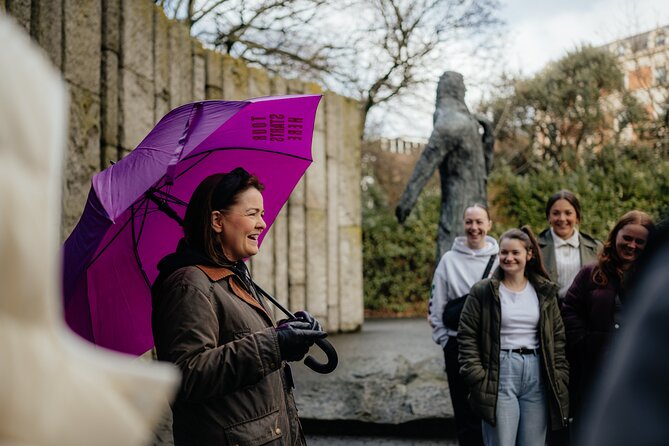
- Six Dublin stops in 90 minutes: The walk links St Stephen’s Green, Mercer Street Upper, Ship Street Great, Dubh Linn Gardens, and Dublin Castle.
- A women-centered view of Irish history: The stories cover independence, the 1916 rising, religious life, suffrage, crime reporting, and modern Ireland.
- Small groups capped at 14: You get a better chance to hear the guide and ask questions than on a large city walk.
- Guides bring different strengths: Tara is praised for adjusting to the group’s level, while Ciarán is known for lively stories, humor, and strong Dublin knowledge.
- Easy central meeting point: The tour begins at 11 a.m. beside the Wolfe Tone Sculpture in St Stephen’s Green and ends in the gardens of Dublin Castle.
- Good value, with no entry fees or meal included: Your payment covers the guide and walk, but not transportation, lunch, or admission to buildings.
Why this women’s history walk adds something new to Dublin
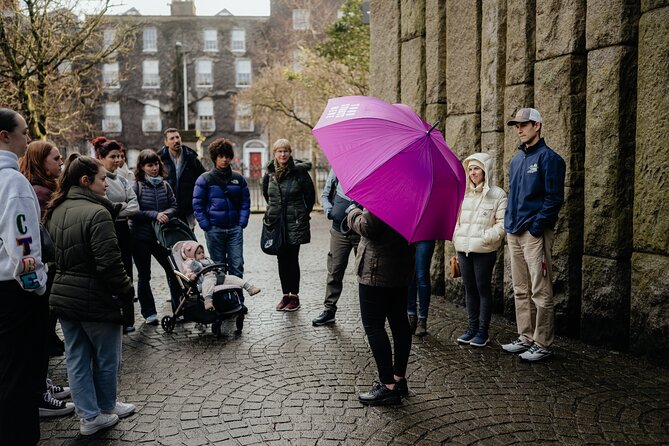
I like themed walks when the theme changes how you see familiar streets. This one does that by showing that women were not simply supporting characters in Irish history. They took part in political rebellion, campaigned for the vote, challenged institutions, wrote, worked, and shaped public life.
The route also avoids the feel of a classroom lecture. You move through central Dublin while the guide connects streets and buildings to individual lives. That makes the stories easier to place. You are not just hearing a name and a date, then forgetting it five minutes later. You are standing near the places linked to the person being discussed.
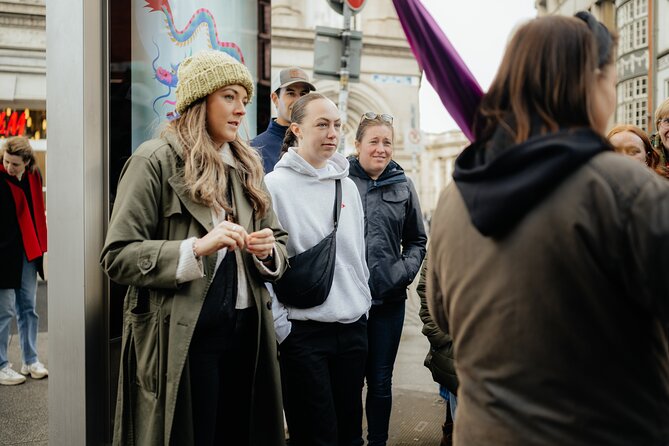
The tour is led by a guide from Unearthed Tours, and the named guides in the feedback are Tara and Ciarán. Tara is described as good at matching the amount of detail to the group’s existing knowledge. Ciarán is praised for enthusiasm, storytelling, humor, and small Dublin anecdotes.
That matters because this subject could become heavy. The strongest guide will keep the pace light without making the women’s experiences feel trivial. You should expect a conversational walk rather than a formal academic seminar.
Other days out people book from Dublin:
- Dublin to Cliffs of Moher, including Wild Atlantic Way and Galway
★ 5.0 · 23,331 reviews - From Dublin: Cliffs of Moher, Burren & Galway City Day Tour
★ 4.8 · 18,888 reviews - Dublin: Guinness Storehouse Entry Ticket
★ 4.6 · 16,863 reviews
Starting with Countess Markievicz at St Stephen’s Green
The meeting point is the Wolfe Tone Sculpture in St Stephen’s Green, with an 11 a.m. start. This is a useful place to begin because the park gives the group room to gather before setting off, and it places you right beside one of Dublin’s best-known public spaces.
The first stop is the bust of Countess Markievicz. The guide introduces her role in the fight for Irish independence, giving you an early sense of the tour’s main concern: women were directly involved in the political struggle, not merely watching it from the sidelines.
This opening also gives the walk a clear anchor. Markievicz is a recognizable figure, and her story helps prepare you for the less familiar names ahead. The stop lasts about 15 minutes and has no admission charge.
You should arrive ready to walk and listen outdoors. The supplied details do not promise seating, so comfortable shoes and clothing suited to Dublin weather are sensible choices.
The Royal College of Surgeons and women in the rising
The next stop is outside the Royal College of Surgeons. The guide discusses the women who held the building during the rising, including Margaret Skinneder.
This is an especially useful stop because it links women’s political action with a specific Dublin institution. Rather than treating the rising as a broad event made up only of speeches and famous male leaders, the story points you toward the practical reality of occupying and defending a building.
The tour does not enter the Royal College of Surgeons. That is worth knowing if you hoped to see the interior. Still, the outside stop fits the walk’s purpose: the city itself becomes the setting, and you learn how particular places were caught up in Ireland’s political struggles.
The stop lasts about 15 minutes. Since there is no entry ticket included, you do not need to budget for admission here.
Mercer Street Upper and Margaret Anne Cusack
At Mercer Street Upper, the guide turns to Margaret Anne Cusack, known as the Nun of Kenmare. Her story adds a different layer to the tour because the focus moves from armed political action to religious life and public influence.
The change of subject helps keep the walk from becoming a single-story account of rebellion. You hear about women whose work and beliefs shaped Irish society in other ways. The title Nun of Kenmare also gives the guide a memorable doorway into the person behind the name.
This stop is free and lasts around 15 minutes. It is one of the places where the guide’s storytelling ability matters most. A short stop can only offer a portion of Cusack’s life, so you will get the most from it if you listen for the larger questions: how women found authority, how they worked within or against institutions, and how their contributions were later overlooked.
Same base, a very different sort of day:
- Dublin to Cliffs of Moher, Burren, Wild Atlantic Way, Galway Tour
★ 5.0 · 12,924 reviews - Dublin to Belfast Black Cab, Dunluce Castle and Giant’s Causeway
★ 5.0 · 7,954 reviews - Kilkenny, Wicklow Mountains & Glendalough Day Tour from Dublin
★ 5.0 · 7,897 reviews - From Dublin: Wicklow Mountains, Glendalough & Kilkenny Tour
★ 4.8 · 6,235 reviews
Ship Street Great and the suffragette movement
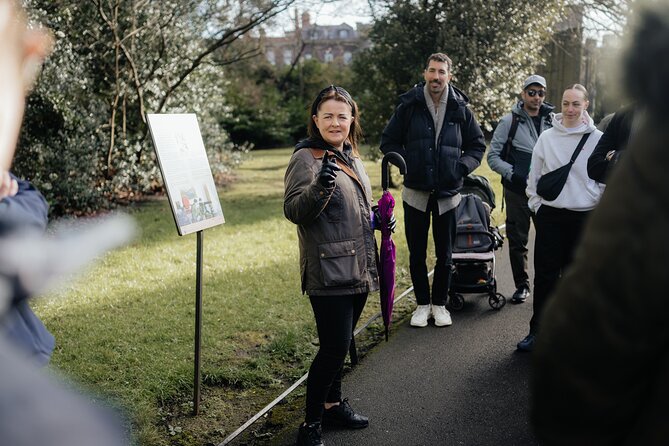
Ship Street Great brings the tour to the suffragette movement and Hannah Sheehy-Skeffington. This section widens the political story beyond independence. It reminds you that Irish women were also campaigning for political rights and pushing against limits placed on their public role.
I find this part useful because it puts different forms of activism side by side. Independence, voting rights, and social change were not separate ideas in the lives of many campaigners. The guide can show how women organized and argued for a voice in public life, even when the official story gave them less attention.
The stop takes roughly 15 minutes and is free. As with the earlier locations, the appeal is not a museum entry or a long visit inside a landmark. It is the connection between a Dublin street and a movement that changed how women could participate in politics.
Dubh Linn Gardens and the story of Veronica Guerin
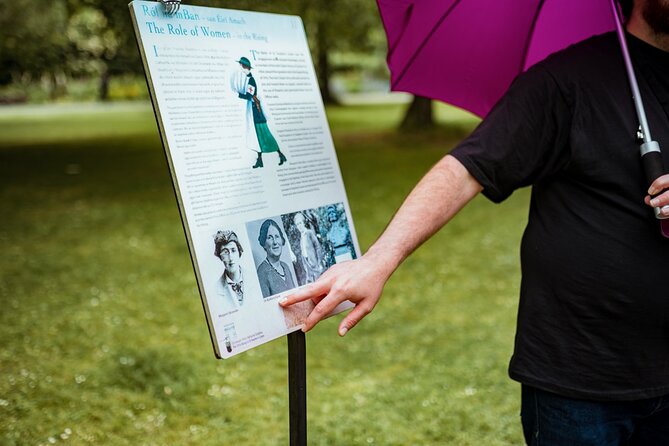
The walk enters Dubh Linn Gardens for its discussion of Veronica Guerin. This is the one stop specifically described as entering a garden, and it brings the story into modern Ireland.
Guerin’s inclusion gives the tour a sharper, more recent edge. Her life connects journalism, crime, public attention, and the risks faced by someone investigating dangerous subjects. It also prevents the walk from ending as a simple tour of nineteenth and early twentieth-century figures.
The garden setting offers a change of pace after the city streets. The stop lasts about 15 minutes and has no admission charge. You should not expect a long garden visit, though. The gardens are used as part of the walking route and as the setting for the guide’s account of Guerin’s life.
This is also a good example of why the tour works best as a history walk rather than a sightseeing tour. You are not stopping at a major attraction because it is famous. You are using a Dublin place to frame a story that many people may not know well.
Finishing at Dublin Castle with Anne Devlin
The final section takes place at Dublin Castle, with the tour ending in the castle gardens. The guide discusses Anne Devlin and then connects her story to modern Ireland.
Anne Devlin gives the walk another powerful independence-era figure, while the final comments about modern Ireland help tie the earlier subjects together. By this point, you have heard about political rebellion, social reform, suffrage, religious work, journalism, and crime. The closing discussion can help you think about how much has changed, and how much of women’s history still needs stronger attention.
The tour does not enter Dublin Castle. You finish in the gardens, so plan your next activity from that location rather than returning to St Stephen’s Green. The end point is practical for continuing around central Dublin, but the details provided do not include a return transfer.
The stop lasts about 15 minutes and has no included admission. If you specifically want an interior visit to Dublin Castle, you will need to arrange that separately.
The route, pace, and group size
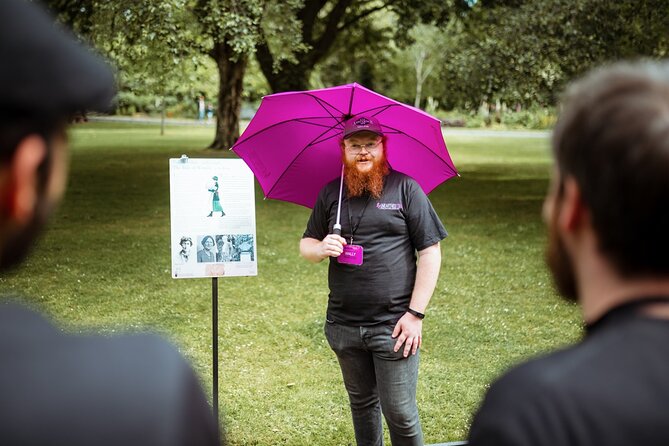
Six stops of about 15 minutes each account for the advertised 90-minute duration. The route is compact enough to keep the subject moving, but it still covers several distinct people and periods.
That pace is a strength and a limitation. You get a focused introduction without giving up half a day. If you have only a short time in Dublin, this walk can add context to places you might otherwise pass without noticing.
At the same time, no 90-minute tour can tell every story in full. You should think of this as a well-chosen introduction to overlooked women in Irish history, not a complete account of the subject. If you already know a great deal about Irish women’s political and social history, you may want more depth.
The group limit of 14 is a real advantage. A small group makes it easier to hear the guide outdoors and leaves room for questions. It also suits the storytelling style described by the feedback, particularly Tara’s ability to adapt to different levels of background knowledge.
The experience is listed as eco-friendly and does not include private transportation. That is fitting for a central walking route. Most people can participate, service animals are allowed, and the route is near public transportation.
What the $17.35 price really gives you
At $17.35 per person, this is an inexpensive way to add a focused layer of history to a Dublin visit. You are paying for a guide, a planned route, and the chance to connect several women’s stories with central locations.
You are not paying for meals, private transportation, or entry to the Royal College of Surgeons or Dublin Castle. That keeps the cost low, but it also means you should see the price as payment for interpretation rather than a package of attractions.
For me, the value is strongest if you enjoy walking tours and want more than the usual list of famous Irish men. The guide’s storytelling is central to the experience. Ciarán is described as especially entertaining, with humor and anecdotes that keep the history moving. Tara is praised for making the amount of information work for people with different backgrounds.
The tour is booked, on average, 24 days ahead. That does not mean you must reserve exactly that far ahead, but it is a useful warning for a small-group activity with limited places. You can cancel for a full refund up to 24 hours before the start time. If the minimum group size is not reached and the operator cancels, you are offered another date or experience, or a full refund.
Who will get the most from this Dublin tour?
I would choose this walk if you want:
- A short introduction to women’s roles in Irish history
- A central Dublin route that combines sightseeing with storytelling
- A small group rather than a large organized crowd
- Stories about both famous and less familiar figures
- A guide-led experience at a low price
- A tour that works well early in a Dublin stay, when you are still getting your bearings
It is also a good fit if you like history presented through people and places. You will hear names such as Countess Markievicz and Hannah Sheehy-Skeffington, but you will also encounter Margaret Anne Cusack, Veronica Guerin, Anne Devlin, and Margaret Skinneder.
I would think twice if you want to spend time inside Dublin’s major buildings. This experience does not enter the Royal College of Surgeons or Dublin Castle. I would also choose a longer or more specialized walk if you want detailed political history, archival material, or extensive time at each location.
Should you book Women Of Ireland: Trailblazers & Pioneers?
Book it if you want a short, affordable, small-group walk that puts women at the center of Dublin’s story. The route is easy to understand, the price is modest, and the named guides bring either flexible teaching or lively storytelling to the experience.
Skip it if you mainly want building interiors or a broad overview of every major Dublin sight. For everyone else, this is a smart way to spend 90 minutes, especially near the start of a Dublin visit. You will leave with several new names to remember and a better sense that Ireland’s past was shaped by far more than the men whose names appear first in guidebooks.
FAQ
Where does the tour begin?
The tour begins at the Wolfe Tone Sculpture in St Stephen’s Green, Dublin.
What time does the tour start?
The stated start time is 11 a.m.
Where does the tour end?
The tour ends in the gardens of Dublin Castle on Dame Street, Dublin 2.
How long does the experience last?
The walking tour lasts approximately 1 hour and 30 minutes.
How large is the group?
The group has a maximum of 14 people.
Does the tour enter the Royal College of Surgeons or Dublin Castle?
No. The tour discusses both locations from outside and does not enter either building. It does enter Dubh Linn Gardens.
What is included in the price?
A tour guide and the small-group, eco-friendly walking experience are included. Private transportation and lunch are not included.
Just added around Dublin
- Wicklow Mountains Private Day Tour including Glendalough★ 5.0 · 7 reviews
- Wicklow: Private Day Tour from Dublin★ 5.0 · 5 reviews
- Wicklow Mountains & Glendalough Luxury Private Day Tour★ 5.0 · 23 reviews
- Wicklow tour of Glendalough★ 4.5 · 8 reviews
- Premium Irish Whiskey Tasting Hosted by Local Dublin Expert★ 5.0 · 77 reviews
- Whiskey Tasting Tour of Dublin★ 5.0 · 117 reviews
- Semi-Private (8people max) 2.5 Hr Dublin Walking Tour★ 5.0 · 69 reviews
- Waterford Crystal and Kilkenny Full-Day Rail Tour from Dublin★ 5.0 · 3 reviews
Tours in Dublin, compared.
Dublin to Cliffs of Moher, including Wild Atlantic Way and Galway
Read our review →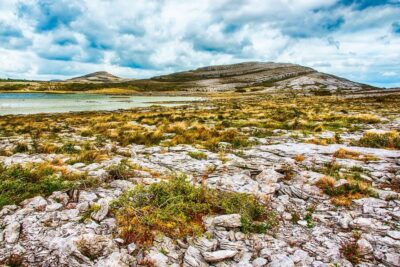
Cliffs of Moher, Burren & Galway City Day Tour
Read our review →

Dublin to Cliffs of Moher, Burren, Wild Atlantic Way, Galway Tour
Read our review →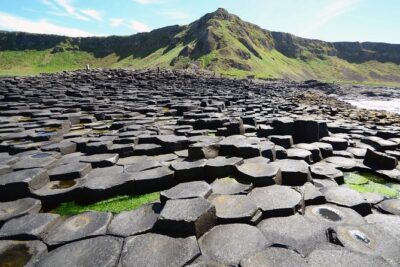
Dublin to Belfast Black Cab, Dunluce Castle and Giant’s Causeway
Read our review →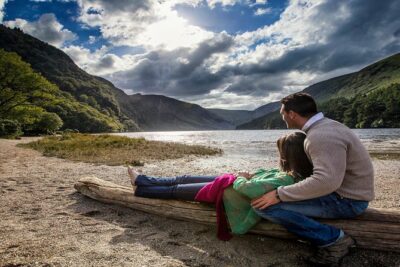
Kilkenny, Wicklow Mountains & Glendalough Day Tour from Dublin
Read our review →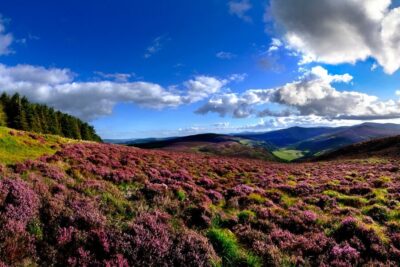
Wicklow Mountains, Glendalough & Kilkenny Tour
Read our review →