
Reviewed · HISTORICAL TOURS
Cork Chat and History Walking Tour
Cork’s story comes alive in the middle of the city, where a shopping street recalls the Burning of Cork, a food market still tempts curious eaters, and a remnant of the medieval wall hides in a small park. Local guide Neasa brings the stops together with personality, detail, and a clear affection for Cork.
I like the private format, which lets your group set the pace and ask about the details that catch your eye. I also like the mix of major sights and smaller discoveries, from the Rory Gallagher tribute to old clothing and book shops. The main consideration is timing: two hours goes quickly, and some stops receive only five or ten minutes.
Key details to know before you book
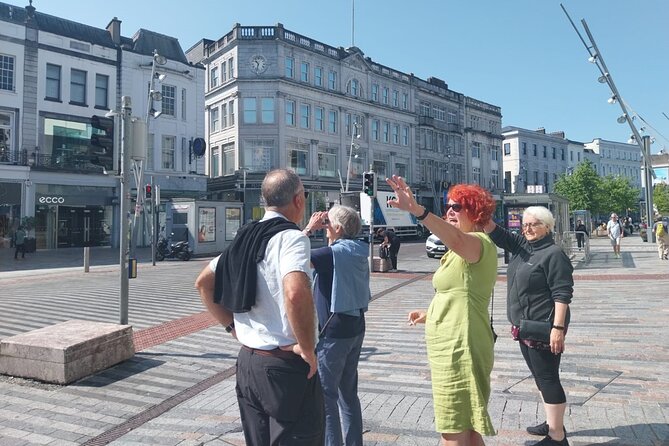
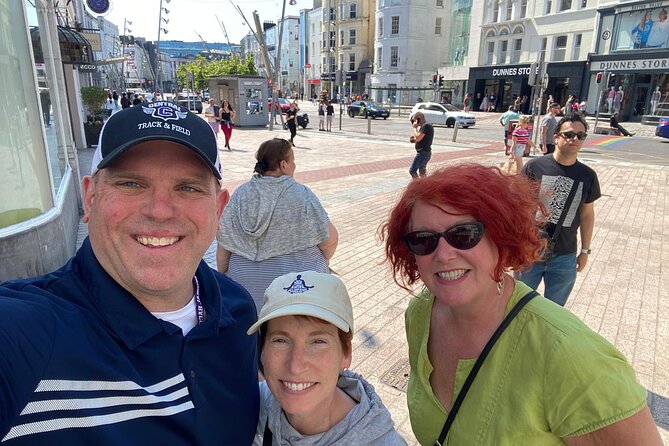
- Cork’s 1920 fire is part of the central story: St Patrick Street, known locally as Pana, provides the setting for this important episode.
- The English Market dates from 1788: You will see Cork’s best-known food market, though it may be closed on Sundays.
- A private group keeps the walk personal: The $276.93 price covers up to six people, making the cost about $46.16 per person if you fill the group.
- The route includes more than headline sights: Look for a Rory Gallagher tribute, second-hand shops, the cathedral angel, and medieval wall remains.
- The walk starts and ends beside the Opera House: Meeting at the Crawford Art Gallery makes this easy to fit into a day in central Cork.
- Weather matters: You can cancel for a full refund up to 24 hours before the start, but poor weather may also lead to a new date or refund.
Why this Cork walk feels different
Many city walks move from one grand building to the next. This one uses ordinary streets, markets, shops, and bits of old masonry to explain how Cork works. You get the broad story, but you also get the small clues that are easy to miss when you explore alone.
The route is led by Neasa, a local guide who combines history with personal enthusiasm for Cork. That matters here. Several stops are not formal attractions with long explanatory panels, so the quality of the experience depends on how well the guide connects the street in front of you with the events that shaped it.
You should expect conversation as well as commentary. The private setup means you are not sharing the walk with a large group, and you can ask about food, music, architecture, shopping, or the city’s past as the route unfolds.
The tour takes about two hours, including walking time. The listed stop times are short, but the walk between them gives Neasa room to explain the city and point out details along the way. Wear comfortable shoes, since this is a city walk rather than a series of drives or indoor visits.
More Walking Tours in Cork
- Cork: Guided Historical Walking Tour
★ 4.7 · 310 reviews - The Titanic Trail: 1-Hour Guided Walking Tour of Cobh
★ 4.8 · 78 reviews - Cork Instagram Photography Walking Tour
★ 5.0 · 54 reviews
Meeting beside the Crawford Art Gallery
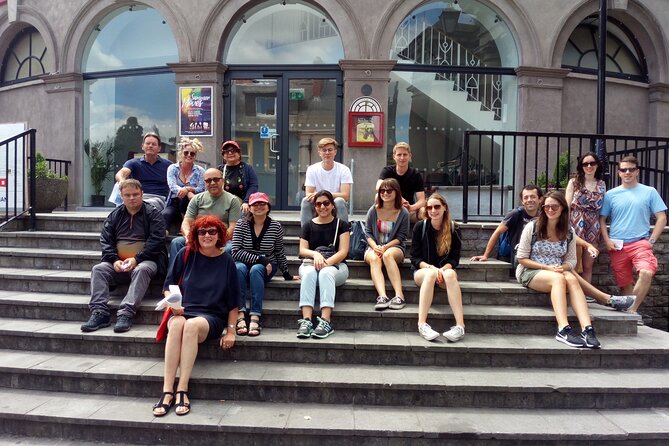
The meeting point is the Crawford Art Gallery at 1 Emmett Place, beside the Opera House. The tour returns to the same spot, a useful arrangement if you want to continue sightseeing, collect a bag, or make your way to another central attraction afterward.
The location is near public transportation, and the tour is offered in English. Service animals are allowed, and most people can take part. Since weather can affect the experience, keep an eye on the forecast and remember that the cancellation deadline is based on local Cork time.
The fixed start and finish simplify planning. You do not need to arrange a taxi to a distant neighborhood, and you can place the walk between other activities in central Cork. The tour is also a practical first-day choice because it helps you get your bearings without requiring a full-day commitment.
St Patrick Street and the Burning of Cork
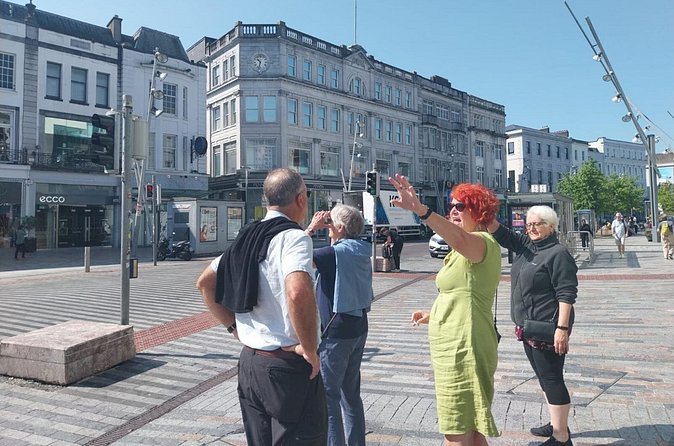
The walk begins on St Patrick Street, or Pana as locals call it. Today it is Cork’s main shopping boulevard, but the guide uses it to tell the story of the Burning of Cork in 1920.
This is a smart opening stop because it shows how a familiar commercial street can carry difficult memories. You are not simply looking at shops. You are hearing how political conflict affected Cork and how the city’s central streets became part of that story.
The stop lasts about ten minutes and has no admission charge. You should not expect a museum-style display or a long indoor visit here. The value comes from Neasa’s explanation and from seeing the setting with the story fresh in your mind.
If you like history tied to actual streets, this will likely be one of the strongest parts of the walk. It gives the rest of the route a useful frame: Cork is not only a pretty place to shop and eat, but also a city shaped by upheaval, trade, faith, music, and changing neighborhoods.
The English Market, from 1788 to today
The English Market is the most obvious food stop on the route, and with good reason. Dating from 1788, it is described as Ireland’s oldest food market and remains one of Cork’s best-loved places to shop.
Inside, you can expect a wide range of food traditions and everyday market goods. Cheeses and olives sit alongside less familiar items such as tripe and drisheen. Even if you are not planning to buy anything, the market gives you a quick look at Cork’s food culture and at the way the city has kept an old trading space in active use.
The scheduled stop is about ten minutes. That is enough for an introduction, but not enough for a leisurely meal or an extended shopping trip. If you want to browse every counter, plan to return on your own after the tour.
There is one practical catch: the English Market may be closed on Sundays. Neasa can still explain the location and bring its story to life, but you will not have the same chance to look around inside. If the market is a priority, check your tour day before booking.
I like this stop because it gives the walk a sensory change after the street history. The route is not all dates and architectural terms. It also asks what people in Cork eat, buy, and carry home.
More walking routes in Cork:
- Meet and Eat Dublin: Cork Food Walking Tour
★ 5.0 · 25 reviews - Cork Private Walking Tour With A Professional Guide
★ 5.0 · 18 reviews - Best of Cork: Private Walking Tour with a Local
★ 3.3 · 6 reviews - Cork Private Walking Tour
★ 5.0 · 3 reviews
The cathedral and its trumpet-playing angel
The cathedral stop adds a touch of Gothic drama. The building was designed by architect William Burges, and its style is compared with Notre Dame. The most memorable detail is the famous angel said to play her trumpet on the Last Day, warning Corkonians to get into heaven.
That story gives the stop just the right amount of local humor and legend. You get architectural context, but you also get a tale that people remember after the technical details fade.
The supplied tour information does not specify an admission arrangement or a guaranteed interior visit, so you should treat this as a guided cathedral stop rather than assume a full cathedral tour. The guide can point out the building and explain its details within the time available.
This is a good example of the walk’s balance. Cork’s past is presented through serious events, religious architecture, local folklore, and a little wit. You do not need a special interest in churches to appreciate the unusual angel story.
Coal Quay and Cork’s old commercial life
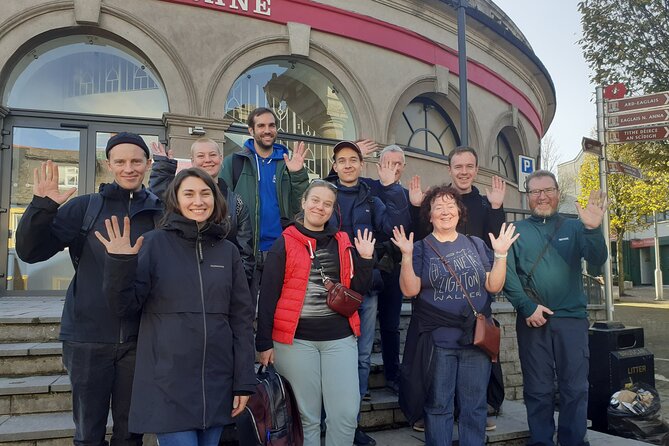
The Coal Quay area brings you to the old Corn Market and Coal Quay of Cork. The Corn Market dates from the 1720s and is one of the city’s oldest buildings.
The stop also includes Cork’s city crest, first used in 1458 and still in everyday use. Details like this reward close attention. Once Neasa points out the crest, you may begin noticing how older symbols continue to appear in modern Cork.
Only about five minutes are assigned here, so this is a quick explanation rather than a long visit. That is not necessarily a weakness. The route covers a lot of ground, and short stops keep the walk moving. Still, if old market buildings are your main interest, you may want to return later with more time.
The Coal Quay stop helps explain Cork as a trading city. The story is not limited to famous buildings or national events. Markets, food, commercial streets, and civic symbols all show how the city grew.
Rory Gallagher, music, and second-hand shops
A tribute to Rory Gallagher adds a welcome musical note. Gallagher is remembered as one of the great guitarists, and Jimi Hendrix called him the greatest guitarist in the world. The tribute gives music fans a reason to pay attention, but even people who do not know his work can appreciate the local connection.
This is one of the route’s more personal touches. A standard city walk might focus only on architecture and political history. Here, Cork’s cultural identity includes a musician whose reputation reached far beyond Ireland.
The walk also passes vintage and second-hand shops, with clothing, books, and an assortment of unusual finds. The information provided does not promise time to shop, so think of this as a guided look at a part of Cork’s retail character rather than a dedicated shopping excursion.
I like the contrast. After old markets and a cathedral, the route shifts toward music and independent-looking shops. It reminds you that Cork’s identity is not trapped in the past. The city’s character also appears in what people wear, read, collect, and play.
Bishop Lucey Park and the medieval wall
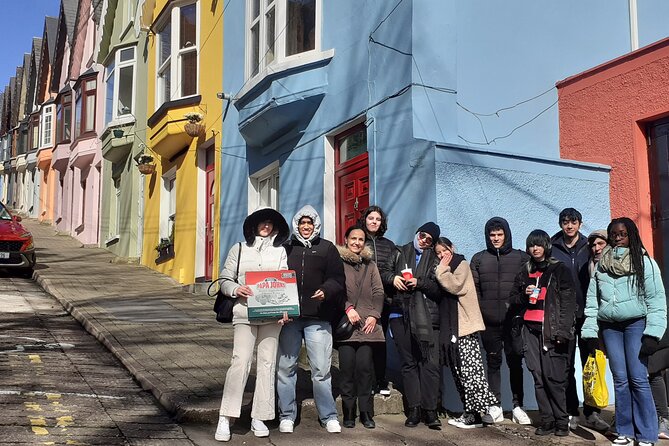
Bishop Lucey Park is the final listed stop. When Cork was first built, it was fully walled, and the park contains remnants of the old city wall dating from the 12th century.
This is a small site with a large payoff. You do not need a complete section of wall to understand that medieval Cork was a defended settlement. A few surviving stones can show how compact and protected the early city once was.
The stop lasts about five minutes and is free. As with Coal Quay, the short visit works best if you enjoy context more than formal sightseeing. Neasa’s explanation supplies the meaning that the remaining masonry alone might not provide.
Ending here also gives the walk a sense of time. You begin with a major event from 1920 and finish with evidence of Cork’s medieval beginnings. Between those points, the route touches food, religion, trade, music, and shopping.
What the private price really buys you
The total cost is $276.93 per group of up to six. For six people, that works out to about $46.16 each. For two people, the per-person cost rises to about $138.47, so the value depends heavily on group size.
You are paying for a private English-language walk, not admission to a collection of ticketed attractions. The included sights have no admission charge listed, and the main benefit is the guide’s time, local interpretation, and ability to shape the experience around your group.
For a family or group of friends, the price can make good sense. You receive a private tour without having to share questions or pace with strangers. A couple should compare the cost with a small-group walk or a self-guided route, especially if budget is a concern.
The two-hour length also affects the value. This is an introduction to Cork, not an all-day history program. You are paying for a focused orientation that can help you decide what deserves a longer visit later.
Who will get the most from this walk
I would choose this tour if you want Cork explained by someone who cares about the city and you prefer conversation to a recorded audio guide. It suits first-time visitors who want a quick central overview, families who need a manageable time commitment, and anyone who likes local stories mixed with the main sights.
It is also a good match for people who enjoy details that do not always appear in guidebooks: Pana as the local name for St Patrick Street, the city crest, the cathedral angel, Rory Gallagher, and the traces of the old wall.
You may want another option if your main goal is extensive time inside the English Market, a full cathedral visit, or a long shopping session. The route touches each subject, but it does not linger for very long at any single stop.
The high praise for Neasa centers on two qualities: her personality and her ability to notice small details. That is important here because some of the best material is easy to walk past. A guide who can make a closed Sunday market or a small wall remnant meaningful adds real value.
Should you book the Cork Chat and History Walking Tour?
Book it if you want a private, personal introduction to central Cork and you have up to six people to share the cost. The strongest reasons are Neasa’s local storytelling, the mix of major sights and overlooked details, and the route’s clear sense of Cork as a living city rather than a collection of monuments.
Think twice if you need a low-cost option for one or two people, or if you want long visits inside attractions. Check the day of the week if the English Market matters to you, and leave room in your schedule to revisit the places that catch your interest.
For a compact two-hour walk, it covers a useful amount of ground without losing its local flavor. It is best viewed as a lively orientation to Cork, with enough history and personality to help you explore the city on your own afterward.
FAQ
How long does the Cork Chat and History Walking Tour last?
The tour lasts approximately two hours, and walking time is included in that duration.
Where does the tour begin and end?
It begins and ends at the Crawford Art Gallery, 1 Emmett Place, Cork, beside the Opera House.
Is this a private tour?
Yes. It is a private activity for your group only, with up to six people included in the group price.
What language is the tour offered in?
The tour is offered in English.
Is the English Market open during every tour?
No. The English Market may be closed on Sundays. The guide can still explain its importance and history when it is not open.
What is the cancellation policy?
You can cancel at least 24 hours before the local start time for a full refund. Cancellations or changes made within 24 hours are not accepted for a refund. If poor weather causes the tour to be canceled, you will be offered another date or a full refund.
More history tours in Cork
- Historic Cork Delicious Donut Adventure by Underground Donut Tour
★ 5.0 · 232 reviews - Dublin Historical Centre Food Tour with 8 Food Tastings & Drinks
★ 5.0 · 1,718 reviews - 2-Hour Historical Walking Tour from Dublin
★ 5.0 · 875 reviews - Historical 2-Hour Guided Walking Tour of Dublin
★ 4.7 · 865 reviews
Just added around Cork
- Wild Coast Bike and EBike Tour in Kinsale Cork Ireland★ 5.0 · 12 reviews
- Clonakilty Distillery Tour & Classic Whiskey Tasting★ 5.0 · 110 reviews
- Fota House, Arboretum & Gardens Admission Ticket★ 5.0 · 67 reviews
- Full-Day Private Whispers of Kerry Emerald Dreams Tour from Cork★ 5.0 · 6 reviews
- Toe Head Clifftop Hike in West Cork★ 5.0 · 48 reviews
- Blarney,Cork City,Kinsale,Ultimate Private Guided Minibus Tour.★ 5.0 · 6 reviews
- Kinsale and West Cork Classic Private Tour in modern a/c minibus★ 5.0 · 4 reviews
- Private Tour: Classic Cork Tour visiting Blarney Castle & Kinsale★ 5.0 · 8 reviews
Historical Tours, compared.
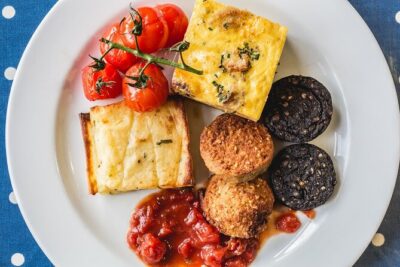
Dublin Historical Centre Food Tour with 8 Food Tastings & Drinks
Read our review →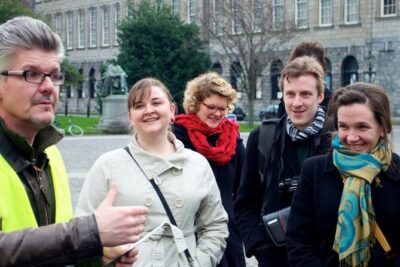
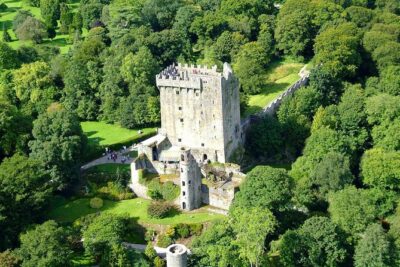
Dublin to Cork, Blarney Castle & Cóbh Heritage Centre by train
Read our review →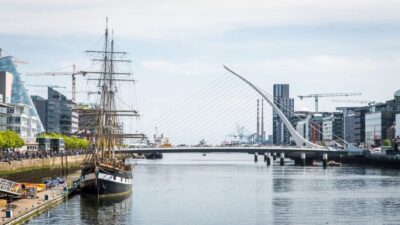
Jeanie Johnston Tall Ship Irish Famine History Tour
Read our review →
Deliciously Dublin: The Artisan Donut Walking & History Tour
Read our review →
Browse the lists this tour appears in