
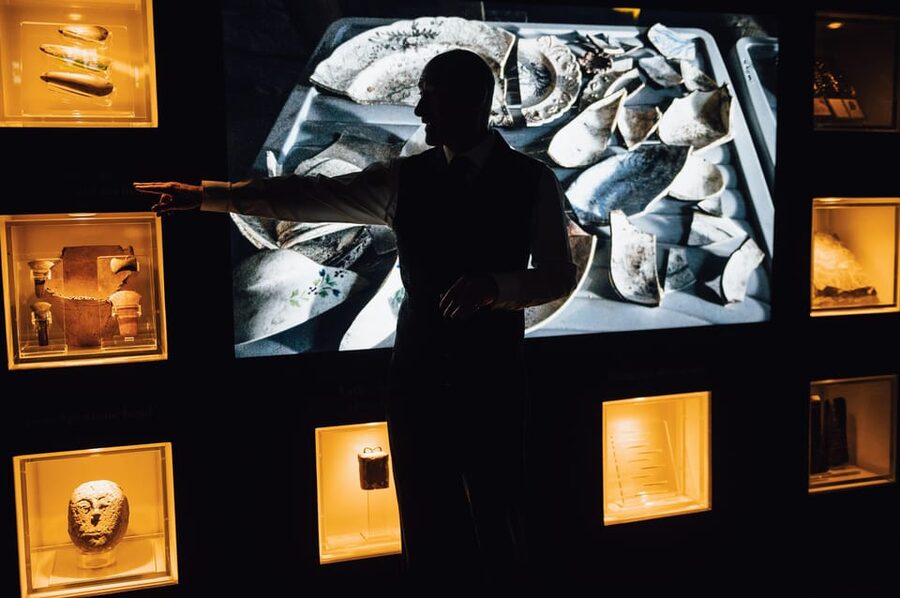
Reviewed · MUSEUMS
Waterford: The Irish Wake Museum Guided Tour
The most unusual stop in Waterford’s Viking Triangle is also one of its most thought-provoking. The Irish Wake Museum occupies a beautifully preserved 15th-century almshouse, where a guided tour connects everyday Irish life with the customs that surrounded death.
I like the focus on real tradition rather than a collection of old objects. I also like the compact format: a 40-minute guided visit fits neatly into a day of sightseeing. The subject is serious, though, and realistic depictions of the recently deceased, along with references to illness and injury, will not suit everyone.
Key points
- A 15th-century setting: The museum is housed in a former almshouse tied to Waterford’s story across six centuries.
- Ireland’s oldest death mask: This unusual object gives the visit a memorable, tangible link to past funeral customs.
- A reenactor-led tour: An English-speaking guide brings the story to life rather than leaving you to read labels alone.
- A close look at the Irish wake: You’ll trace customs and superstitions from early Christian times through the 20th century.
- A short, focused visit: Allow 40 minutes to one hour, with no transport needed because the tour begins and ends at the museum.
- A serious subject: The experience includes death, illness, injury, and realistic representations of the recently deceased.
Inside Waterford’s Former Almshouse
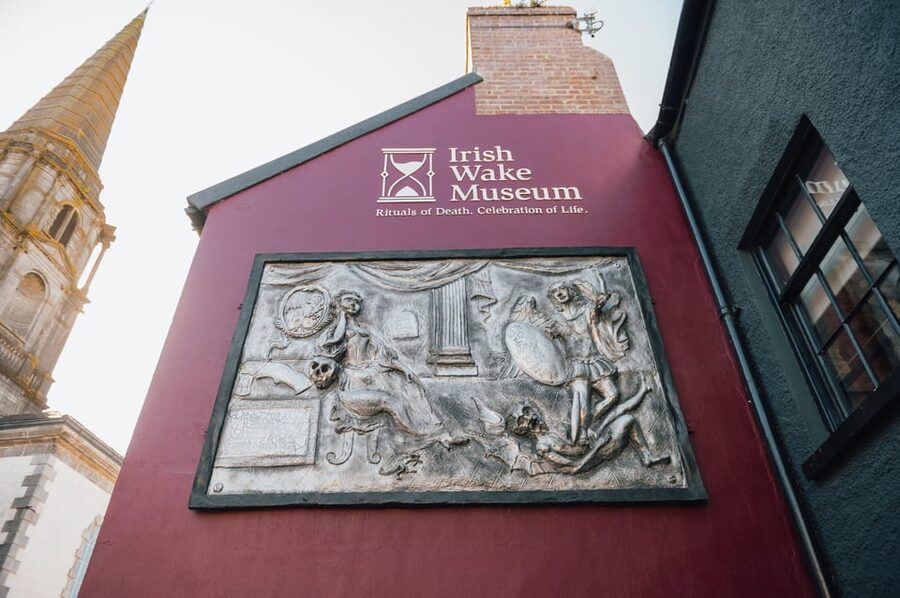
The building does much of the storytelling before the guide says a word. This is not a modern exhibition hall with bright displays and wide, open galleries. It is a historic almshouse, a place connected with care, hardship, life, and death in Waterford for roughly six centuries.
That setting matters. Funeral customs can seem abstract when you encounter them in a textbook. Here, the old building gives the subject a physical sense of place. You are standing inside a structure that was part of the community’s social and religious life, not simply looking at a display assembled elsewhere.
The museum sits in the heart of the Viking Triangle, making it easy to pair with other Waterford sights. You do not need to arrange a separate transfer, and the activity returns to the same meeting point. That makes it a useful short stop during a walking day in the city.
I would arrive with enough time to find the museum and settle in. The tour itself is brief, but the atmosphere is deliberately intimate. You will get more from it if you are ready to listen rather than rushing through for a quick photograph.
A few more things to do around Waterford worth a look
- Waterford Treasures: Medieval Museum Admission Ticket
★ 4.5 · 132 reviews - Irish Wake Museum Tour Rituals of Death and Celebration of Life
★ 5.0 · 115 reviews - Waterford Treasures: Medieval Museum Entry Ticket
★ 4.5 · 20 reviews
How the 40-Minute Tour Unfolds
Your visit begins and ends at the Irish Wake Museum. There is no long route through the city and no transportation included. Instead, the guide leads you through the museum’s rooms and interprets the objects, customs, and stories tied to the Irish wake.
The format is important. This is a guided experience led by a reenactor, not a self-guided museum visit. The guide gives the material a human voice and helps explain why certain actions became part of a wake. Clare is one guide associated with the tour, and her work has received specific praise for bringing warmth and clarity to the visit.
You can expect the tour to cover the broad development of funeral practice from early Christian times through the 20th century. That long span gives you a useful frame. Instead of treating the Irish wake as one fixed ritual, the visit shows it as a tradition shaped over time by faith, family, local belief, and practical realities.
The official duration is 40 minutes, though the full visit may take up to an hour depending on the starting time and pace. That is long enough to give the subject proper attention without taking over your day. It is also short enough to suit people building a Waterford itinerary around several museums.
The tour finishes back at the museum. You will not be left at another site or expected to find your own way across town.
Understanding the Irish Wake
The Irish wake is more than a funeral custom. It reflects how communities handled grief, family responsibility, belief, and the practical care of the dead. The museum uses this tradition to show a side of Irish culture that is often reduced to a few familiar images.
At a wake, the dead person was not treated as a subject to be hidden away immediately. Family and community played an active role. Customs grew around viewing the body, gathering together, keeping watch, and marking the transition from life to death.
The tour also looks at superstitions connected with death. These beliefs can tell you a great deal about how people tried to make sense of illness, loss, and uncertainty. Some customs had religious roots, while others came from older folk beliefs or local practice.
I appreciate that the museum links funeral traditions to ordinary life. The Irish wake was not separate from the community. It involved neighbors, relatives, religious ideas, and the rhythms of a town. That makes the visit useful even if you have little interest in death museums themselves.
The material is presented through the eyes of an expert guide, which helps prevent the experience from becoming a dry chronology. You are not simply told that a custom existed. You are given context for why it may have mattered.
Ireland’s Oldest Death Mask
The museum’s most distinctive object is Ireland’s oldest death mask. It is a small detail with a large effect. A death mask creates a direct physical connection to a person who has been gone for generations, and it gives the tour a memorable centerpiece.
You should expect the object to be discussed in the context of death and funeral practice rather than treated as a stand-alone curiosity. Its value comes from the questions it raises: how people remembered the dead, why likeness mattered, and how communities recorded a person’s final appearance.
This is also where the museum’s tone becomes clear. It does not avoid the physical realities of death. The experience includes realistic depictions of the recently deceased, as well as references to injury and illness. The aim is to explain the customs honestly, but the presentation can feel confronting.
If you are comfortable with serious historical subjects, that directness adds weight to the visit. If you are sensitive to realistic funeral imagery, you should think carefully before booking. The museum openly advises that the subject matter may upset some people, and that warning deserves attention.
Same base, a very different sort of day:
- House of Waterford Crystal Guided Factory Tour
★ 4.5 · 2,303 reviews - Skip the Line: Hook Lighthouse Entrance Ticket and Guided Tour
★ 5.0 · 470 reviews - Waterford: House of Waterford Factory Tour
★ 4.8 · 256 reviews - Waterford Treasures: Epic Walking Tour
★ 4.5 · 152 reviews
Why the Historic Setting Adds Value
A former almshouse is a fitting home for a museum about life and death. Almshouses were linked with care and vulnerability, and this building carries associations that make the subject feel grounded rather than theatrical.
The setting also helps you see death as part of the full story of a community. In older towns, the same neighborhoods held places of worship, care, work, family life, and burial. The museum’s location within Waterford’s historic center reinforces that connection.
You should not expect a large museum with dozens of rooms. The experience is intentionally contained. That has advantages: the guide can keep the story focused, and you are less likely to feel buried under information. The drawback is that anyone hoping for a long independent visit may find the museum too small.
For me, the compact scale is part of the appeal. Waterford has plenty of sights that require time and walking. This tour gives you a focused cultural experience without asking for half a day.
Price, Timing, and Overall Value
The admission price is $15 per person. That is a reasonable cost for a guided cultural stop, particularly because the ticket includes entry and a reenactor-led tour. You are paying for interpretation as much as for access to the building.
The value depends on what you want from a museum. If you prefer large collections, broad visual displays, or plenty of time to wander alone, this may feel expensive for a 40-minute visit. If you want a distinctive local subject explained by a live guide, the price makes more sense.
The tour can last from 40 minutes to one hour, so check the available starting times before planning the rest of your day. A shorter visit does not mean a shallow one, but it does mean you should not expect a long break between nearby activities.
One thoughtful detail is the donation of €1 from each admission ticket to the Waterford Hospice Movement. That gives part of the admission a direct connection to hospice care in the local community.
Food, drink, and transportation are not included. Since the museum is in the Viking Triangle, that is not a serious problem if you are already sightseeing in central Waterford. Plan to eat separately and treat this as one stop within a larger walking route.
The booking terms are also practical. You can cancel up to 24 hours ahead for a full refund, and you can reserve now and pay later. Those options help if your Waterford schedule is still shifting.
Who Should Book This Experience
I would recommend the museum to adults interested in Irish customs, social history, religious practice, and the way communities respond to death. It should also appeal to anyone who likes unusual local museums that tell a specific story rather than trying to cover everything.
It is a good match for a visitor who wants more than the usual medieval buildings and scenic walks. The Irish wake is an important part of Irish culture, and the guided format gives you context that you may not pick up from casual sightseeing.
The experience may suit older children and teenagers who can handle serious subject matter. The museum advises that it is not suitable for children under eight, and I would take that limit seriously. Even older children may not enjoy the realistic depictions or discussion of illness and injury.
This is not the right choice if you want a lighthearted attraction. The museum is not designed as family entertainment, and its subject is not softened into a simple ghost story or novelty exhibit.
Accessibility and Practical Limits
The historic building creates a real limitation. The tour is not suitable for people with limited mobility or wheelchair users. The information provided does not describe the exact barriers, so you should contact Waterford Treasures directly if you need more detail before booking.
That restriction is unfortunate, but it comes with the territory of visiting a preserved 15th-century building. Do not assume that a central location means easy access inside.
The tour is conducted in English with a live guide. If you are comfortable following spoken English, the personal explanation should help make the material easier to understand than a room of written panels. If you need another language, this experience may not be suitable because English is the stated tour language.
The museum does not require a full day, special transport, or a meal plan. Your main preparation is emotional rather than logistical: know that the material includes death, illness, injury, and realistic depictions of dead bodies.
How It Fits Into a Waterford Day
The museum works best as one piece of a central Waterford itinerary. Because it begins and ends in the Viking Triangle, you can combine it with other nearby sightseeing without arranging a taxi or shuttle.
I would place it at a time when you are not rushing to a major appointment afterward. The tour is short, but serious material can take a moment to absorb. Leaving a little breathing room will make the visit feel less like something squeezed between two busier attractions.
The museum also offers a change of pace. After walking through Waterford’s streets or visiting more conventional heritage displays, you get a close look at customs that shaped private and community life. It is a useful reminder that history is not only about kings, buildings, and battles.
Because the visit returns to its starting point, you can easily continue your day in the city center. The only item you need to arrange separately is food or drink.
Should You Book the Irish Wake Museum?
Book this tour if you want a short, distinctive look at Irish funeral customs in a genuine historic setting. The old almshouse, Ireland’s oldest death mask, and the reenactor-led interpretation give the visit a clear identity. The guide Clare is a name to look out for, and her approach has been singled out positively.
Skip it if realistic death imagery will upset you, if you need wheelchair access, or if you are searching for a light family attraction. For the right audience, the $15 price is fair because you receive both entry and guided interpretation, with €1 supporting the Waterford Hospice Movement.
I would add it to a Waterford day when you want a thoughtful local story, not just another quick photo stop.
FAQ
Where is the Irish Wake Museum located?
The museum is in the heart of Waterford’s Viking Triangle in County Waterford, Ireland.
How long does the guided tour take?
The guided tour takes about 40 minutes. The overall activity may last from 40 minutes to one hour, depending on the available start time and visit pace.
What language is the tour conducted in?
The tour is conducted in English with a live tour guide.
What does the ticket include?
The ticket includes entry to the Irish Wake Museum and a reenactor-led guided tour.
Is transportation included?
No. Transportation is not included, and the tour begins and ends at the Irish Wake Museum.
Is the museum suitable for children?
The experience is not recommended for children under eight. It includes discussion of death, illness, and injury, along with realistic depictions of the recently deceased.
Is the tour suitable for wheelchair users?
No. The tour is not suitable for wheelchair users or people with limited mobility because of the historic building.
Can I cancel my booking?
Yes. You can cancel up to 24 hours in advance for a full refund. You can also reserve now and pay later.
Just added around Waterford
- Waterford Treasures: Walking Tour of the Viking Triangle★ 4.7 · 43 reviews
- Waterford: Mount Congreve Gardens Entry Ticket★ 5.0 · 7 reviews
- Waterford Treasures: Medieval Museum Entry Ticket★ 4.5 · 20 reviews
- Waterford Treasures: Medieval Museum Admission Ticket★ 4.5 · 132 reviews
- Semi Private tour Rock of Cashel – Cahir castle & Kilkenny★ 3.5 · 9 reviews
- Irish Wake Museum Tour Rituals of Death and Celebration of Life★ 5.0 · 115 reviews
- Osprey Viking Cruises★ 5.0 · 56 reviews
- Waterford, Kilkenny and House of Waterford Crystal★ 4.0 · 12 reviews
Museums, compared.

The Little Museum of Dublin Famous Guided Tour
Read our review →

Giant’s Causeway with the Titanic Exhibition and the best of Northern Ireland
Read our review →

Irish Whiskey Museum: Whiskey Blending Experience
Read our review →
Irish Whiskey Museum Blending Tour with Tastings
Read our review →Browse the lists this tour appears in