Reviewed · TOURS IN WATERFORD
Waterford: House of Waterford Factory Tour
The most memorable part of the House of Waterford tour is seeing hot, glowing crystal take shape in front of you. You follow the work from wooden molds and hand tools to diamond-tipped cutting wheels, then watch artists add the fine sculpting and engraving that give each piece its identity.
I like the close view of the craftsmen at work, since you can ask questions rather than stare at a distant demonstration. I also like the one-hour length: it is long enough to explain the full process but short enough to fit neatly into a day in Waterford. The main consideration is that this is a working factory walk-through, not a hands-on workshop, and the quality of the experience can depend on which stages are active during your visit.
Key points to know before you go
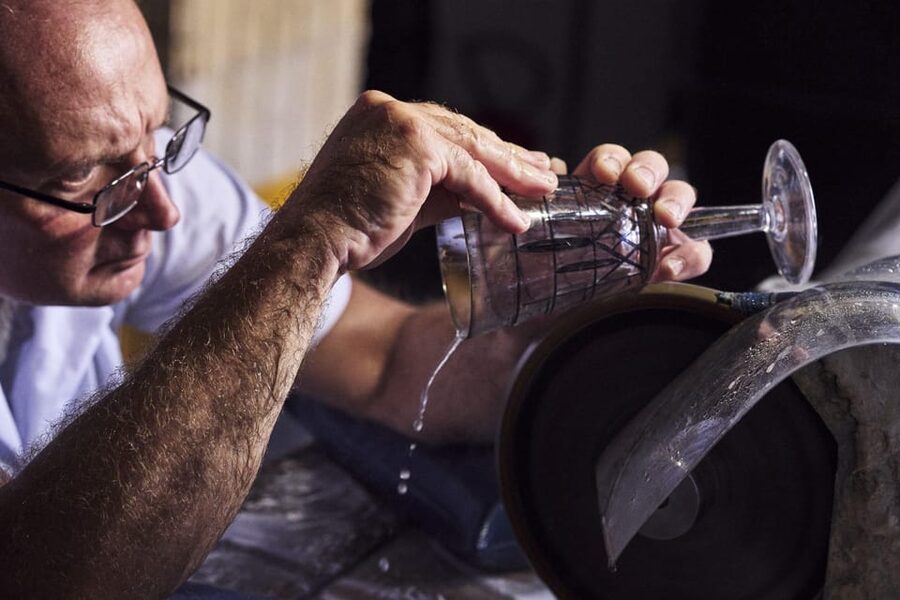
- Watch the full crystal process: The route covers history, molding, blowing, cutting, sculpting, and engraving.
- See real handwork up close: Craftsmen use wooden molds, hand tools, and diamond-tipped wheels.
- Ask questions during the tour: The guides and craftspeople explain the work as you move through the factory.
- Allow about one hour: The tour begins and ends at The Mall in Waterford City.
- Finish in the crystal shop: The retail area displays a large range of Waterford pieces, with a café nearby.
- Good value at $20: You get the factory tour, guide, history displays, and shop visit without paying extra for admission.
Why watching the work matters
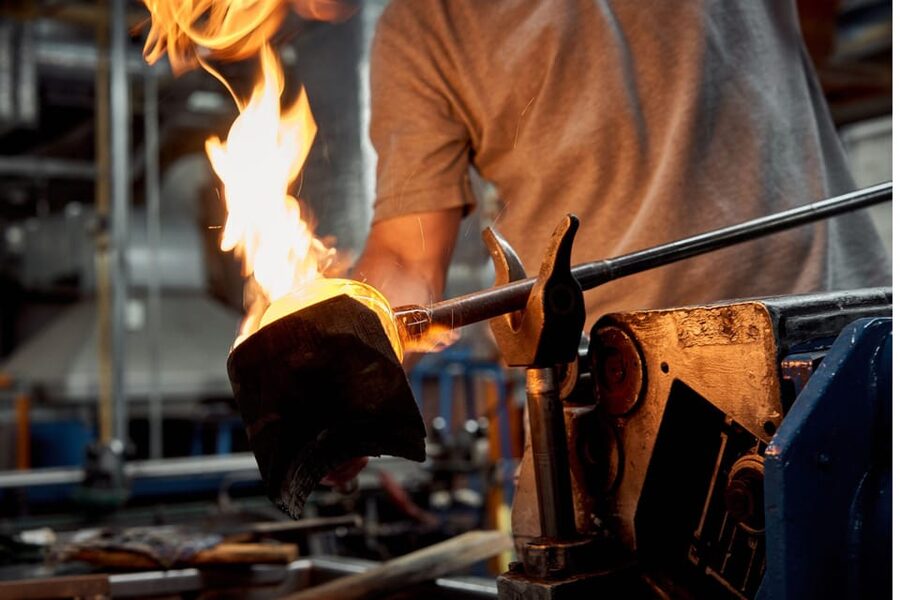
Waterford crystal is easy to admire in a glass cabinet. It is much easier to understand after you see the effort behind one finished piece.
A single object passes through several skilled hands. Molten crystal must be shaped while hot, cut with care, sculpted into its final form, and engraved with exact patterns. The tour makes that chain of work clear. It also explains why a finely made piece costs more than a mass-produced glass.
I find this kind of visit most useful when it connects a finished object with the people and tools that made it. You are not simply shown rows of polished crystal. You see the awkward, demanding stages first, then recognize how much control is required to produce a clean final result.
The best moments come when a craftsman is actively working. You might see a glowing ball of material become a recognizable shape in the blowing room, or watch a cutter use a diamond wheel to create crisp lines. The work moves quickly, so pay attention and stay close enough to see the tools in use.
Other days out people book from Ireland:
- Dublin to Cliffs of Moher, including Wild Atlantic Way and Galway
★ 5.0 · 23,331 reviews - From Dublin: Cliffs of Moher, Burren & Galway City Day Tour
★ 4.8 · 18,888 reviews - Dublin: Guinness Storehouse Entry Ticket
★ 4.6 · 16,863 reviews
Starting with Waterford’s story
The tour begins in the history room, where you get the background to Waterford from its earliest days. This gives the rest of the visit a useful frame. Without it, the factory could feel like a string of technical workstations. With it, you understand how the firm developed and why its name became linked with fine crystal.
Antique pieces are displayed here, giving you a chance to compare older designs with the work being made today. This is also a good place to slow down. The production areas can be visually busy, while the history room lets you study the shapes and decoration in a more settled setting.
I would not expect a long museum visit. The tour is built to move you through the working process, so the historical introduction is focused rather than exhaustive. Still, it does what it needs to do: it explains the company’s beginnings and prepares you to look at the finished pieces with more interest.
If you are visiting Waterford with someone who is less interested in manufacturing, this opening section helps. The story and antique displays offer more than machinery and technique, so the tour is not only for people already fascinated by glassmaking.
The mold room and the first shape
Next comes the mold room. Here, master blowers still use wooden molds and hand tools to shape molten crystal.
That detail is important. It shows that the work is not simply a modern automated production line. The molds guide the form, but the craftsman still controls the material, the timing, and the pressure. Hot crystal does not wait patiently for a second attempt. The skill lies in making small decisions quickly and accurately.
You may not grasp every technical detail on the first pass, but you will see why training matters. The shape of a finished piece depends on the first few stages, and mistakes early in the process can affect everything that follows.
This room is especially useful for families and younger visitors because the connection between tool and result is easy to see. You watch an object begin as a glowing, shapeless mass, then gain structure through practiced handwork.
The blowing room and glowing molten crystal

The blowing room is the most visually striking part of the route. Craftsmen transform glowing balls of molten crystal into elegant shapes, using controlled breath, tools, and movement.
I like this stage because it makes the material feel alive. The crystal is hot, bright, and changeable. The craftsman must work with it at the right moment, shaping it before it cools too far. That combination of speed and control is difficult to appreciate from a finished glass alone.
The tour lets you watch the process at close range and ask questions about what is happening. Guides explain the steps, while the people doing the work provide the most convincing demonstration of all.
Conditions can vary. A working factory does not perform each stage as a scheduled show for every group. You may see more activity in one department than another. That is part of the nature of the visit, but it is worth keeping in mind if you expect a repeated demonstration of every technique.
The hour-long format helps here. You get enough time to understand the sequence without spending so long that the technical details begin to blur.
Same base, a very different sort of day:
- Dublin to Cliffs of Moher, Burren, Wild Atlantic Way, Galway Tour
★ 5.0 · 12,924 reviews - Dublin to Belfast Black Cab, Dunluce Castle and Giant’s Causeway
★ 5.0 · 7,954 reviews - Kilkenny, Wicklow Mountains & Glendalough Day Tour from Dublin
★ 5.0 · 7,897 reviews - From Dublin: Wicklow Mountains, Glendalough & Kilkenny Tour
★ 4.8 · 6,235 reviews
Diamond wheels and the cutting department

Once the crystal has been formed, it moves to the cutting department. Here, craftsmen use industrial diamond-tipped wheels to cut the surface.
The diamond wheel is used because it produces a high-quality cut. This is where a plain shape begins to develop the crisp pattern associated with Waterford crystal. Look at the angles and edges in the showroom afterward, and you will have a better idea of how much accuracy is hidden in those details.
Cutting also shows the difference between decoration and structure. The work is not a quick pass over the surface. Each line must fit the design and sit correctly with the other cuts. Small errors would be easy to notice once the crystal catches the light.
This is one of the strongest parts of the tour for anyone who enjoys craft. You can see the direct contact between tool and material, and you can ask about the work while the craftsman is nearby. The setting is practical and active rather than theatrical.
The factory can be noisy in working areas, and a guide may need to pause or repeat an explanation. If hearing clearly is important to you, stay close to the guide when the group moves between rooms.
Sculpting and engraving, the final precision work
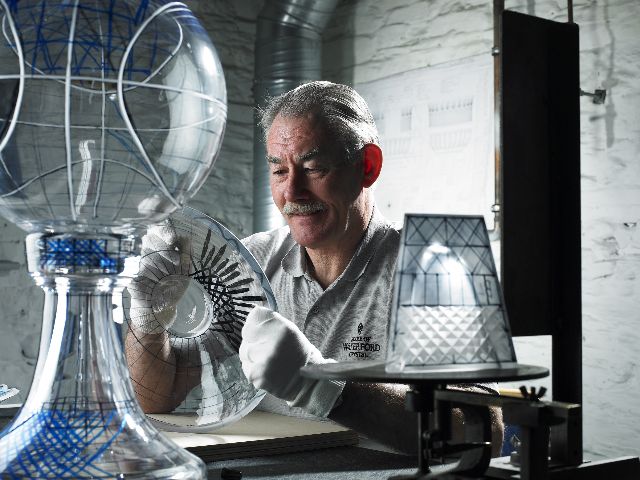
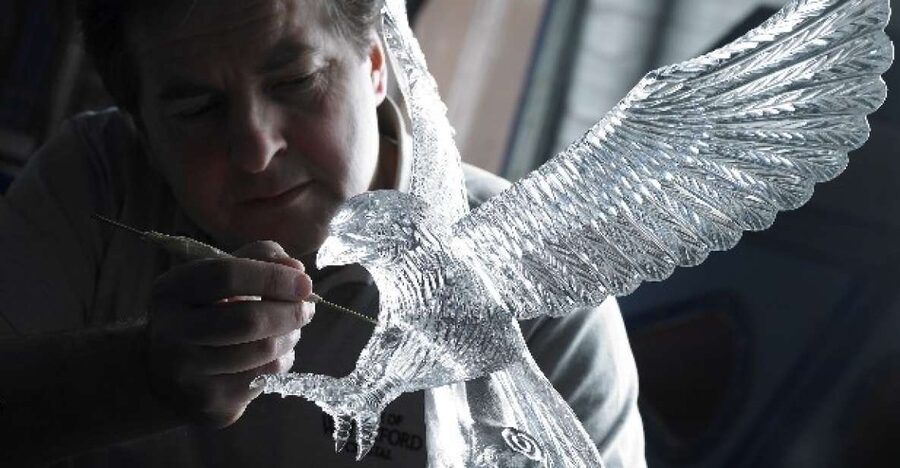
The last stages are sculpting and engraving. These are among the most exacting parts of the process, and they add the detail that turns a shaped object into a finished piece of art.
Sculpting refines the form. Engraving adds lines, images, or patterns to the surface. At this point, there is little room for casual correction. The piece has already passed through several stages, so the artist must work carefully to avoid damaging the result.
I find these rooms especially revealing because the work looks quiet compared with blowing and cutting. There is no dramatic glow or large movement. Instead, you see patience, concentration, and very small adjustments.
The tour gives you a better sense of how many people can contribute to one glass, bowl, ornament, or sculptural piece. A beautiful finished object may look simple at first glance, but the route shows the combined work behind it.
One unusual detail noted during a visit was a gingerbread house in progress. A special piece like that can make the process easier to understand because it shows how the craftsmen apply the same skills to forms beyond ordinary tableware.
The shop is part of the experience
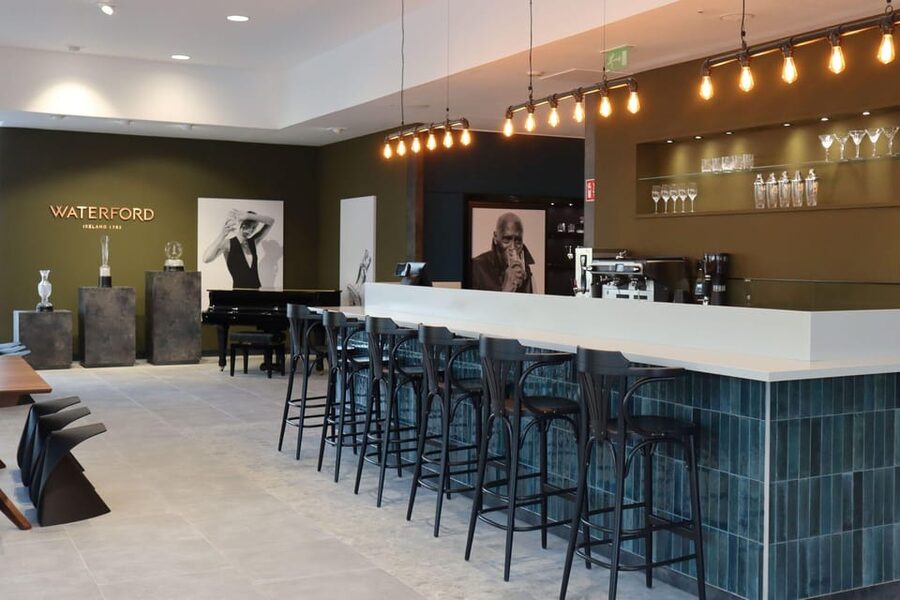
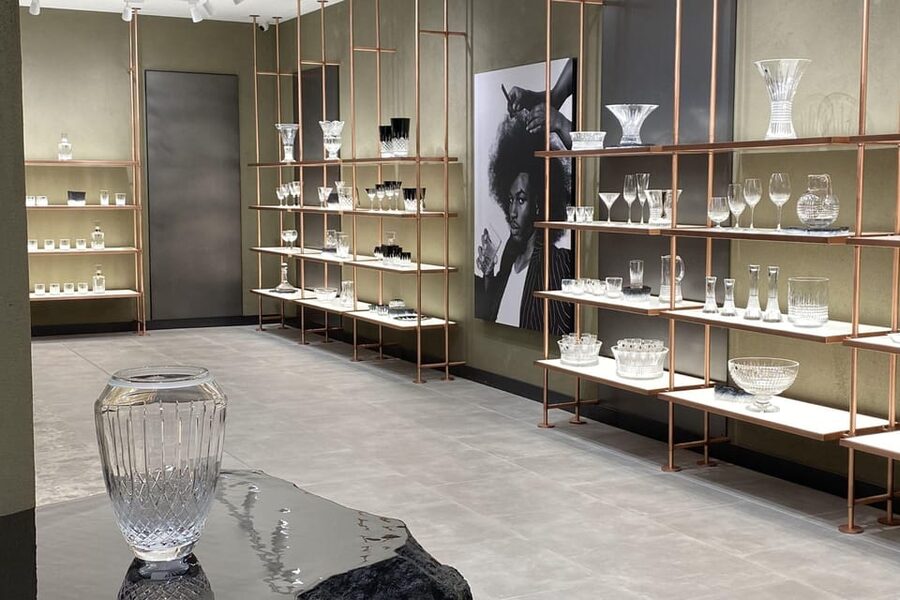
The tour ends in the House of Waterford retail shop, described as the largest display of Waterford crystal in the world. Even if you have no intention of buying, give yourself time here.
The shop lets you see the finished results at their best. After watching the messy, hot, physical stages of production, you can examine polished pieces in a calm setting and compare their patterns, shapes, and levels of decoration.
Prices are not included in the $20 admission, and purchases are entirely optional. I would treat the shop as the final gallery of the tour, not as a required sales stop. You can browse the crystal and leave with a clearer idea of what you have seen without buying anything.
A café is also available, with coffee and a selection of treats. It is a useful place to pause after the tour, especially if you are building a wider visit around Waterford City.
Is $20 good value?

At $20 per person, the tour offers solid value for a one-hour activity. The admission includes the guided factory visit, the historical information, access to the working departments, and the retail display.
The price makes most sense if you care about how things are made. You are paying for access to a working craft process, not only for a room of finished products. The tour also gives you context for the prices in the shop, since you see the labor and precision involved.
I would compare it favorably with a short museum visit because the experience keeps moving and includes live work. It is also easy to fit into a day, with the start and finish at The Mall in Waterford City.
The limitation is simple: one hour goes quickly. You will get an overview of every stage, but not a long technical lesson in each department. If you want to study every tool or design in detail, you may wish the tour were longer.
Who will enjoy this most?
I would recommend the tour to anyone interested in traditional craft, manufacturing, design, or Irish brands. It works well for couples, families, and visitors looking for a structured activity in Waterford City.
It is also a good choice if you are buying or receiving Waterford crystal. Seeing the production process gives the object more meaning and may help you judge the work with a more informed eye.
You do not need a previous interest in crystal. The guide explains the basic sequence, and the visual change from molten material to finished object is easy to follow.
People who prefer independent sightseeing may find the guided format a little fixed. You move through the rooms with the group, and the tour has a set duration. Still, the ability to ask questions makes it more personal than simply walking through an exhibit.
The experience is wheelchair accessible. One visit included a wheelchair user whose needs were accommodated, though it is still sensible to mention any special requirements when booking.
Timing, meeting point, and booking notes
The tour starts at The Mall in Waterford City and returns to the same meeting point. It lasts about one hour, with starting times based on availability.
English is the tour language, and the guide provides the explanations throughout. The factory walk-through is interactive, so use the chance to ask about the tools, the training, and the stages that interest you most.
You can cancel up to 24 hours before the start for a full refund. A reserve-now-and-pay-later option is also available, which helps if your Ireland plans are still changing.
One practical booking warning: check availability carefully and confirm that you have only one active reservation. A booking problem led one person to pay twice when different sites showed different availability. That is avoidable with a quick confirmation before payment.
My verdict on the House of Waterford tour
I would book this tour if I had an hour in Waterford and wanted something more distinctive than a standard city walk. The strongest feature is the chance to see real craftsmen working through the full process, not just a display of finished crystal.
Book it especially if you like making, design, or Irish craftsmanship. The tour also suits visitors who want a short activity with a clear beginning and end, plus a café and shop afterward.
I would skip it only if your schedule is extremely tight or if you want a hands-on class. You watch the work rather than make your own piece, and the pace gives you an overview instead of a long technical study.
For $20, the combination of history, live production, skilled cutting, fine engraving, and a large final display makes this a worthwhile stop. The crystal shop may catch your eye, but the working hands behind the crystal are the real reason to go.
FAQ
Where does the House of Waterford tour start?
The tour starts at The Mall in Waterford City and ends back at the same meeting point.
How long does the tour last?
The tour lasts about one hour. Available starting times depend on the date you choose.
How much does the tour cost?
The listed price is $20 per person.
What language is the tour conducted in?
The live guided tour is conducted in English.
What parts of the crystal-making process can I see?
You can see the history of Waterford, wooden molds and hand tools in the mold room, crystal blowing, diamond-wheel cutting, sculpting, and engraving.
Can I ask the craftsmen questions?
Yes. The tour is interactive, and you can ask questions about the work as you move through the factory.
Is the tour wheelchair accessible?
Yes, the activity is listed as wheelchair accessible.
Is the retail shop included?
Yes. The tour includes a visit to the House of Waterford retail shop, where you can see a large display of Waterford crystal. Purchases, souvenirs, meals, and drinks are not included.
Just added around Ireland
- Dublin: Howth Safari Hiking Tour★ 5.0 · 70 reviews
- Dublin: Trinity College, Castle, Guinness and Whiskey Tour★ 4.7 · 85 reviews
- Dublin: Irish Famine Exhibition Entry Ticket★ 4.4 · 15 reviews
- Dublin: Howth Cliffs and Lighthouse Boat Tour★ 4.5 · 43 reviews
- Dublin: Howth Cliffs and Ireland’s Eye Boat Cruise★ 4.1 · 12 reviews
- Dublin: Hop-on Hop-off Tour with Live German Commentary★ 4.5 · 41 reviews
- Dublin: Highlights and Hidden Corners Walking Tour★ 4.8 · 79 reviews
- Dublin: Historical and Cultural Historical Walking Tour★ 4.8 · 6 reviews
Tours in Waterford, compared.

Skip the Line: Hook Lighthouse Entrance Ticket and Guided Tour
Read our review →