

Reviewed · MUSEUMS
Irish Wake Museum Tour Rituals of Death and Celebration of Life
The Irish Wake Museum takes you into a part of Irish life that is rarely treated with such care: the wake. Inside a 15th-century almshouse, your guide explains why Irish funerals became social, religious, and even celebratory occasions, not simply moments of grief. You’ll also hear folklore tied to death and see objects linked to old funeral customs.
I like the way the tour connects death rituals with the wider story of Waterford. I also like its short, guided format, which gives the small museum more meaning than a quick walk through a room of old objects. Guides such as Tobie and Deirdre have been praised for clear storytelling, good humor, and a well-judged delivery.
The main consideration is the subject matter. You’ll encounter discussion of death, injury, and illness, along with realistic depictions of recently deceased people. The experience is not recommended for children under eight, and sensitive visitors should think carefully before booking.
Key points to know before you book
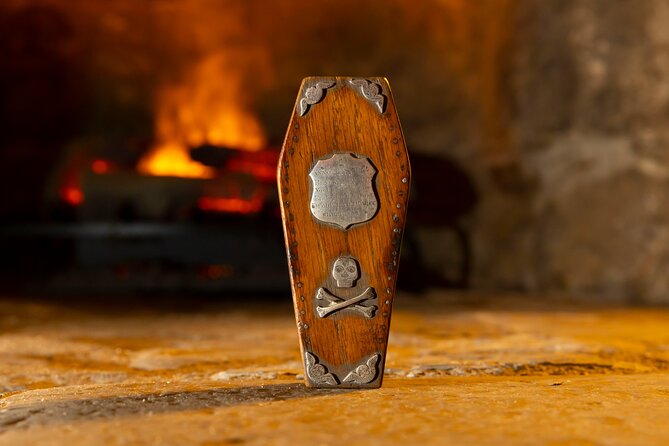
- A 15th-century setting: The museum occupies a former almshouse with six centuries of connections to life and death in Waterford.
- Irish wake customs explained: Your guide links funeral rituals to folklore, mourning, family life, and local history.
- A short, focused visit: The guided tour lasts about 45 minutes, making it easy to fit into a day in Waterford.
- Strong guide-led experience: Tobie and Deirdre are among the guides praised for warmth, humor, and clear explanations.
- Serious displays: Expect references to death, injury, illness, and realistic images or figures of the recently deceased.
- Good value for history-minded visitors: At $17.54 per person, the price pays for a professional guide and a highly specific look at Irish culture.
Entering Waterford’s old almshouse
The address is Cathedral Square, at Waterford Treasures: Irish Wake Museum. You begin and end at the same meeting point, which keeps the visit simple if you are planning other stops around Waterford’s Viking Triangle.
The building matters almost as much as the subject. This was once a 15th-century almshouse, and the site has been tied to ordinary human life and death for roughly six centuries. That gives the tour a fitting home. You are not studying Irish wakes in a modern exhibition hall. You are standing in an old building where earlier generations would have known poverty, illness, care, loss, and religious duty at close range.
I like this kind of setting because it gives the subject physical weight. A museum about funeral customs could easily feel abstract. Here, the age and former purpose of the building help you understand that death rituals grew from daily life, not from a separate world of ceremonies.
The setting is also part of the Waterford story. The tour is not limited to funeral objects. Your guide places the customs within the city’s past, helping you see the wake as one piece of local life rather than a strange custom viewed from outside.
A few more things to do around Waterford worth a look
- Waterford Treasures: Medieval Museum Admission Ticket
★ 4.5 · 132 reviews - Waterford Treasures: Medieval Museum Entry Ticket
★ 4.5 · 20 reviews - Waterford: The Irish Wake Museum Guided Tour
★ 4.8 · 6 reviews
What the 45-minute guided visit covers
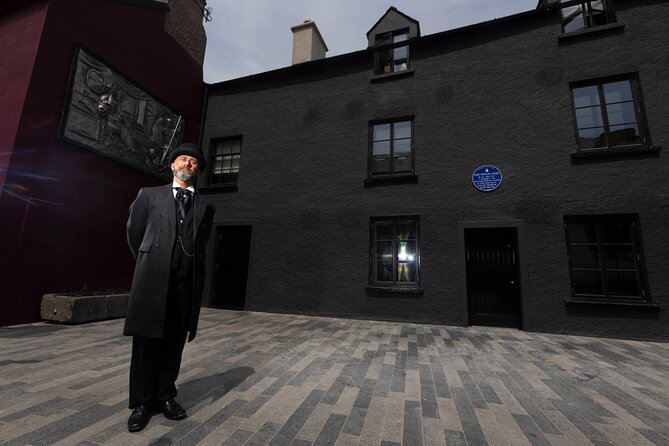
The tour follows one main stop, the Irish Wake Museum, but the content moves across several themes. Your guide takes you through the origins of the Irish wake and explains the customs that developed around mourning and burial.
A wake was not simply a quiet farewell. It could bring family, friends, neighbors, stories, food, prayer, folklore, and social duty into the same room. The museum helps explain why the custom became so distinctive in Ireland and how a funeral could also serve as a gathering for the living.
You will hear folklore linked to death and mourning. That is one of the more unusual parts of the experience. Rather than giving you only dates and definitions, the guide explores the beliefs and stories that helped shape funeral practices.
The tone matters here. The best version of this tour needs a guide who can discuss difficult subjects without making the visit cold or sensational. The feedback about Tobie points to exactly that mix: informative explanations paired with brilliant humor. Deirdre has also been praised for her delivery and command of the subject.
A 45-minute tour gives you a clear introduction, not an exhaustive study of every Irish burial custom. That is a fair trade. You get a compact, guided explanation instead of a long museum visit that might become repetitive. If you want a full day devoted to social history, this will feel brief. If you want one memorable Waterford stop with a strong theme, the length works well.
The artifacts and realistic displays
The museum contains rare artifacts connected with Irish funerary customs. These objects help turn the talk into something concrete. You are not only hearing that wakes involved particular rituals. You can also see material linked to the way those rituals were carried out.
The displays include realistic depictions of the recently deceased. This is important to understand before you arrive. The subject is not handled as a vague discussion of mortality. You may see representations intended to show the appearance or setting of death in a direct way.
That approach can make the museum more effective, but it will not suit everyone. I would be cautious about bringing a child who is easily frightened, even if they are over the stated minimum age. The official advice is that the tour is not suitable for children under eight, and older children still need to be comfortable with the topic.
The museum also discusses illness and injury. This adds context, since older communities experienced death in ways that were closely tied to home care, family responsibility, and limited medical treatment. At the same time, it means you should not book this as a lighthearted folklore attraction.
The title includes celebration of life, and that balance is central. The tour looks at grief, but it also shows how a community gathered around the person who had died. The customs reflect sorrow and affection, but also storytelling, shared memory, and the need for the living to support one another.
How the guides shape the experience
This is a guide-led visit, and your enjoyment will depend heavily on the person leading it. The museum is intimate, and the subject is too specific for a quick self-guided stroll to give you the full picture.
Tobie is praised for combining information with humor. That is not a small point. A tour about death can become heavy if every explanation is solemn. Carefully used humor gives you room to listen and think without making light of the subject.
Deirdre is praised for her precise delivery and strong command of the history. That suggests the tour is not simply a display reading. A good guide can explain why a custom existed, how it fitted into Waterford life, and what it tells you about Irish attitudes toward death.
I would treat the guide as part of the value. At $17.54 per person, you are paying for access to a focused collection, but also for interpretation. Without the explanations, the artifacts and old building would tell only part of the story.
The booking information presents the experience as intimate, with a highlighted limit of four people, while the additional tour information gives a maximum of 12 participants. Because those details do not match perfectly, do not assume you will always have a private or four-person visit. The group may be small, but the formal maximum listed is 12.
Same base, a very different sort of day:
- House of Waterford Crystal Guided Factory Tour
★ 4.5 · 2,303 reviews - Skip the Line: Hook Lighthouse Entrance Ticket and Guided Tour
★ 5.0 · 470 reviews - Waterford: House of Waterford Factory Tour
★ 4.8 · 256 reviews - Waterford Treasures: Epic Walking Tour
★ 4.5 · 152 reviews
Why the Waterford connection matters
You could learn about Irish wakes in many places, but the Waterford setting adds a local angle. The tour sits within Waterford Treasures, the city’s network of museums in the Viking Triangle, and the guide connects funeral practice with Waterford’s wider past.
That makes this a useful choice for you if you want more than a general introduction to Ireland. The museum gives you a close look at how local history, religious practice, family life, and folklore overlap.
One of the best features is the way an ordinary-looking old house can carry so much meaning. The building’s age and earlier use help you picture how care and death were once part of the same neighborhood world. The museum does not need a grand castle or a large collection to make its point.
I also like that the tour asks you to think about the living. Irish wakes were about the dead person, but they were also about the people left behind. The rituals created a structure for grief and gave the community a reason to come together.
Is $17.54 a fair price?
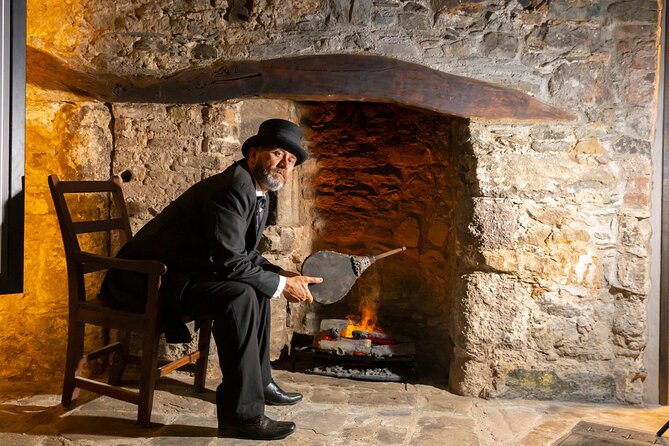
At $17.54 per person, this is not the cheapest short attraction in Waterford. The visit lasts about 45 minutes, so the price may look high if you measure value only by time.
That is the wrong measure here. You are paying for a professional guided tour in a historic building, access to rare funerary artifacts, and a subject that is not widely covered in ordinary city museums. The guide’s explanations are a major part of what you receive.
The value is strongest if you enjoy social history, folklore, local customs, or unusual museums. You will probably leave with a better understanding of why the Irish wake developed as it did, rather than simply seeing a few old objects.
The value is weaker if you want a large museum with many rooms, long galleries, or broad coverage of Irish history. This is a focused experience. Its appeal comes from depth of subject, not size.
You also have a practical advantage: the tour takes less than an hour. It can fit before lunch, between other Waterford Treasures museums, or into a short city visit. The meeting point and return point are the same, and the museum is near public transportation.
Who should book this museum tour?
I would recommend it to adults and older children who are comfortable discussing mortality in a direct way. It should appeal especially to you if you enjoy:
- Irish folklore and traditional customs
- Local history with a strong human angle
- Small museums with a clear theme
- Guided storytelling rather than silent displays
- Unusual cultural experiences beyond castles and churches
- The history of mourning, family, and community life
It is also a good fit for history-minded visitors who have already seen some of Waterford and want a less familiar side of the city. The subject is distinctive, and the setting gives it a strong sense of place.
I would be more cautious if you are traveling with young children, if recent bereavement makes the subject painful, or if realistic depictions of death are likely to upset you. The museum gives clear warning about death, injury, illness, and recently deceased figures. Take that warning seriously.
Practical details for planning your visit
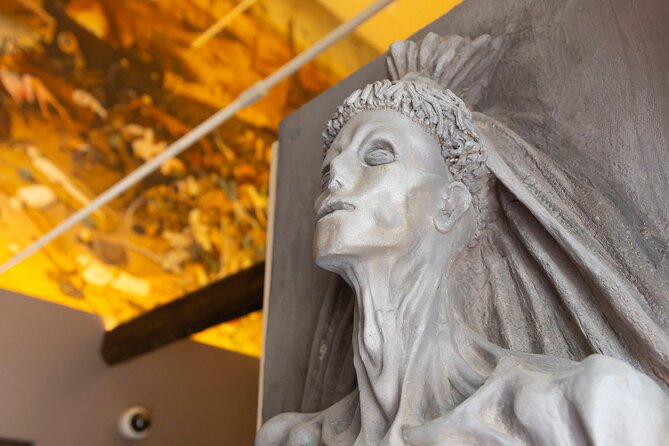
The tour is offered in English and includes a professional guide. A mobile ticket is available, and confirmation is provided at the time of booking.
The experience begins at Waterford Treasures: Irish Wake Museum, Cathedral Square, Waterford, Ireland. It ends back at the same place, so you do not need to arrange a separate return transfer.
Most people can take part, and the museum is near public transportation. The stated maximum is 12 participants, although the experience is also presented as an intimate tour limited to four people. If group size matters to you, check the current booking details before paying.
The tour is often booked about 12 days ahead. That is useful planning advice if your Waterford schedule is fixed. You can cancel for a full refund up to 24 hours before the start time. Cancellations or changes made less than 24 hours before the experience are not accepted for a refund.
Should you book the Irish Wake Museum?
Book it if you want a short, unusual, guide-led look at Irish culture and you are comfortable with direct references to death. The combination of a 15th-century almshouse, Waterford history, old funeral customs, folklore, and strong guide storytelling gives the visit a clear purpose.
I especially like it for adults who have already seen Ireland’s better-known sights and want something more personal and local. The museum is small, but the subject is large. At $17.54, it offers good value when you care about interpretation and atmosphere more than the number of rooms.
Skip it if you want a cheerful family attraction, a broad survey of Irish history, or a museum without realistic death-related displays. For the right visitor, though, this is a thoughtful and memorable stop in Waterford, with enough humor and human feeling to keep a difficult subject approachable.
FAQ
Where does the Irish Wake Museum tour begin?
The tour begins at Waterford Treasures: Irish Wake Museum, Cathedral Square, Waterford, Ireland.
Where does the tour end?
The experience ends back at the meeting point at the Irish Wake Museum.
How long does the tour last?
The guided tour lasts approximately 45 minutes.
What language is the tour offered in?
The tour is offered in English.
What is included in the price?
The price includes the guided tour and a professional guide.
How much does the tour cost?
The listed price is $17.54 per person.
Is the museum suitable for children?
The experience is not suitable for children under eight. The museum includes discussion of death, injury, and illness, as well as realistic depictions of recently deceased people.
How many people can join the tour?
The additional tour information lists a maximum of 12 participants. The experience is also described as an intimate tour limited to four people, so group size may vary.
Can I cancel for a full refund?
Yes. You can cancel at least 24 hours before the start time for a full refund. Cancellations and changes made less than 24 hours before the start time are not accepted for a refund.
Just added around Waterford
- Waterford Treasures: Walking Tour of the Viking Triangle★ 4.7 · 43 reviews
- Waterford: The Irish Wake Museum Guided Tour★ 4.8 · 6 reviews
- Waterford: Mount Congreve Gardens Entry Ticket★ 5.0 · 7 reviews
- Waterford Treasures: Medieval Museum Entry Ticket★ 4.5 · 20 reviews
- Waterford Treasures: Medieval Museum Admission Ticket★ 4.5 · 132 reviews
- Semi Private tour Rock of Cashel – Cahir castle & Kilkenny★ 3.5 · 9 reviews
- Osprey Viking Cruises★ 5.0 · 56 reviews
- Waterford, Kilkenny and House of Waterford Crystal★ 4.0 · 12 reviews
Museums, compared.

The Little Museum of Dublin Famous Guided Tour
Read our review →

Giant’s Causeway with the Titanic Exhibition and the best of Northern Ireland
Read our review →

Irish Whiskey Museum: Whiskey Blending Experience
Read our review →
Irish Whiskey Museum Blending Tour with Tastings
Read our review →Browse the lists this tour appears in