
Reviewed · HISTORICAL TOURS
Cork: Guided Historical Walking Tour
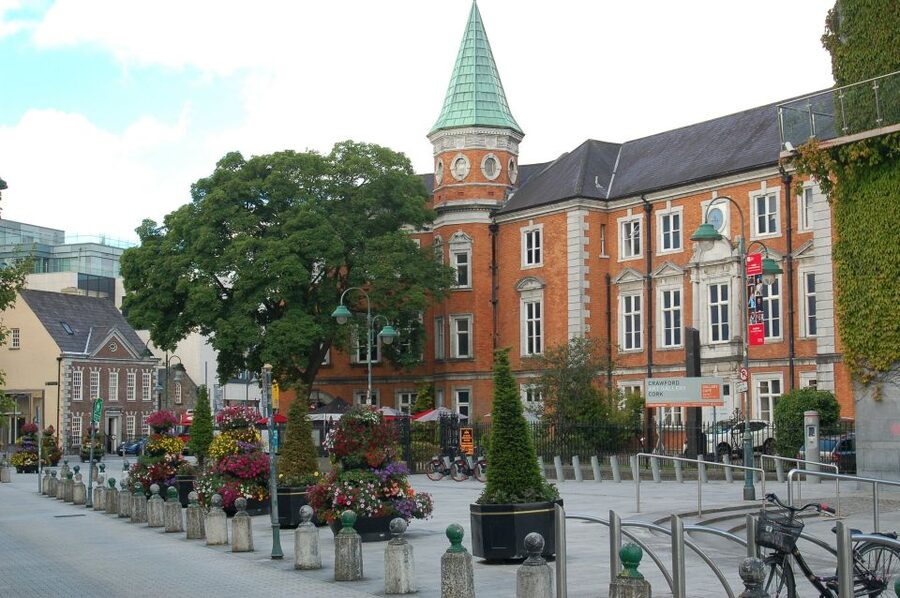
Cork’s most surprising feature is under your feet: several central streets follow old waterways that now run below the city. This 75-minute historical walk makes that hidden structure the key to understanding Cork, while linking it to maritime trade, architecture, religion, and local people.
I like the route for two reasons. First, it covers a lot without sending you far from the centre. Second, guides such as Noel, Mary, Gerard, Catherine, and Aiden bring in personal Cork stories rather than reciting dates alone. The main consideration is weather: this is an outdoor walk, and Cork rain does not cancel it.
Key points at a glance
- Old waterways beneath the streets: Follow Cork’s curved main street and learn how the city grew over former river channels.
- Local guides with strong storytelling: Noel, Mary, Gerard, Catherine, and Aiden are among the guides praised for clear, lively talks and personal local detail.
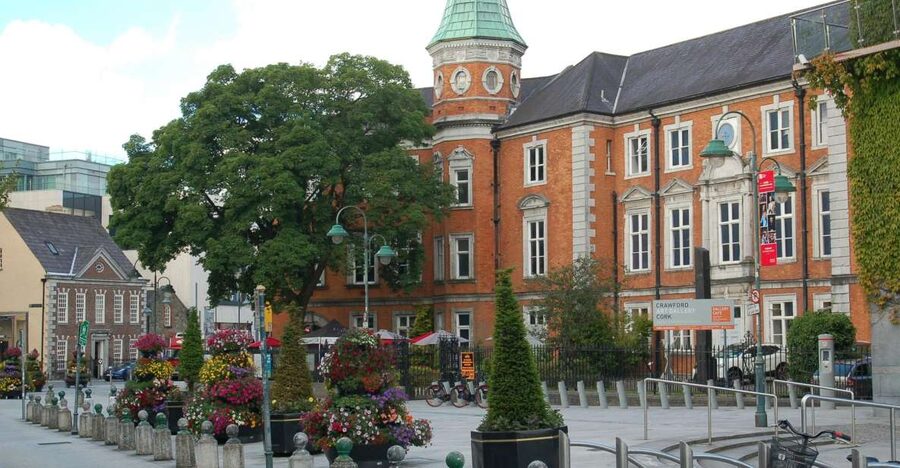
- A useful first-day orientation: The route connects the Opera House, Shandon Church, Grand Parade, Elizabeth Fort, South Mall, and the English Market.
- Maritime Cork in plain view: Look for the shape of the riverfront city in its streets, buildings, and former boathouse entrances.
- Good value at $26: You get a focused introduction to central Cork, though major interior visits and food are not included.
- Rain-ready planning matters: Wear weatherproof clothing, arrive 10 minutes early, and expect the tour to continue in wet weather.
Cork’s hidden rivers make the city click
Cork can feel a little puzzling at first. Its streets curve, rise, and split around waterways, bridges, and old districts. This walk gives you the basic map early, which is especially helpful if you have only a day in town.
The central route follows the shape of a river beneath the main street. That detail is more than a curiosity. It explains why Cork’s centre does not have the straight, tidy layout you might expect and helps you see the city as a place shaped by water and trade.
You will hear how Cork grew as a transatlantic and European trading hub. The emphasis is not only on grand events. Guides also bring in recent history, local characters, music, refugees, and people whose lives shaped the city. That mix gives the walk a human scale.
The route is short enough for most visitors to manage, but it is not a sit-down tour. You will be on city pavements and crossing streets, with regular stops for explanations. A small group can make the experience easier, although one account described a group of about 20. Some guides use a headset microphone, which helps with city noise.
More Walking Tours in Cork
- The Titanic Trail: 1-Hour Guided Walking Tour of Cobh
★ 4.8 · 78 reviews - Cork Instagram Photography Walking Tour
★ 5.0 · 54 reviews - Meet and Eat Dublin: Cork Food Walking Tour
★ 5.0 · 25 reviews
From the Tourist Information Centre to Cork Opera House
Meet at the Cork Tourist Information Centre and arrive 10 minutes before the start. The activity ends back at the same meeting point, so you do not need to arrange a separate pickup or find your way across town afterward.
The first stretch introduces Cork’s central streets and its maritime past. You will walk toward Cork Opera House, a useful early landmark because it places you close to the river and the city’s main commercial area.
The strongest part of this opening is the link between architecture and trade. Buildings are not treated as isolated façades. Instead, the guide explains how Cork’s position on the water helped connect Ireland with European and transatlantic routes.
That approach suits you if you like knowing why a city looks the way it does. It is less suited to anyone hoping for long interior visits. This is an outdoor history walk, not a museum tour.
Shandon Church and Cork’s unmistakable skyline
Across the river, you will see the distinctive form of Shandon Church, officially associated with St Anne’s Church. Its red and white brick bell tower and clock faces are among Cork’s clearest visual markers.
The walk does not appear to include the paid visit to the tower, but you will learn enough about the building to decide if you want to return. One useful detail from the route is that visitors can climb the tower and pull the bell ropes at an additional cost of €6 per person. That is a separate activity, so plan it for another stop rather than expecting time for it during the walk.
This is a good example of how the tour works best as an introduction. You see the important sights, get the story behind them, and then choose which ones deserve a longer visit later.
The guide’s position matters here. Several guides, including Noel and Gerard, are praised for making facts easy to follow and adding local memories. Names can vary by departure, so you should not book on the assumption that a particular person will lead your group. Still, the repeated strength of the guiding is clear: expect a lively talk, not a dry timeline.
Carey’s Lane and the Huguenot cemetery
The route then turns down Carey’s Lane toward the Huguenot cemetery. This stop adds a different layer to Cork’s story, showing how the city was shaped by people who arrived from elsewhere.
The cemetery is not simply another old site to tick off. It connects with the wider theme of migration, trade, and religious communities that helped form Cork. The short visit also breaks up the larger monuments with a quieter, more reflective place.
You may find this part especially useful if you are interested in the people behind the city’s growth. It is also a reminder that Cork’s past was not one single story. Maritime trade brought goods, money, and movement, but it also brought communities, workers, refugees, and new ideas.
Because the entire walk is compact, the time at each stop is limited. You will receive context rather than a full cemetery tour. I would note the location and return later only if this subject interests you strongly.
More walking routes in Cork:
- Best of Cork: Private Walking Tour with a Local
★ 3.3 · 6 reviews - Cork Private Walking Tour
★ 5.0 · 3 reviews - Dublin Highlights and Hidden Gems Guided Walking Tour
★ 5.0 · 6,020 reviews - Dublin: Highlights and Hidden Gems Walking Tour
★ 4.9 · 2,140 reviews
Coal Quay and Cornmarket Street
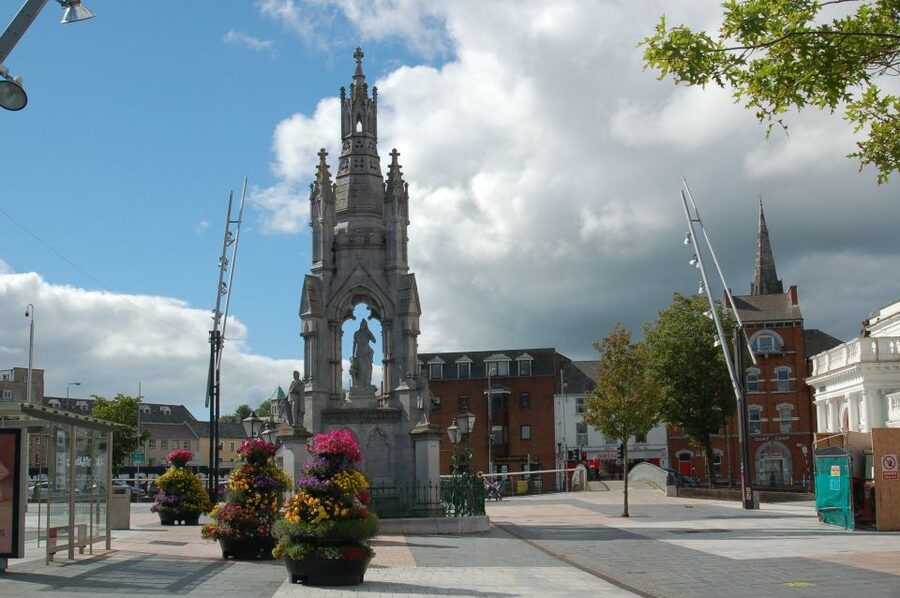
From Carey’s Lane, the walk continues toward the Coal Quay and Cornmarket Street. These places help connect Cork’s history to everyday trade and movement through the city.
Cornmarket Street is described as one of the widest streets in Cork. Its scale gives you a chance to consider how the city’s commercial life needed room for people, goods, and transport. The Coal Quay adds another reminder that Cork was shaped by working trade, not just handsome civic buildings.
This section should appeal to you if you prefer streets with a practical story. The focus is not only on famous names or grand architecture. You are shown how the city worked, where goods moved, and how central spaces served ordinary business.
One advantage of this route is that the guide points out details you might otherwise pass without noticing. One group learned why Cork’s tall, bulky streetlights look the way they do. Small explanations like that can make the walk feel more personal and useful than a list of major dates.
Grand Parade, Bishop Lucy Park, and the Berwick Fountain
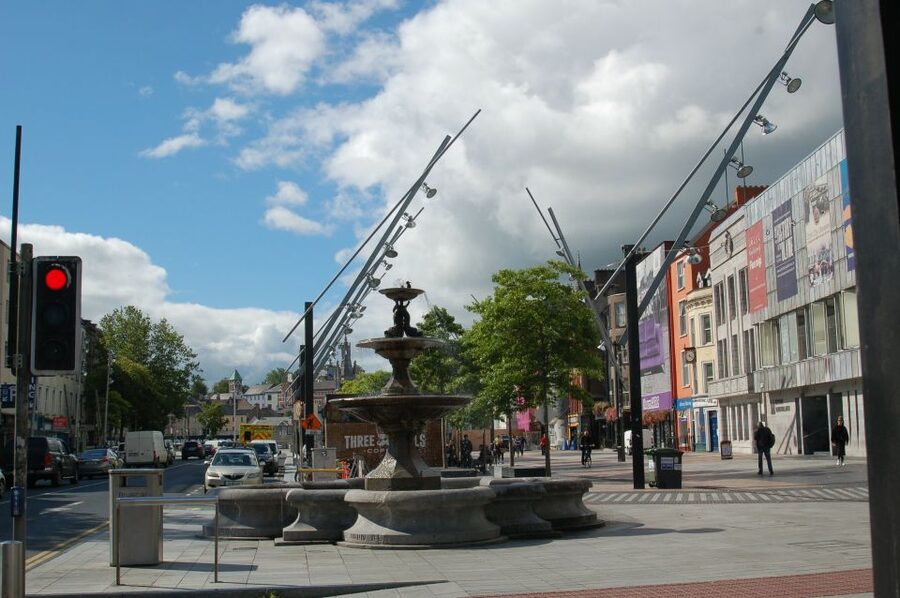
Grand Parade gives the walk its broadest urban setting. Here you will see Bishop Lucy Park, the Berwick Fountain, and the National Monument.
These stops gather several strands of Cork’s story in one place. The park provides a green pause, while the fountain and monument open the door to civic history, public memory, and the people Cork chose to honour.
The route’s strength is its range. In a little over an hour, you move from underground waterways to churches, cemeteries, commercial streets, parks, and memorials. The drawback is that none of these subjects can receive a long treatment. If you prefer one topic explored in depth, you may find the pace brisk.
For most people, that is a fair trade at $26. You are paying for a well-planned introduction that helps you decide how to spend the rest of your time. I would take notes on any place you want to revisit, since the walk gives you the layout but not extended visiting time.
Nano Nagle and Cork’s social conscience
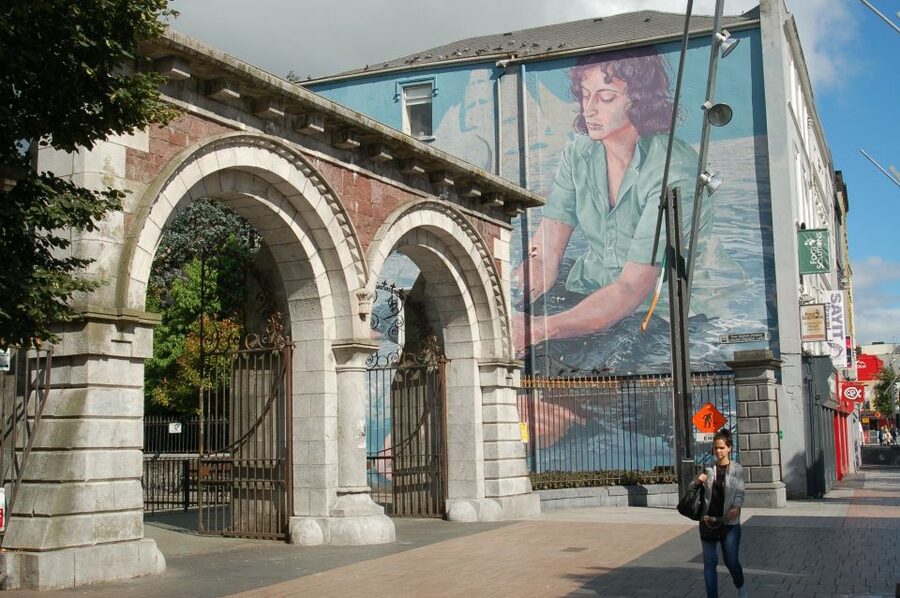
A footbridge named for Nano Nagle brings a more personal and social side of Cork into view. The guide explains her humanitarian work and her efforts to bring education to people who had been left out of formal schooling.
This is one of the most valuable stops because it keeps the tour from becoming a parade of buildings. Nano Nagle’s story shows how one person worked within Cork’s communities and responded to poverty through education.
You will also hear stories about refugees and people connected with the city’s difficult past, including accounts involving former enslaved people and their links to Cork. The guide may connect these themes to the city’s trade and maritime networks, giving you a broader view of how local life was tied to the wider world.
The emphasis is on storytelling. Guides such as Mary and Aiden have been praised for strong delivery, good energy, and the ability to bring local information to life. If you enjoy asking questions, this is a good point to engage, since the tour is designed around conversation as well as explanation.
St Fin Barre’s Cathedral, South Gate Bridge, and Elizabeth Fort
The walk then reaches St Fin Barre’s Cathedral, South Gate Bridge, and Elizabeth Fort. Together, these landmarks show Cork’s religious, defensive, and civic development.
St Fin Barre’s Cathedral is one of the route’s major architectural sights. Even from outside, it gives the guide a chance to explain Cork’s religious past and the city’s changing shape. The South Gate Bridge helps connect that story to Cork’s older entrances and crossing points.
Elizabeth Fort adds a defensive note. From here, the tour can help you understand Cork as a city that needed to protect its position as well as profit from it. The fort also broadens the route beyond the central shopping streets and gives you another perspective on the city’s past.
The pace may feel quickest around this part of the walk because several significant places are grouped together. You should not expect a full fort visit or a detailed cathedral tour. Instead, you get the background needed to return independently if one of these sites catches your attention.
South Mall’s former boathouse entrances
One of the route’s most unusual details appears in South Mall, now Cork’s leading business quarter. The guide points out entrances that once served as boathouses.
This is exactly the kind of detail that makes a walking tour worthwhile. Modern offices can hide the city’s old relationship with water, but these entrances preserve a physical clue. Once you know what you are seeing, South Mall looks different. The street becomes evidence of the river channels and boat traffic that shaped Cork.
The route does not ask you to accept the maritime story as an abstract idea. It points to remnants still visible in the built environment. That is a strong way to connect past and present, especially if you like urban history told through ordinary details.
It is also a reminder to look down and around during the walk. Cork’s most interesting clues are not always its largest monuments.
Finishing at the English Market
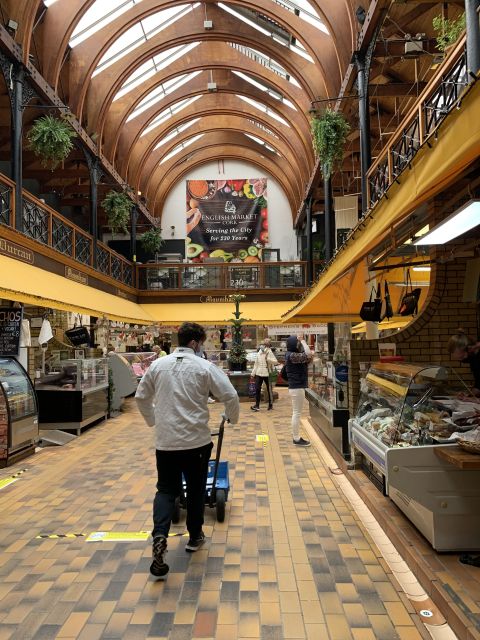
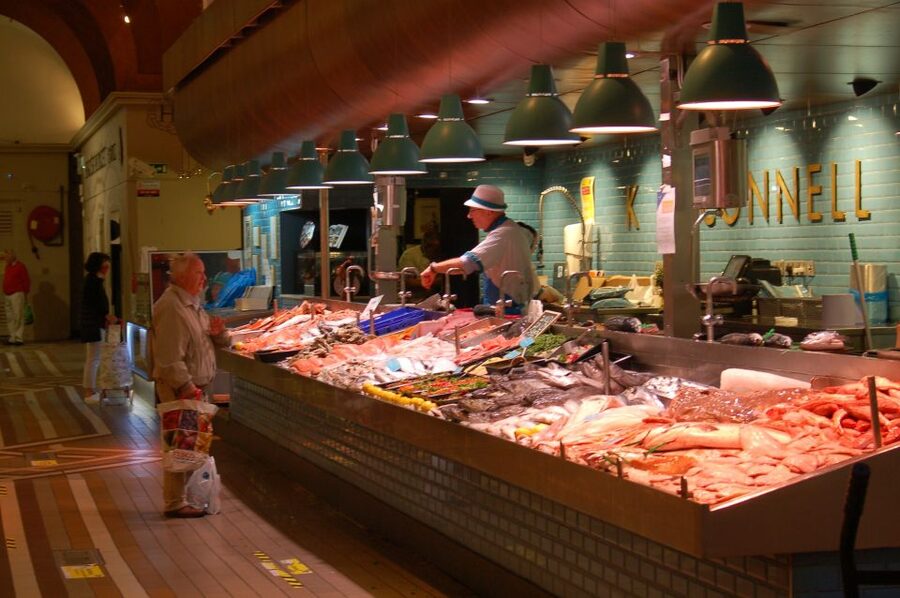
The walk ends on Princes Street at the main entrance to the English Market. This is a smart finish because it leaves you beside one of central Cork’s best-known food and shopping spots.
Food and drinks are not included, but the location gives you an easy next stop. You can continue exploring the market after the guide says goodbye, or use it as a reference point for finding your way around the centre.
Ending here also suits the tour’s practical purpose. You finish with a better sense of where Cork’s main streets connect, and you are placed near a lively city attraction rather than dropped at a random corner.
I would avoid booking a tight meal reservation immediately after the walk. The advertised duration is 75 minutes, and the route includes many stops. Give yourself a little breathing room, especially in wet weather or if your group pauses for questions.
What $26 buys you
At $26 per person, this is good value if you want a guided introduction to Cork rather than a full day of sightseeing. You receive an English-language city walk, a local guide, and a route that covers a wide range of places in central Cork.
The value comes from connections. You are not just shown Shandon Church, the fort, the cathedral, and the English Market. You are shown how water, trade, religion, defence, immigration, education, and civic life fit together.
There are limits. Hotel pickup and drop-off are not provided, and food and drinks cost extra. The short format also means you will see many sights from the outside. If you want entry to Shandon Church’s tower, that costs an additional €6 per person.
The tour is wheelchair accessible, though it remains an outdoor city walk. Wear weather-appropriate clothing and sensible shoes. It operates rain or shine, so do not treat a poor forecast as a minor detail.
Booking terms should be checked carefully before payment. The activity information says you can cancel up to 24 hours in advance for a full refund and also describes the tour as non-refundable, so confirm the exact conditions shown for your selected date.
Who should book this Cork walking tour?
I would choose this tour near the start of a Cork visit. It gives you a working map, points out places worth returning to, and explains why streets and buildings have their current shape.
It suits first-time visitors, history fans, cruise or short-stay passengers, and anyone who prefers local stories to a formal lecture. It also works well if you want a compact activity before visiting the English Market or exploring independently.
Families with older children may enjoy the changing subjects and the visible clues, such as the former boathouse entrances. Very young children may find 75 minutes of standing and walking less appealing, particularly in rain.
You should choose another activity if you want extensive interior access, a food tasting, hotel transport, or a longer specialist history talk. This is a focused city orientation with strong storytelling, not a full-day historical program.
Should you book it?
Book this Cork guided walking tour if you want to understand the city quickly and enjoy a guide who mixes history with personal stories. The hidden waterways, maritime links, Nano Nagle’s work, and South Mall’s old boathouse entrances give the route plenty of substance.
The best plan is to take it early, wear rain-ready clothing, and keep the rest of the day flexible. At $26, it earns its place as a practical first look at Cork, especially if you want help deciding which landmarks deserve a second visit.
FAQ
How long does the Cork historical walking tour last?
The advertised duration is 75 minutes. The route description also refers to about one hour of walking, so allow the full 75 minutes for the activity and its stops.
Where does the tour start?
Meet at the Cork Tourist Information Centre. You should arrive 10 minutes before the scheduled start time.
Where does the tour finish?
The activity finishes back at the meeting point, the Cork Tourist Information Centre.
What language is the tour offered in?
The live guided tour is offered in English.
Is the walking tour wheelchair accessible?
Yes, the activity is described as wheelchair accessible.
What should I bring?
Bring weather-appropriate clothing. The tour takes place rain or shine, and food and drinks are not included.
More history tours in Cork
- Historic Cork Delicious Donut Adventure by Underground Donut Tour
★ 5.0 · 232 reviews - Dublin Historical Centre Food Tour with 8 Food Tastings & Drinks
★ 5.0 · 1,718 reviews - 2-Hour Historical Walking Tour from Dublin
★ 5.0 · 875 reviews - Historical 2-Hour Guided Walking Tour of Dublin
★ 4.7 · 865 reviews
Just added around Cork
- Cork Private Walking Tour★ 5.0 · 3 reviews
- Cork: Jameson Cocktail Making Class at Midleton Distillery★ 4.9 · 18 reviews
- From Cork: Full-Day Guided Tour to Dingle Peninsula★ 4.4 · 135 reviews
- Cork: Hysterical Histories, Comedic Dinner Theater Show★ 5.0 · 7 reviews
- Cork: Midleton Distillery Behind the Scenes Tour & Tasting★ 5.0 · 23 reviews
- Cork: Midleton Distillery (Jameson) Premium Whiskey Tasting★ 5.0 · 5 reviews
- Cork: City Gaol Tour with Audio Guide★ 4.8 · 108 reviews
- Cork: Fab Food Tasting Trail★ 4.7 · 10 reviews
Historical Tours, compared.

Dublin Historical Centre Food Tour with 8 Food Tastings & Drinks
Read our review →
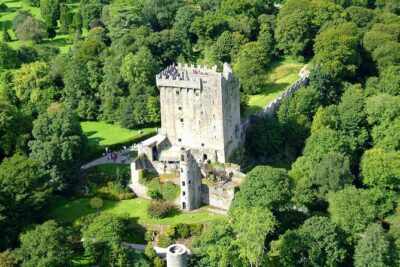
Dublin to Cork, Blarney Castle & Cóbh Heritage Centre by train
Read our review →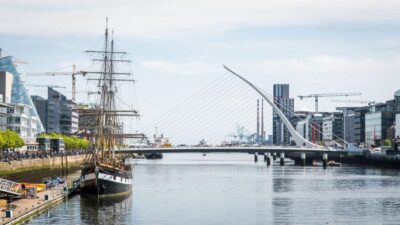
Jeanie Johnston Tall Ship Irish Famine History Tour
Read our review →

Deliciously Dublin: The Artisan Donut Walking & History Tour
Read our review →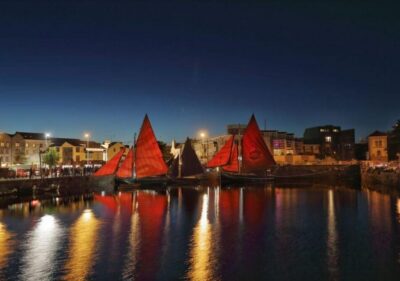

Historic Cork Delicious Donut Adventure by Underground Donut Tour
Read our review →Browse the lists this tour appears in