
Reviewed · WALKING TOURS
Dublin Walking Tour: Top 10 highlights
Dublin’s best-known sights are packed into a walkable central area, and this two-hour tour gives you a fast, useful introduction to them. You move from the Spire and GPO to the Liffey, Temple Bar, the medieval core, the cathedrals, Dublin Castle, and Trinity College without spending time inside the buildings.
I like the clear route through central Dublin and the way it links political history, religion, literature, and everyday city life. I also like that the guide pauses to explain the meaning of each building instead of simply pointing at it. The main drawback is simple: you do not go inside any of the sights, so you will need separate time and admission for places you want to visit properly.
Key points to know before you book
- Two hours covers ten major Dublin highlights, with a brisk route and several short guided stops.
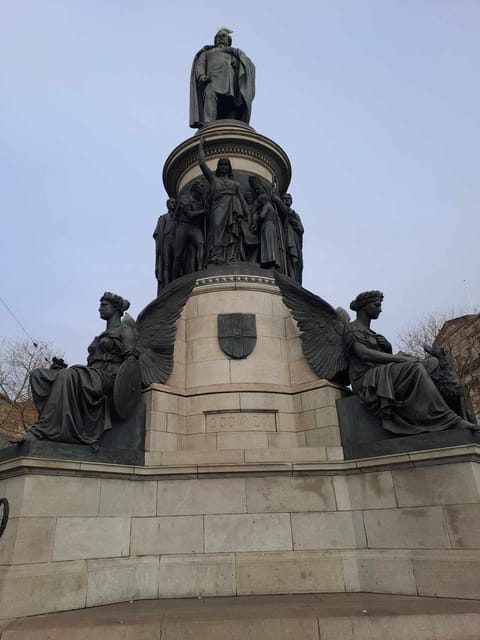
- The tour begins at the foot of the Spire on the GPO side, an easy landmark to find on O’Connell Street.
- All explanations take place outdoors, including information about the cathedrals, Dublin Castle, the GPO, and Trinity College.
- A live guide speaks French, and Matthew is one guide praised for answering questions and allowing time for discussion.
- The route connects both sides of the River Liffey, including Ha’penny Bridge and other notable bridges.
- The price is $54 per person, which is most useful if you want an organized overview rather than a series of paid interior visits.
Why this Dublin walk works well for a first visit

Dublin can feel scattered at first. The main sights are close enough to walk between, but each belongs to a different chapter of the city’s story. The GPO points to Irish independence, Trinity College to education and national culture, the cathedrals to medieval Dublin, and Temple Bar to the city’s modern social identity.
This tour joins those pieces into one route. You are not just looking at isolated façades. You are hearing how the city’s major buildings and streets relate to one another. That matters most on a first day, when a clear map in your head can save time later.
The pace is also sensible for a short city introduction. Two hours is long enough to cover the central core but short enough to fit around lunch, a museum visit, or an afternoon excursion. You should expect a steady walk, several stops, and plenty of standing. Comfortable shoes are a must, and weather-appropriate clothing matters in Dublin’s changeable conditions.
The tour is wheelchair accessible, according to the activity details. Since this is an outdoor city walk, you should still confirm any specific access needs when booking, especially if you want more information about the surfaces and exact route.
More Walking Tours in Dublin
- Dublin Highlights and Hidden Gems Guided Walking Tour
★ 5.0 · 6,020 reviews - Dublin: Highlights and Hidden Gems Walking Tour
★ 4.9 · 2,140 reviews - 1916 Rebellion Walking Tour
★ 5.0 · 1,605 reviews
Starting at the Spire and the GPO
The meeting point is at the foot of the Spire on the GPO side. The Spire is hard to miss, so it makes a practical starting point, especially if you are new to Dublin and still learning the street plan.
The first stops include the Spire, a nearby lesser-known stop, and the General Post Office. The Spire gives you an immediate orientation point on O’Connell Street, while the GPO provides one of the tour’s strongest historical anchors.
The guide explains the GPO from outside, along with its place in modern Irish history. You will not enter the GPO Museum on this walk, so think of this stop as a useful introduction rather than a museum visit. If the subject catches your interest, you can return later for the indoor displays.
The tour also covers O’Connell Street itself. This broad central avenue is more than a route from one sight to another. It helps you understand Dublin’s civic center and its connection to national events. The guide’s explanations are especially useful here because the street can look like an ordinary commercial thoroughfare until you know what to look for.
Crossing the Liffey by Ha’penny Bridge
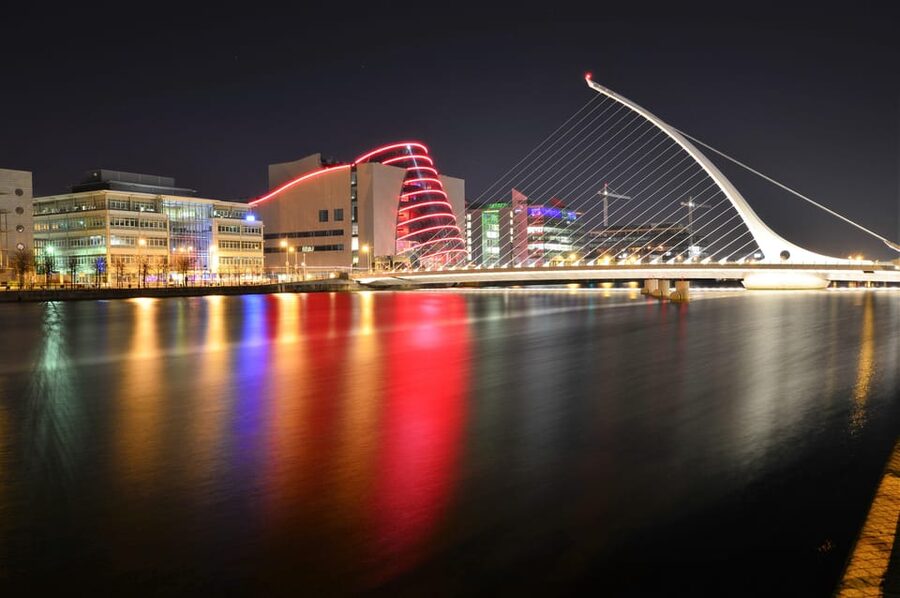
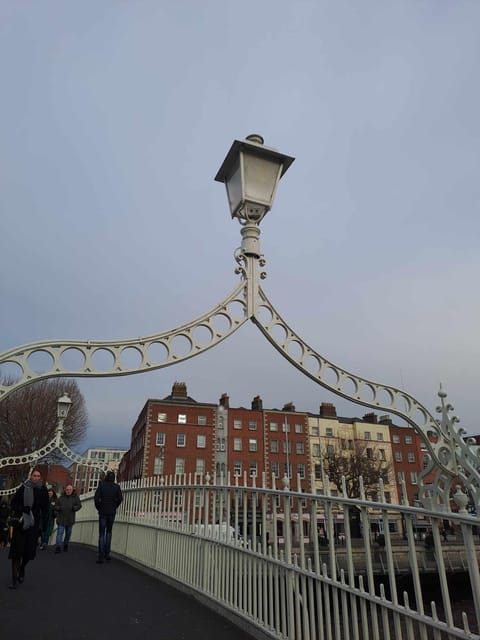
The walk continues toward the River Liffey and its bridges, including Ha’penny Bridge. This is one of Dublin’s most recognizable crossings, and it gives you a good change of scene after the wide avenue around the GPO.
The bridge stop is brief but useful. You get a sense of how the river divides and connects the city center, with major districts on both sides. The tour also refers to other Liffey bridges, so you receive more than a quick photo stop.
I like this part of the route because it shifts the tour from formal landmarks to the city’s everyday geography. Dublin’s identity is tied closely to the Liffey, and walking across it helps you place Temple Bar, O’Connell Street, and the older southern districts in relation to one another.
The bridge can be busy, and the route is still a guided walking tour rather than a quiet riverside stroll. If you want uninterrupted photographs, you may prefer to return at a calmer time.
Temple Bar beyond the pub signs
Temple Bar is one of Dublin’s most famous areas, and the tour places it in the route after the Liffey crossing. You will hear about the district and its place in Dublin culture rather than simply being pointed toward its pubs.
This is a good stop for understanding the difference between Dublin as a lived-in city and Dublin as a visitor attraction. Temple Bar is popular, often crowded, and full of strong visual cues. A guide can help you see more than the familiar pub fronts and colorful streets.
Do not expect a long free period here during the two-hour walk. The purpose is orientation and explanation. If you want a meal, music, or a slower look around, plan to return after the tour.
The route then includes another lesser-known stop before moving into the older center. The exact details of these stops are not specified, which is part of the tour’s small element of surprise. You should treat them as added points along the walk, not as major interior attractions.
More walking routes in Dublin:
- 90 Minute Dublin Walking tour and Sightseeing tips
★ 5.0 · 916 reviews - 2-Hour Historical Walking Tour from Dublin
★ 5.0 · 875 reviews - Historical 2-Hour Guided Walking Tour of Dublin
★ 4.7 · 865 reviews - Dublin Traditional Irish 3 Course Meal Walking Tour with Local
★ 5.0 · 755 reviews
Christ Church and Dublin’s medieval center

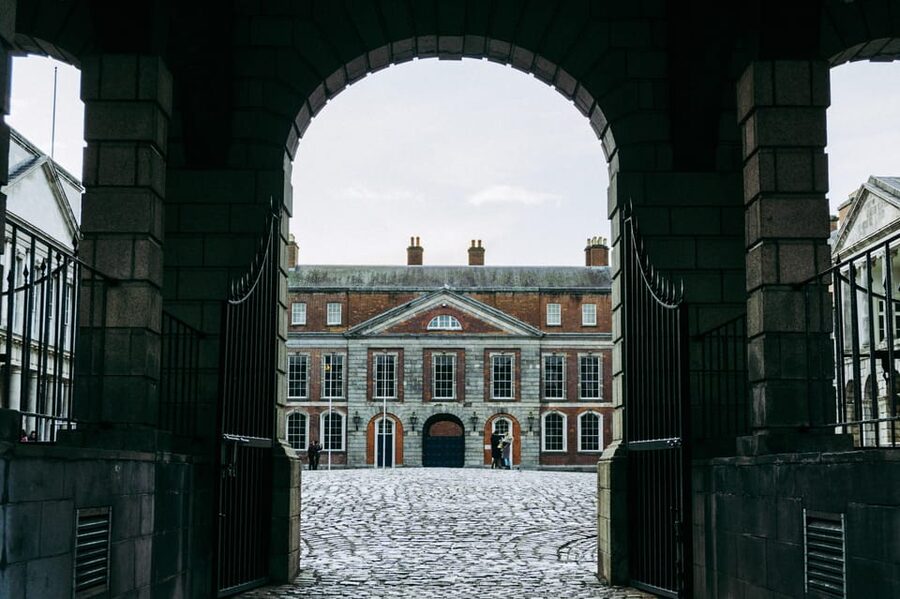
Christ Church Cathedral is one of the major stops, and the guide explains it from outside. The surrounding area helps introduce medieval Dublin, giving the tour a clear connection to the city’s earliest urban core.
This is where the walk gains historical depth. The modern streets around the cathedral can make the city seem relatively young, but the area carries a much older story. You will hear about Christ Church and the development of medieval Dublin without needing to enter the cathedral.
The limitation is worth repeating. The exterior explanation cannot replace seeing the inside, especially if architecture or religious art is a major reason for your visit. Still, as part of a city walk, this stop gives you the context needed to decide if a later interior visit deserves space in your schedule.
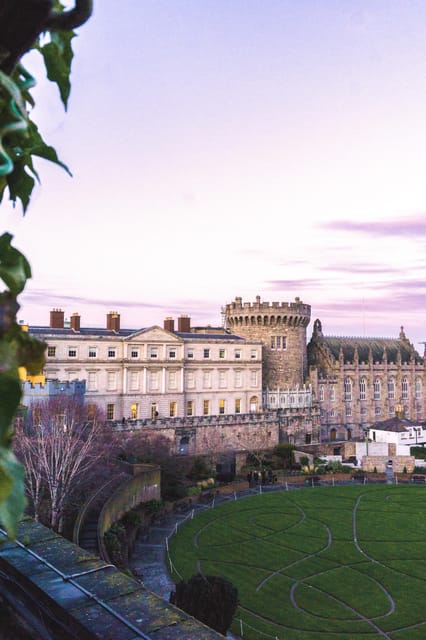
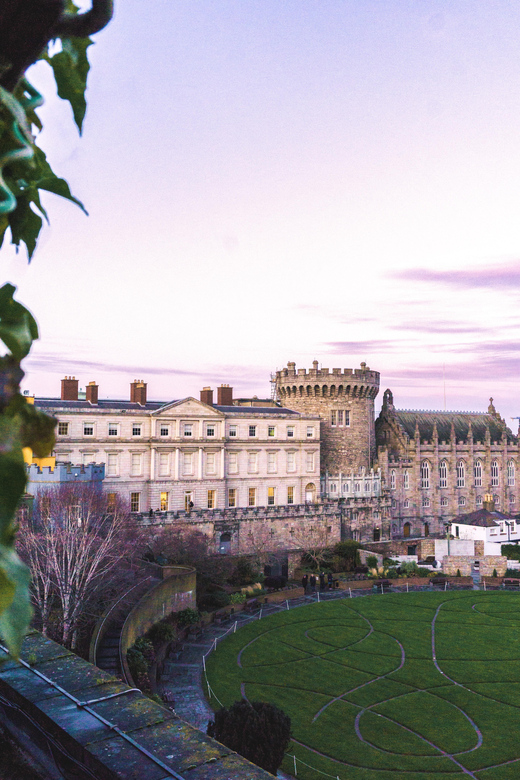
The tour then reaches Dublin Castle. The guide covers the castle and medieval Dublin from outside, linking the site to the city’s political past. Again, this is a history stop rather than an admission visit.
For a first look, that can be good value. You get the setting, the main facts, and a sense of why the castle belongs on any central Dublin route. If you want rooms, exhibitions, or a fuller look at the complex, you will need a separate visit.
St Patrick’s Cathedral and the city’s religious story
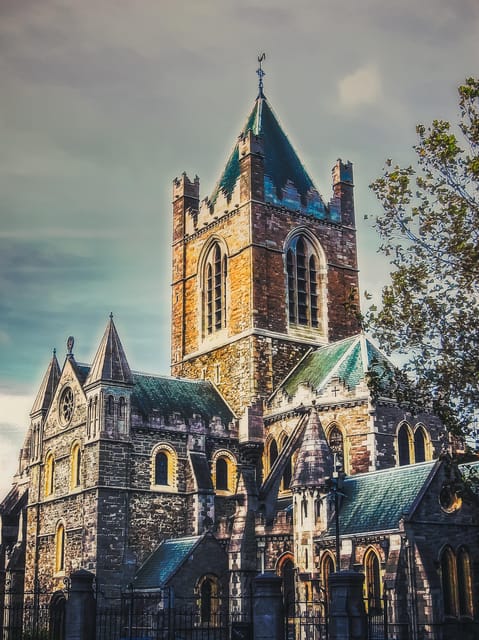
St Patrick’s Cathedral is another major stop on the route. Together with Christ Church, it gives the walk a strong religious and medieval thread.
The guide explains the cathedral from outside, so you can compare its role with Christ Church while learning how both fit into Dublin’s development. This is a useful pairing because seeing the two cathedrals on one walk helps you understand that they are not simply interchangeable church stops.
The exterior visit also keeps the tour moving. You are not spending a large part of the two hours inside one building while missing the rest of central Dublin. That trade-off will suit you if your priority is seeing many landmarks in a short period.
If you already know you want to visit St Patrick’s Cathedral, check opening arrangements separately and leave another part of your day for it. The walking tour provides explanation and location, not entry.
Trinity College, culture, and the final stretch
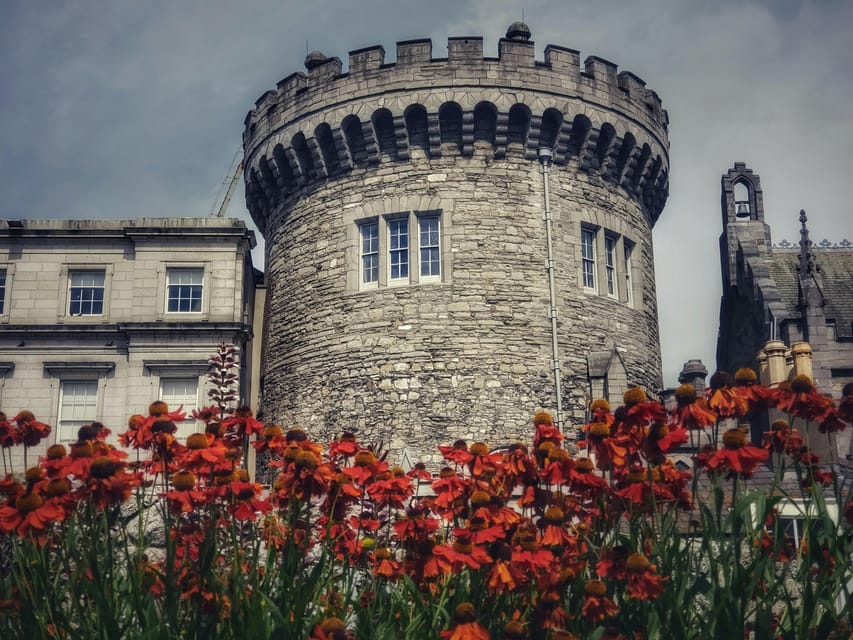
Trinity College is listed as the final main stop, with the walk finishing at Trinity. The college gives the tour a cultural and educational ending after the political, religious, and river-focused sections earlier in the route.
The guide explains the college from outside. You should not expect entry to the grounds or access to the Book of Kells as part of this activity. That distinction is important because Trinity is one of Dublin’s most sought-after paid attractions, and the walking tour does not include that visit.
Still, Trinity makes a strong final reference point. It is easy to recognize, central, and useful for planning the rest of your day. You might continue to nearby streets, return to the GPO area, or make a separate college visit after the tour.
The route also includes one final secret stop before the finish. Details are not provided in advance, so do not book this walk expecting a precise list of every small stop. The main sights are clear, while the extra points add variety along the way.
There is a small wording issue in the meeting information: the route lists Trinity College as the finish, while the activity details also say the tour ends back at the meeting point. Confirm the exact endpoint when booking, particularly if you have a timed reservation afterward.
The guide makes the difference
A short walking tour depends heavily on the guide. The strongest feedback centers on guides who explain clearly, handle questions, and keep the mood light.
Matthew is specifically praised for answering many questions, taking time with the group, and combining useful facts with humor. Another guide is described as Belgian and especially strong on dates and details about both historical and modern Dublin. The advertised language for the tour is French, so confirm that the guide available for your date will meet your language needs.
That personal contact is the main reason to choose this experience over a self-guided route. You can find the buildings on a map, but a good guide helps you connect them and decide what deserves a longer visit.
Do keep your expectations in proportion to the two-hour format. The guide can explain many places, but there is not enough time for long conversations at every stop or for a detailed lecture on each building. The value comes from a clear overview, not from exhaustive study.
Is $54 a fair price?
At $54 per person, this is not the cheapest way to walk through Dublin. You can see the outside of many listed sights on your own for no admission cost. The price makes more sense if you value a live French-language guide, a planned route, historical explanation, and the chance to ask questions.
The tour is less useful if you mainly want entry to attractions. No interiors are included, including the GPO Museum, Christ Church Cathedral, St Patrick’s Cathedral, Dublin Castle, or Trinity College. You would pay separately for those visits and need extra time.
I see the best value for a first-time visitor with only a short stay. In two hours, you can identify the main parts of central Dublin and then choose which places deserve a return visit. It is also practical early in your trip, since the route can help you plan the rest of your sightseeing.
For a repeat visitor who already knows the center, the price may be harder to justify unless a French-language guide or the historical explanations are the main attraction.
Who should choose this walk?
I would recommend it to you if you want:
- A quick introduction to Dublin’s central sights
- A French-language walking experience
- Explanations of major buildings without committing to long interior visits
- A route that combines political, religious, cultural, and riverside landmarks
- A guide who can answer questions and add humor to the history
- A wheelchair-accessible activity in the city center
I would look elsewhere if your priority is entering Dublin’s famous buildings, spending quiet time at each sight, or exploring at your own pace. The tour is structured and brisk. It gives you a useful framework, then leaves the deeper visits to you.
The overall rating is 4.9 from 46 reviews, and the most praised qualities are clear: strong factual explanations, friendly guiding, patience with questions, and coverage of the main landmarks. Those are exactly the qualities that matter most in a short city walk.
Practical details before you go
The tour lasts two hours, and starting times depend on availability. Arrive at the foot of the Spire on the GPO side with comfortable shoes and clothing suited to the weather.
The activity allows free cancellation up to 24 hours in advance for a full refund. You can also reserve now and pay later, which helps if your Dublin schedule is still changing.
The guide speaks French, and the walk is listed as wheelchair accessible. Since all explanations take place outdoors, rain and wind can affect your comfort even when the tour itself runs as planned.
Should you book the Dublin highlights walk?
Book it if you want a well-organized first look at Dublin, especially in French, and you prefer hearing the story behind the buildings rather than simply photographing them. The route covers a lot in two hours, and the best guides add useful detail, humor, and time for questions.
Skip it if you want interior access or a slow, in-depth visit to the cathedrals, castle, GPO Museum, or Trinity College. For most first-time visitors with limited time, though, the walk offers a practical starting point. Use it to get oriented, note the places you want to revisit, and then explore Dublin at your own pace.
FAQ
How long does the Dublin walking tour last?
The tour lasts two hours. Starting times vary, so check availability for the date you want.
Where does the tour begin?
It begins at the foot of the Spire on the GPO side.
Where does the tour finish?
The route lists Trinity College as the finish. The activity information also says it ends back at the meeting point, so confirm the exact endpoint when booking.
Is the tour conducted in French?
Yes. The listed live tour language is French.
Do I enter the buildings?
No. The guide provides information and historical explanations from outside the buildings. Interior admission is not included.
What should I bring?
Bring comfortable shoes and clothing suitable for the weather. The walk takes place outdoors for two hours.
Just added around Dublin
- Wicklow Mountains Private Day Tour including Glendalough★ 5.0 · 7 reviews
- Wicklow: Private Day Tour from Dublin★ 5.0 · 5 reviews
- Women Of Ireland: Trailblazers & Pioneers★ 5.0 · 4 reviews
- Wicklow tour of Glendalough★ 4.5 · 8 reviews
- Premium Irish Whiskey Tasting Hosted by Local Dublin Expert★ 5.0 · 77 reviews
- Whiskey Tasting Tour of Dublin★ 5.0 · 117 reviews
- Wicklow Mountains & Glendalough Luxury Private Day Tour★ 5.0 · 23 reviews
- Semi-Private (8people max) 2.5 Hr Dublin Walking Tour★ 5.0 · 69 reviews
Walking Tours, compared.
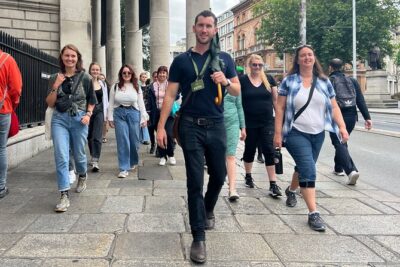
Dublin Highlights and Hidden Gems Guided Walking Tour
Read our review →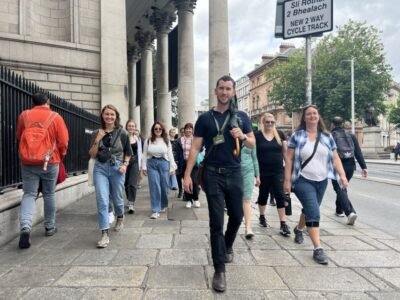

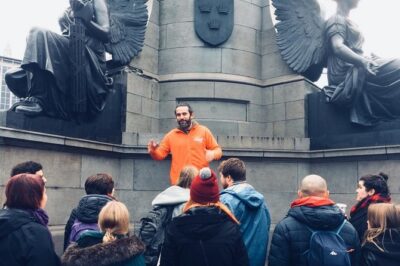
90 Minute Dublin Walking tour and Sightseeing tips
Read our review →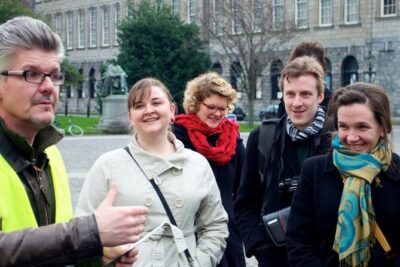

Dublin Traditional Irish 3 Course Meal Walking Tour with Local
Read our review →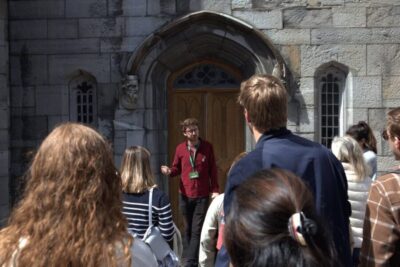
Browse the lists this tour appears in