
Reviewed · WALKING TOURS
Vikings In Dublin (Walking Tour)
Dublin’s Viking story begins beside the Liffey, where Norse settlers founded the town they called Dubh Linn. This 90-minute walking tour connects that early settlement with Christ Church Cathedral, Fishamble Street, Dublin Castle, and other old corners of the city.
I like the route for two clear reasons: it gives you a useful overview rather than treating the Vikings as simple raiders, and the guide makes room for customs, daily life, motives, and their effect on Ireland. The guide also adapts when needed, as shown when he helped a partner dealing with a minor health problem.
The main drawback is the language. This tour is offered in French only, so it is a poor fit if you need an English-language explanation. The walk also covers several historic streets in a short time, so you will get a strong introduction rather than a long visit inside every landmark.
Key points at a glance

- The Báite longboat sculpture starts the story: Meet beside Betty Newman Maguire’s 1988 Viking longboat sculpture and begin with a clear visual link to Dublin’s seafaring past.
- Christ Church Cathedral anchors the route: This major Dublin landmark helps connect Viking Dublin with the city that followed.
- Fishamble Street brings the old settlement close: The route follows one of the most useful places for picturing markets, docks, and early urban life.
- The guide adds context beyond warfare: Expect discussion of Viking customs, society, motives, and influence on Ireland.
- The tour is French-language and wheelchair accessible: Confirm that the language suits your party before booking.
- The price is $45 per person: That is reasonable if you value a focused guide and an efficient introduction to several central sites.
Seeing Dublin through its Norse beginnings
Many people meet Dublin through Georgian squares, literary landmarks, pubs, and grand government buildings. This walk gives you a different starting point. It asks you to picture the Liffey as a working waterway, with longships arriving, markets forming, and a settlement taking shape around the dark pool that inspired the name Dubh Linn.
That shift in viewpoint is the best reason to book. You are not simply walking past old buildings and being told their dates. You are following a thread: water, trade, settlement, religion, streets, and political power. The Viking period becomes part of Dublin’s physical layout rather than a detached chapter from a history book.
The tour lasts 1.5 hours, which works well for an introduction. You can fit it into a morning or afternoon without giving up a full day of sightseeing. At the same time, the short format means the guide must keep moving. If you want lengthy interior visits or an academic study of Viking archaeology, this will feel brief.
More Walking Tours in Dublin
- Dublin Highlights and Hidden Gems Guided Walking Tour
★ 5.0 · 6,020 reviews - Dublin: Highlights and Hidden Gems Walking Tour
★ 4.9 · 2,140 reviews - 1916 Rebellion Walking Tour
★ 5.0 · 1,605 reviews
Beginning beside the Báite longboat
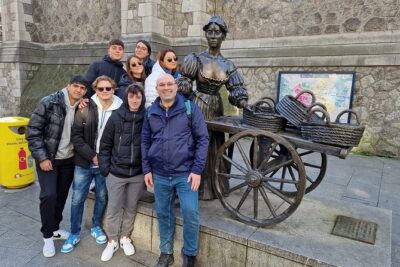
The meeting point is the Báite Viking longboat sculpture by Betty Newman Maguire, created in 1988. It is a practical starting place because the sculpture gives the group an immediate picture of Viking travel and seafaring before the guide begins explaining Dublin’s early settlement.
I like meeting at a landmark rather than a vague street corner. Look for the longboat sculpture and allow yourself enough time to find it without rushing. The supplied information identifies this as the start of the tour, so use it as your main reference point when planning your arrival.
The opening also helps set the tone. The Vikings are presented as people who sailed, traded, settled, organized communities, and followed customs, not only as raiders. That broader view was one of the strongest features of the guiding style. The guide explains events in clear terms and makes room for the less simple parts of the period.
Christ Church Cathedral and the layers beneath Dublin
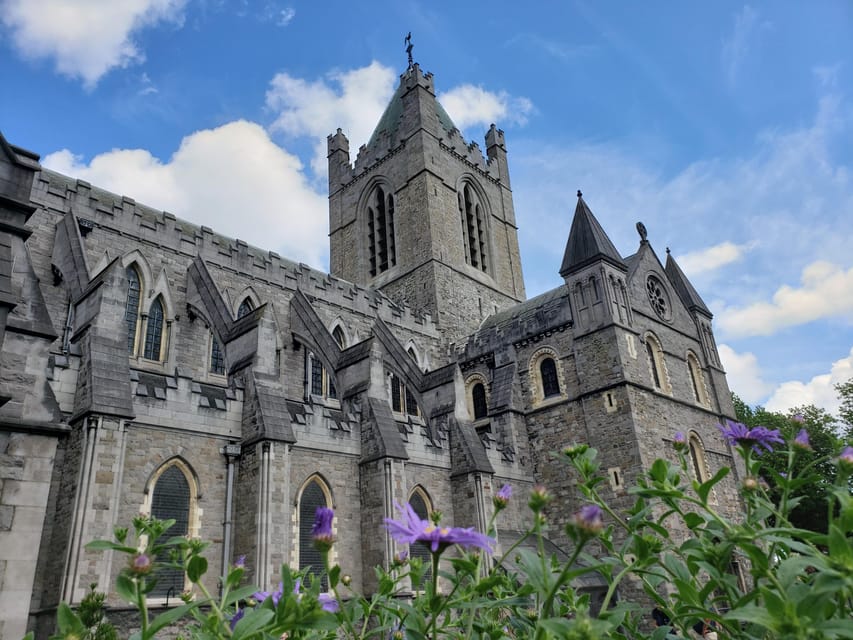
Christ Church Cathedral is one of the major stops, and it gives the walk a powerful sense of continuity. The cathedral is not just a beautiful church on a sightseeing checklist. It helps you consider how Dublin changed from a Norse settlement into a Christian medieval city with larger institutions and stronger links to political power.
The guide’s task here is to connect the visible building with the older city beneath and around it. You may hear about the Viking period, the later religious setting, and the way one part of Dublin can contain several centuries at once. The tour also points toward less obvious traces in the city’s foundations, which adds interest for anyone who enjoys seeing how old places survive beneath modern streets.
Do keep your expectations in check. The tour includes a guided visit to the area of Christ Church Cathedral, but the supplied details do not promise a long interior tour or admission to every part of the cathedral. Treat this stop as a historical anchor within the walking route, not as a substitute for a separate cathedral visit.
Saint Audoen’s and the older edge of the city
Saint Audoen’s is another stop where the route moves away from Dublin’s most familiar postcard views. Its place on the walk helps show how the old city extended beyond the best-known landmarks and how religious and civic life grew around the early settlement.
This is the kind of stop where a guide matters. Without explanation, an old church or street can be easy to pass with only a quick glance. With context, you can place it within the changing city and understand how Dublin’s built environment reflects different periods.
The walk is designed for people who want that explanation without spending several hours in a museum. You will hear about the Viking way of life and their influence on the island while staying connected to the streets around you. The guide’s clear, concise style is useful here, especially if you are new to Irish medieval history.
More walking routes in Dublin:
- 90 Minute Dublin Walking tour and Sightseeing tips
★ 5.0 · 916 reviews - 2-Hour Historical Walking Tour from Dublin
★ 5.0 · 875 reviews - Historical 2-Hour Guided Walking Tour of Dublin
★ 4.7 · 865 reviews - Dublin Traditional Irish 3 Course Meal Walking Tour with Local
★ 5.0 · 755 reviews
Fishamble Street and the working city

Fishamble Street is one of the more evocative points on the route because it helps you picture Dublin as a place of trade and movement. The tour describes the old paths where longships docked and markets developed, and this stop brings that idea down to street level.
You are not simply learning that Vikings arrived in Ireland. You are considering how a settlement worked: where goods moved, where people met, and how a town built around water could grow into a city. That practical focus makes the walk more engaging than a list of battles and rulers.
Fishamble Street also shows why a walking tour can offer something a map cannot. The guide can point out how the present route relates to the earlier city and explain details that are easy to miss on your own. You should not expect every original Viking structure to remain visible. The value is in linking the modern street to the older pattern of life.
Dublin Castle and the change in power
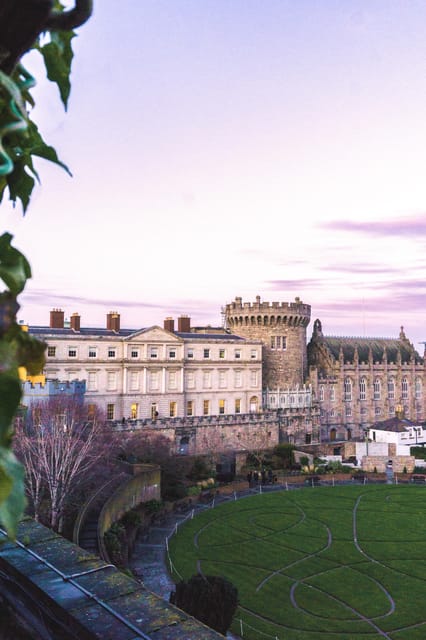
Dublin Castle broadens the story beyond the Viking settlement itself. By this point, the route has moved from arrival and trade toward authority, institutions, and the later development of Dublin as a center of power.
The guide uses the stop to help you understand how the city changed after the early Norse period. That wider view is important. Viking Dublin did not exist in isolation, and the city’s later identity grew from many layers of settlement and rule.
The castle is also a useful orientation point in central Dublin. If you are still getting your bearings, the stop connects the early city with a landmark many people visit for other reasons. The guide’s job is to keep the Viking theme in focus while showing how the city’s political story continued to develop.
Again, this is a walking stop rather than a promise of a full castle admission. If you want to tour the castle rooms, you should plan that separately. The walking tour provides the historical link and outside context within the 1.5-hour schedule.
The lesser-known stop and the final stretch
The itinerary includes a stop described simply as a hidden or lesser-known site. Since the exact place is not identified in the supplied details, you should regard it as a discovery within the route rather than plan around a named attraction.
That uncertainty can be part of the appeal. The walk is not limited to famous buildings. It aims to show traces and connections that may be easy to overlook, including foundations and quieter corners tied to Dublin’s early development. The guide fills in the missing pieces with stories and explanation.
The route is listed as finishing at Trinity College. Trinity gives the tour a convenient central endpoint, especially if you want to continue sightseeing, reach a café, or visit another major Dublin attraction afterward. However, the meeting information also says the activity ends back at the meeting point. Because those details do not match perfectly, confirm the final stopping place when you book.
A guide who treats the Vikings as people
The most praised part of the experience is the guiding. The guide is described as friendly, cultured, and particularly strong at explaining the period in a clear way. That matters because Viking history is often reduced to a handful of dramatic images: ships, weapons, raids, and helmets.
This tour takes a broader approach. You can expect attention to customs, culture, society, motives, and the effect of Viking settlement on Ireland. The guide also answers questions directly and uses anecdotes to keep the walk lively without losing the main thread.
The guide’s flexibility is another practical strength. When one participant had a minor health problem, the guide adapted. That does not tell you the exact pace or guarantee special arrangements for every need, but it suggests a considerate approach. The activity is also listed as wheelchair accessible, which makes it more usable for a wider range of visitors.
The tour is conducted in French. If French is your preferred language, that is a major advantage. If not, do not assume that an English explanation will be available. Language is the key booking decision here.
What $45 buys you in central Dublin
At $45 per person, this is not the cheapest way to spend 1.5 hours in Dublin. You can walk past many of the same central streets for free. The value comes from having the city interpreted for you, with a single guide connecting the Viking settlement, religious landmarks, streets, foundations, and later centers of authority.
I consider the price fair if you are genuinely interested in Dublin’s origins or want a focused introduction at the beginning of your visit. The route covers several important locations without requiring transport, and the guide adds the context you would otherwise need to assemble from separate books, signs, or museum visits.
The value is weaker if you prefer to set your own pace, spend a long time inside Christ Church Cathedral, or already know Dublin’s Viking story well. You are paying for the explanation and route, not for an extensive collection of admissions or a full-day archaeological program.
The free cancellation option up to 24 hours before the tour also makes planning easier. You can reserve now and pay later, which is useful when your Dublin schedule is still changing. Check available starting times before committing, since the exact departure time is not fixed in the information provided.
Who will enjoy this walk most
I would recommend this tour to:
- French-speaking visitors who want a clear introduction to Dublin’s early history
- First-time visitors who want to connect major central landmarks
- History fans who prefer streets and buildings to a purely indoor presentation
- Couples or small groups looking for a short, focused activity
- Visitors who appreciate a guide willing to answer questions and adjust when needed
You may want something else if you need an English-language tour, want extensive time inside each landmark, or prefer a self-guided walk. Families with children could enjoy the ship, markets, and Norse customs, but the supplied information does not give an age range or child-specific format.
Wear comfortable shoes and allow time to reach the Báite longboat sculpture. The route is on foot and includes several historic areas. Because the walk is only 1.5 hours, listen closely at each stop and save longer visits to Christ Church Cathedral, Dublin Castle, or Trinity College for before or after the tour.
Should you book Vikings in Dublin?
Book it if you want a short, French-language introduction to the people who helped shape Dublin, with a guide who explains more than raids and battles. The combination of Christ Church Cathedral, Saint Audoen’s, Fishamble Street, Dublin Castle, and Trinity College gives you a useful framework for exploring the city afterward.
Skip it if you need English, want a full interior tour of the major landmarks, or prefer to wander without a set route. For the right audience, $45 is a sensible price for a focused guide, thoughtful historical context, and a fresh way to read Dublin’s oldest streets.
FAQ
Where does the Vikings in Dublin walking tour start?
The tour starts at the Báite Viking longboat sculpture by Betty Newman Maguire, created in 1988.
Where does the tour finish?
The route information lists Trinity College as the final stop. The meeting information also says the activity ends back at the meeting point, so confirm the final location when booking.
How long does the walking tour last?
The tour lasts 1.5 hours.
What language is the tour conducted in?
The live guided tour is conducted in French.
Is the tour wheelchair accessible?
Yes, the activity is listed as wheelchair accessible.
What places are included on the route?
The route includes the Báite longboat sculpture, a secret or lesser-known stop, Christ Church Cathedral, Saint Audoen’s, Fishamble Street, Dublin Castle, another lesser-known stop, and Trinity College.
Does the tour include Christ Church Cathedral?
Yes, Christ Church Cathedral is a guided stop on the route. The available details do not specify the length of the interior visit or admission arrangements.
How much does the tour cost?
The listed price is $45 per person.
Can I cancel for a full refund?
Yes. You can cancel up to 24 hours in advance for a full refund. You can also reserve now and pay later.
Just added around Dublin
- Gin School, distill you own gin, cocktails, tastings, food★ 5.0 · 8 reviews
- Dublin : Street Art Walking Tour★ 5.0 · 3 reviews
- Dublin: Personal Photographer- Travel Photography Experience★ 4.5 · 8 reviews
- Dublin: Skip-the-line Book of Kells & Old Town Private Tour★ 5.0 · 6 reviews
- Dublin: Howth Coastal Craft Beer and Seafood Tour★ 5.0 · 62 reviews
- Dublin: Silent Disco Walking Tour★ 4.9 · 21 reviews
- Dublin: Private Tour of City Monuments in Spanish★ 5.0 · 6 reviews
- Dublin: Pub Tour. Pour The Perfect Guinness, Whiskey & Music★ 5.0 · 3 reviews
Walking Tours, compared.
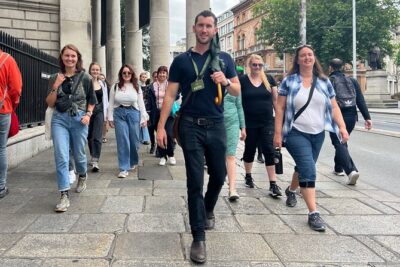
Dublin Highlights and Hidden Gems Guided Walking Tour
Read our review →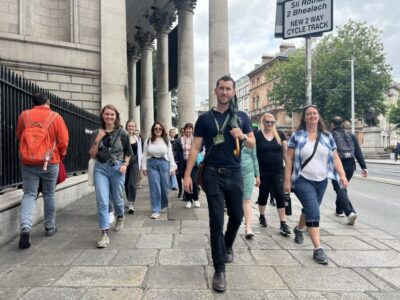

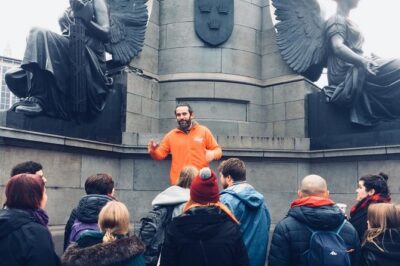
90 Minute Dublin Walking tour and Sightseeing tips
Read our review →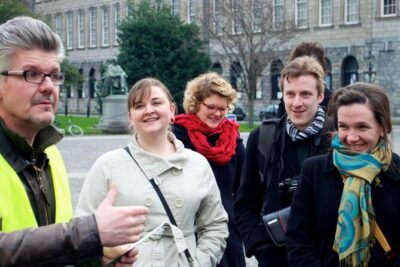

Dublin Traditional Irish 3 Course Meal Walking Tour with Local
Read our review →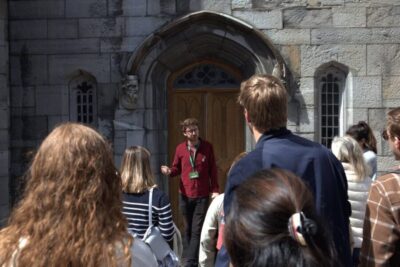
Browse the lists this tour appears in