

Reviewed · TOURS IN DUBLIN
Dublin: Windmill Lane Recording Studios Tour
Windmill Lane is not a museum filled with old instruments. It is a working recording studio, where the walls, control rooms, and live spaces still connect to the making of modern music. In one hour, you move from Irish music history to the nuts and bolts of recording, with examples that let you hear what the equipment actually does.
I like two things especially: the chance to see Studio 1, the building’s largest and most famous space, and the guides’ practical approach. Aidan, Maeve, Zara, Stefan, and other music professionals have explained the studio in a relaxed, hands-on way. The one drawback is access. This is a protected three-story building with no lift, and the tour is not suitable for wheelchair users or people with limited mobility.
Key points before you book
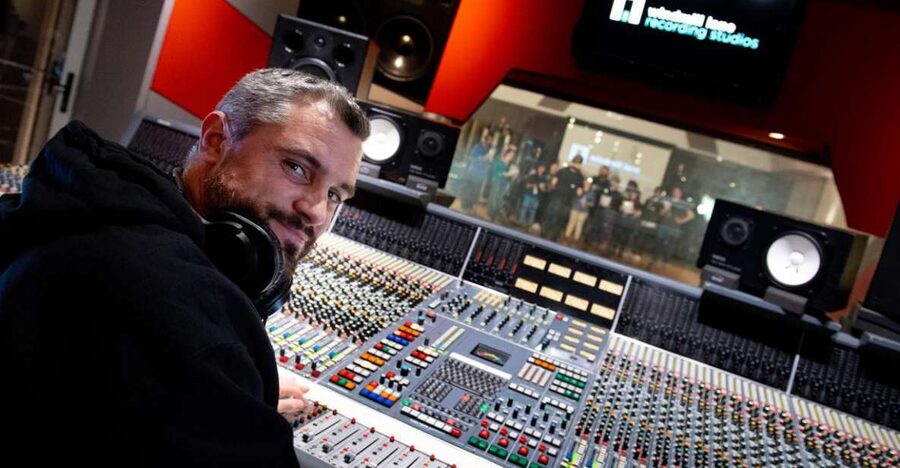
- Studio 1 puts the scale of recording into perspective: You see the room where major Irish and international acts have worked, rather than simply viewing equipment behind glass.
- The tour explains sound instead of only naming famous artists: You learn how performances are recorded, mixed, and shaped with older and newer technology.
- The 360-degree audio demonstration is the standout listening moment: A commissioned binaural recording creates sound that seems to move around you, especially with your eyes closed.
- The guides make the difference: Aidan, Maeve, Zara, Maria, Ian, Ross, and Stefan have all been praised for combining technical skill with humor and an easy manner.
- Small-group visits can feel personal: You may get to sit at the mixing console, try parts of the equipment, and ask questions at your own level.
- Book ahead and travel light: Tours run only on designated dates and times. Cameras and large bags are not allowed.
Behind the famous metal doors
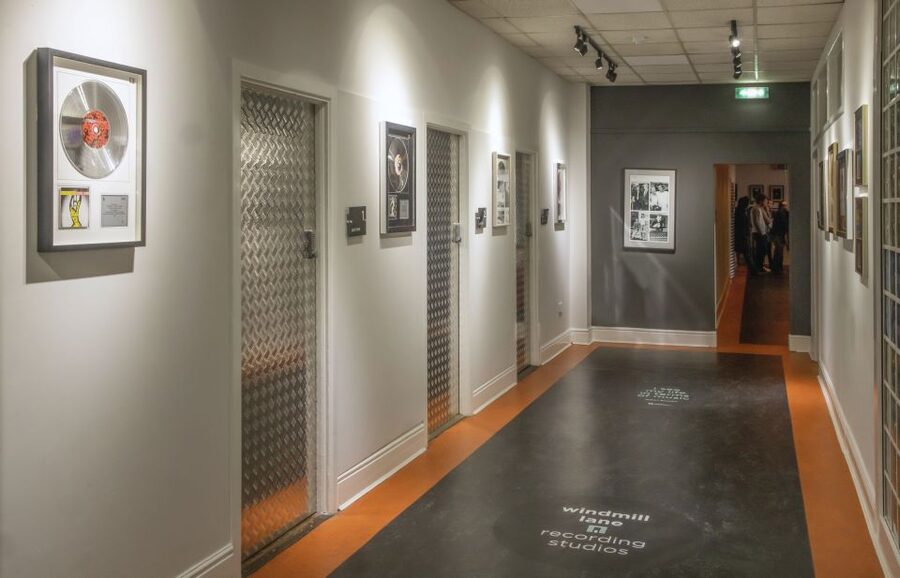
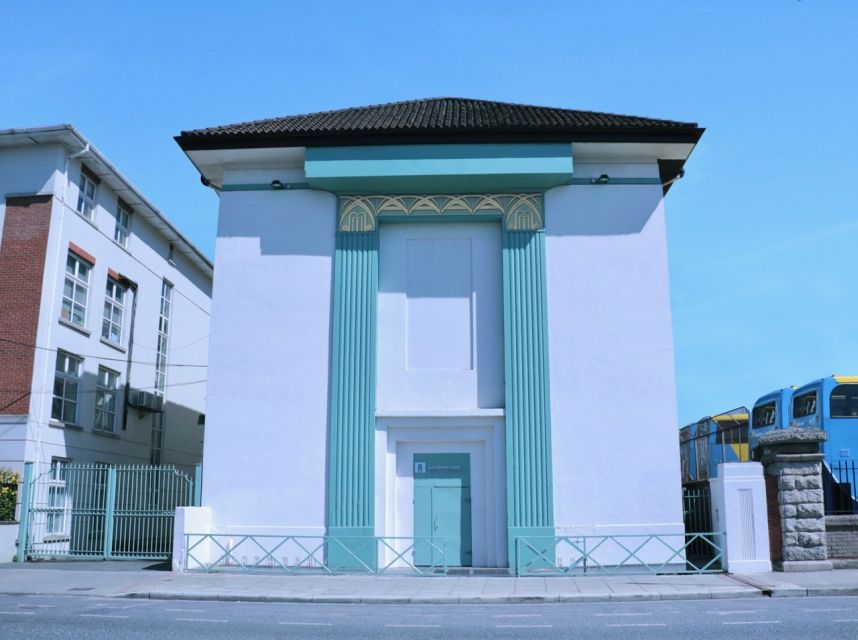
The entrance at Windmill Lane has a certain Dublin music mystique. It is not a grand public hall, and you should not expect to wander in during a free afternoon. This is an active studio, so your booking time matters.
Once inside, the tour places the building’s story in context. Windmill Lane began making music history in 1978, during a period when Ireland’s recording industry was finding a stronger voice. Since then, the studios have been used by Irish acts and international artists, including U2, The Cranberries, Hozier, Westlife, Riverdance, Lady Gaga, Kylie Minogue, The Rolling Stones, Metallica, The Spice Girls, and Ed Sheeran.
The artist list is fun, but it is not the whole point. The better question is what the studio staff did to help those records happen. A good guide shifts the focus from celebrity names to the people working behind the glass: engineers, producers, musicians, and technicians who shape a raw performance into something you later hear on headphones, radio, or a film soundtrack.
That human angle makes the visit work for more than devoted music fans. If you do not know a mixing desk from a microphone preamp, you can still follow the basic story. If you study music production, you get a clearer look at the tools and working spaces behind the finished tracks.
Other days out people book from Dublin:
- Dublin to Cliffs of Moher, including Wild Atlantic Way and Galway
★ 5.0 · 23,331 reviews - From Dublin: Cliffs of Moher, Burren & Galway City Day Tour
★ 4.8 · 18,888 reviews - Dublin: Guinness Storehouse Entry Ticket
★ 4.6 · 16,863 reviews
Studio 1 and the rooms where records took shape
The main physical reward is a look inside Studio 1. The room gives you a sense of why recording spaces matter. Sound is not created only by a singer or guitarist. The size of a room, its surfaces, the position of a microphone, and the way a producer captures the performance all affect the final result.
Your guide explains how musicians perform in the live room while engineers listen and make decisions from the control room. You hear a recording of a band playing in the live room, with the guide breaking down what is happening. This is far more useful than a quick photo stop because you can connect the room to the recording process.
The tour may also include Studio 3 and access to the engineers’ chairs at the mixing desk. One of the most appealing details is the chance to sit at the large console and see the tools from the position normally occupied by the people shaping the sound. You may also get opportunities to try some of the equipment, depending on the visit and the working needs of the studio.
Do not expect every part of the building to operate like a standard attraction. Windmill Lane remains a place where music is recorded, so access can depend on what is happening on the day. That working character is part of the appeal, but it also means the route is not designed as a fully open-ended building tour.
From early recording gear to computer software
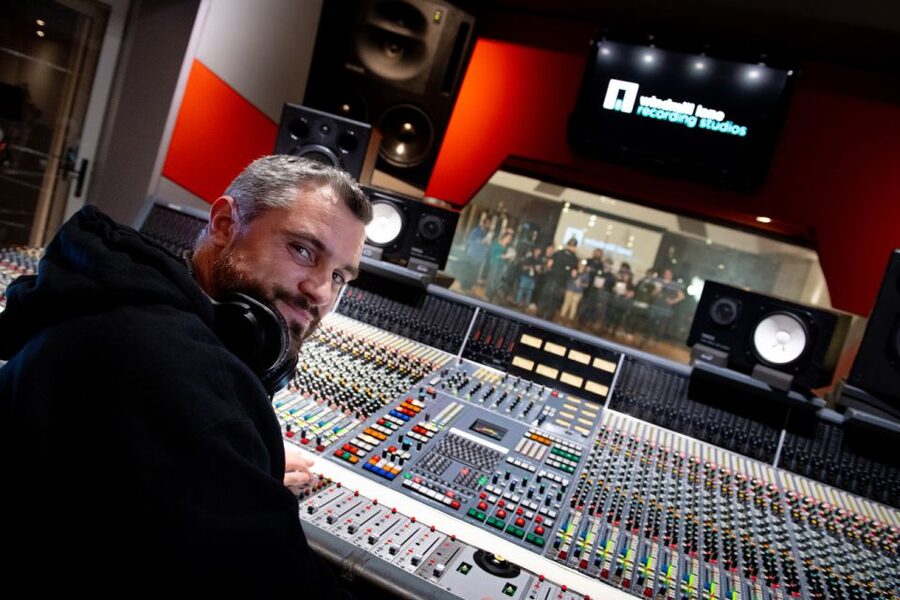
The tour traces the change from early recording devices to modern computer-based systems. This section gives the visit its practical backbone. Instead of treating technology as a display of expensive machinery, the guide shows how each stage changed what musicians and producers could do.
Older recording methods demanded careful planning. There were limits on how many sounds could be captured and how much could be changed later. Modern software offers much more control, but the basic challenge remains: capture a strong performance, make useful choices, and help the music reach the listener clearly.
The demonstrations are pitched to the group. Stefan, for example, was praised for adjusting his explanations to different levels of experience. That matters in a mixed group. A university student studying music production may want technical detail, while a first-time studio visitor may need the basics explained without jargon.
The best guides also invite questions rather than reciting a fixed script. Aidan has been especially appreciated for his stories, warmth, and ability to explain how songs are made. Maeve has been praised for a thoughtful, welcoming approach, while Zara and Aidan have been noted for bringing strong knowledge and good humor to the visit. Guide names and exact styles vary, but the experience benefits from having working musicians and producers lead it.
Listening to the live room and 360-degree sound
The tour’s strongest sensory section comes when you stop looking at equipment and start listening. You hear a band performance recorded in the live room while the guide explains how the sound was captured.
That demonstration helps you understand the difference between hearing a finished song and hearing the building blocks behind it. A recording is not simply a musician pressing play. It involves microphone placement, room acoustics, performance choices, mixing, and careful listening.
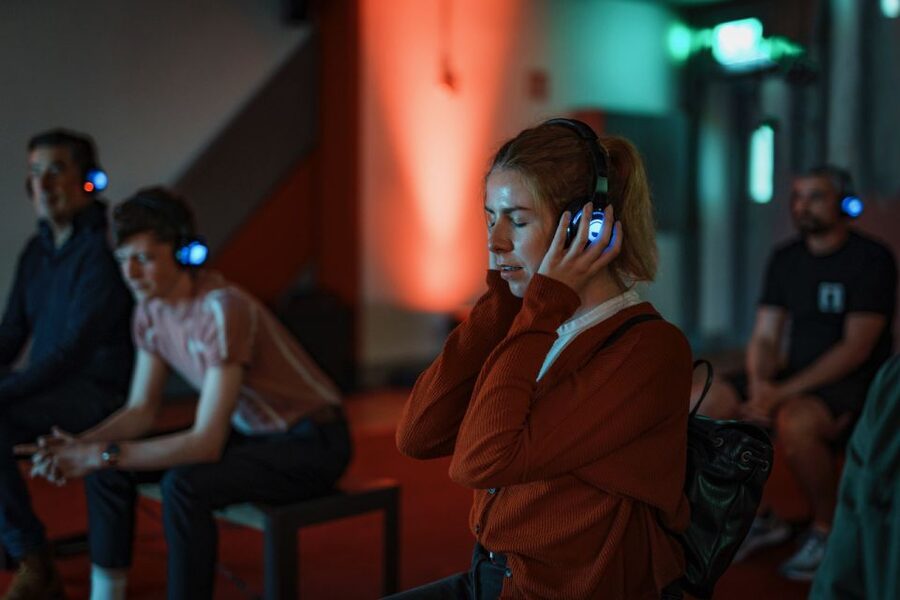
Near the end, you hear a commissioned binaural recording designed to create 360-degree sound. The effect is best appreciated with your eyes closed, when you can focus on where the sound seems to come from. A number of visitors particularly enjoyed this moment, along with a voice-tone alteration demonstration.
This is a smart choice for a short tour. You do not need a technical background to notice the change. You hear the same basic idea from a listener’s point of view: recording technology can alter the sense of space, direction, and character in a sound.
Same base, a very different sort of day:
- Dublin to Cliffs of Moher, Burren, Wild Atlantic Way, Galway Tour
★ 5.0 · 12,924 reviews - Dublin to Belfast Black Cab, Dunluce Castle and Giant’s Causeway
★ 5.0 · 7,954 reviews - Kilkenny, Wicklow Mountains & Glendalough Day Tour from Dublin
★ 5.0 · 7,897 reviews - From Dublin: Wicklow Mountains, Glendalough & Kilkenny Tour
★ 4.8 · 6,235 reviews
Autographs, awards, and the human side of the studio
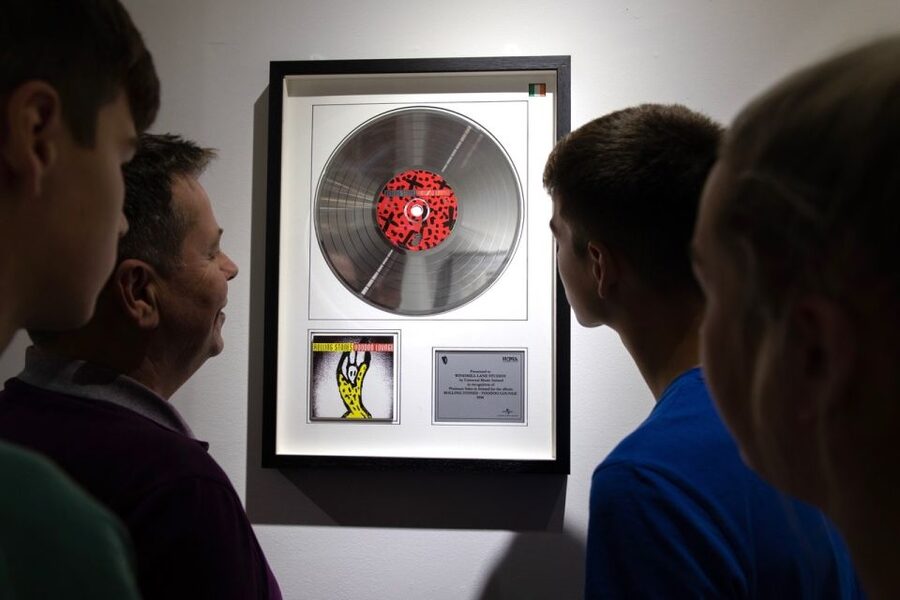
Windmill Lane also has the kind of visual details that give the tour personality. A wall covered with artist autographs is a favorite stop, especially if you enjoy tracing the people who have passed through the building. Depending on the group, children may be allowed to add their own mark, though the experience is not suitable for children under five.
Gold and platinum records, Grammy awards, and other music memorabilia help connect the working rooms to the finished careers of the artists who recorded there. These displays are not a substitute for the tour, but they add context. You see the result of the work after learning about the process that produced it.
The balance is important. A studio tour can easily turn into a list of famous names. Windmill Lane is more successful when the memorabilia supports the technical explanation rather than replacing it. You get both the fan appeal and a better idea of how the industry functions.
The building itself adds to the experience. It is a historic, protected three-story property, so it feels like a real workplace shaped over time rather than a newly built attraction designed only for sightseeing. That also explains the stairs and limited access.
Is one hour enough for $25?
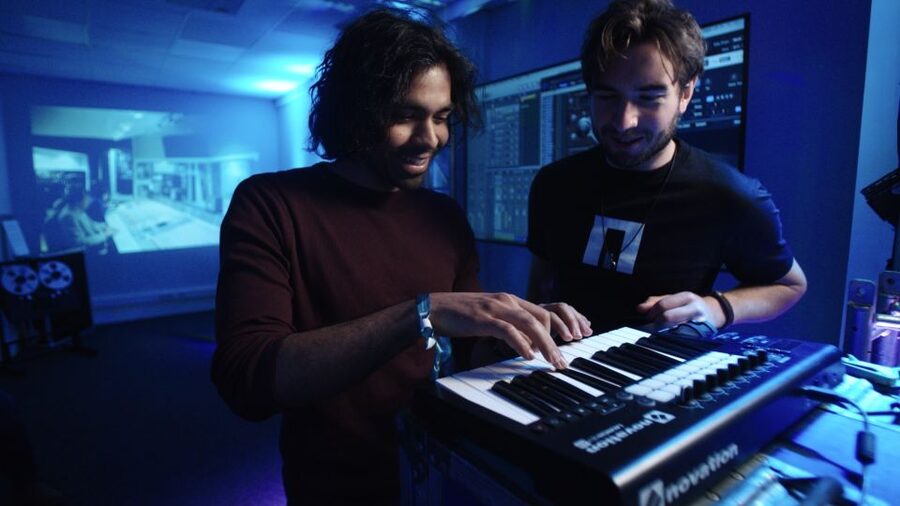
At $25 per person, this is not the cheapest way to spend an hour in Dublin, but the price is fair if you care about music, production, or Irish cultural history. You are paying for access to a working studio and a guide who can explain both the building and the craft.
The value is strongest when you take part. Ask questions. Listen closely during the live-room example. Try the equipment if invited. Sit at the mixing console and notice how different the space feels from the audience side of a concert.
The tour is less valuable if you want a broad Dublin sightseeing experience. You will not see multiple city landmarks, eat or drink anything, or receive hotel transportation. The entire activity begins and ends at Windmill Lane, and the studio has no food or drink for sale.
That limitation is easy to manage. The building is centrally located near convenience stores, cafés, and restaurants, so you can place the tour between other plans. Allow time to arrive before your booked start, since late entry may be difficult in a working facility.
The one-hour length is also useful. It fits neatly into a morning or afternoon and leaves room for a museum, lunch, or an evening music session. At the same time, the short schedule means the guide has to keep things moving. You should not expect a long workshop in recording or a chance to produce a complete track.
Who will enjoy Windmill Lane most?
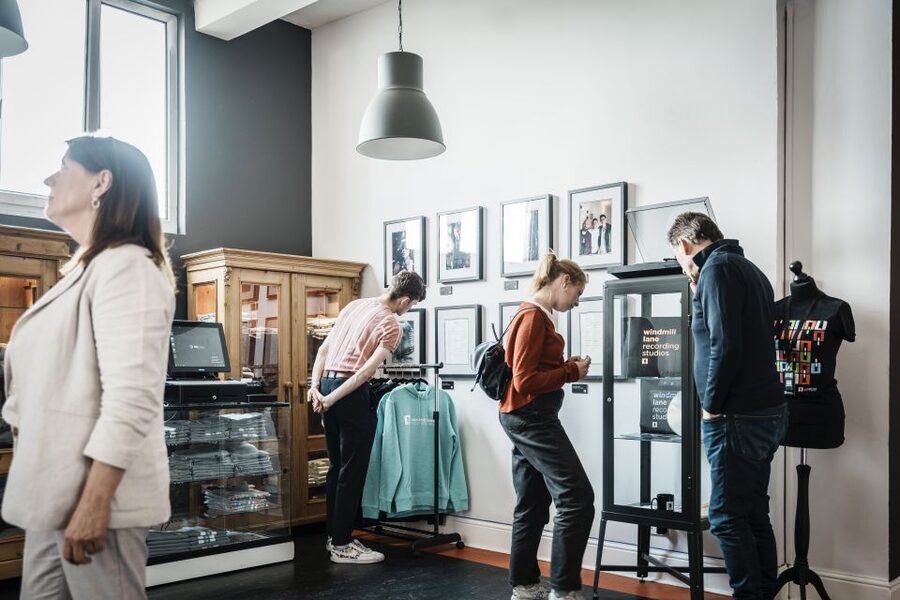
I would put this near the top of the list for:
- Music fans who want to connect familiar songs with a real Dublin recording space
- People interested in U2, The Cranberries, Hozier, Riverdance, or the international acts linked with the studio
- Students and hobbyists curious about recording, mixing, and studio technology
- Families with children aged five and older who can manage stairs and enjoy hands-on demonstrations
- Anyone looking for an indoor Dublin activity with a clear one-hour commitment
You do not need to be an expert. The guides explain the equipment in a way that can work for beginners, while the technical material gives experienced listeners something to consider.
I would think twice if you have limited mobility, use a wheelchair, or find three-story buildings and stairs difficult. The protected building has limited access and no lift. Cameras and large bags are not permitted, so bring only what you need.
The activity is also not a general attraction with continuous opening hours. Tours take place only at designated dates and times, and advance booking is essential. The free cancellation policy allows you to cancel up to 24 hours before the tour for a full refund, and the reserve-now, pay-later option can help if your Dublin schedule is still changing.
Making the most of your visit
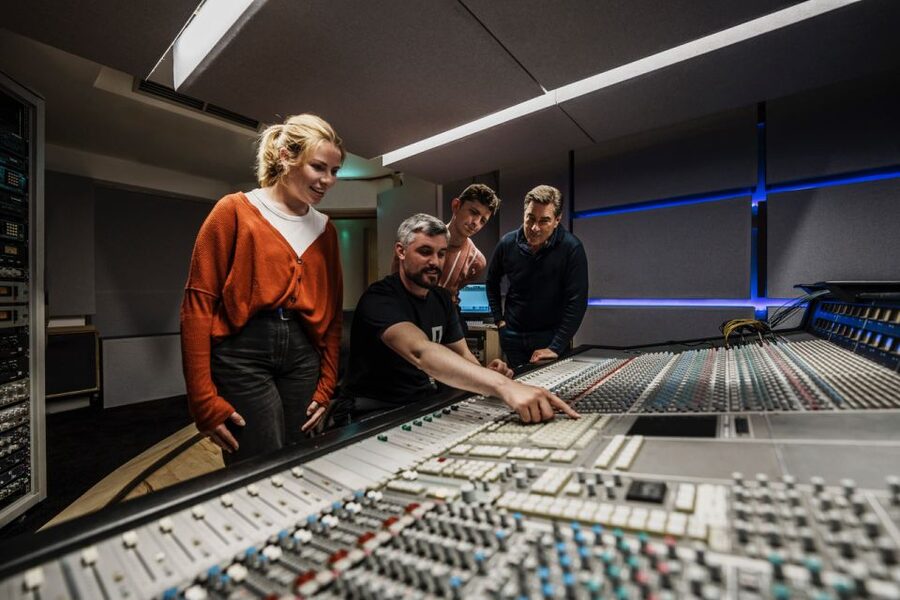
Arrive ready to listen rather than simply take photographs. Cameras are not allowed, so your attention will be better spent on the guide’s explanations and the audio demonstrations.
If you have a favorite artist connected with Windmill Lane, mention it. The group discussions can move toward favorite songs and recording choices, and the guides are comfortable handling different interests. Aidan’s storytelling, Maeve’s careful explanations, Maria’s welcoming manner, and Stefan’s ability to adjust technical detail have all helped make the tour feel personal.
Wear something comfortable for a three-story historic building. The tour requires a moderate level of physical fitness, and there is no lift. Since food and drink are not available inside, plan a café stop before or after.
Most of all, keep your expectations realistic. You are not promised a recording session with a famous performer. You are getting an informed look at the rooms, equipment, methods, and people that have helped create music over several decades.
Should you book the Windmill Lane tour?
Book it if music is part of the reason you came to Dublin, or if you want to understand how a song moves from performance to finished recording. The live-room example, Studio 1, mixing console, artist wall, and 360-degree audio demonstration give the hour enough variety to feel substantial.
I would especially recommend it to anyone studying music production or traveling with someone who always asks how a song was made. You may not know every artist named during the tour, and you do not need to. The guides make the technical side accessible, and the building gives the story a real sense of place.
Skip it if you want a major landmark, a long sightseeing route, or easy step-free access. For the right audience, though, $25 buys something unusual: a close look at Dublin’s recording world, led by people who understand the work behind the music.
FAQ
Where does the Windmill Lane Recording Studios tour start and end?
The tour starts at Windmill Lane Recording Studios and ends back at the same meeting point.
How long does the tour last?
The tour lasts one hour. Starting times vary, so check availability when booking.
What language is the tour in?
The live guided tour is conducted in English.
Is Windmill Lane Recording Studios a regular walk-in attraction?
No. It is a working recording studio, and tours operate only on designated dates and times. Advance booking is essential.
Can I bring a camera or large bag?
No. Cameras and luggage or large bags are not allowed.
Is the tour suitable for wheelchair users or people with mobility impairments?
No. The studio is in a protected three-story building with limited access and no lift facilities. A moderate level of physical fitness is required.
Can I cancel the booking?
Yes. You can cancel up to 24 hours in advance for a full refund. The reserve-now, pay-later option lets you book without paying immediately.
Just added around Dublin
- Gin School, distill you own gin, cocktails, tastings, food★ 5.0 · 8 reviews
- Dublin : Street Art Walking Tour★ 5.0 · 3 reviews
- Dublin: Personal Photographer- Travel Photography Experience★ 4.5 · 8 reviews
- Dublin: Skip-the-line Book of Kells & Old Town Private Tour★ 5.0 · 6 reviews
- Vikings In Dublin (Walking Tour)★ 5.0 · 8 reviews
- Dublin: Silent Disco Walking Tour★ 4.9 · 21 reviews
- Dublin: Howth Coastal Craft Beer and Seafood Tour★ 5.0 · 62 reviews
- Dublin: Private Tour of City Monuments in Spanish★ 5.0 · 6 reviews
Tours in Dublin, compared.

Dublin to Cliffs of Moher, including Wild Atlantic Way and Galway
Read our review →
Cliffs of Moher, Burren & Galway City Day Tour
Read our review →

Dublin to Cliffs of Moher, Burren, Wild Atlantic Way, Galway Tour
Read our review →
Dublin to Belfast Black Cab, Dunluce Castle and Giant’s Causeway
Read our review →
Kilkenny, Wicklow Mountains & Glendalough Day Tour from Dublin
Read our review →
Wicklow Mountains, Glendalough & Kilkenny Tour
Read our review →
Browse the lists this tour appears in