
Reviewed · TOURS IN DUBLIN
The Dublin Ghostbus Tour
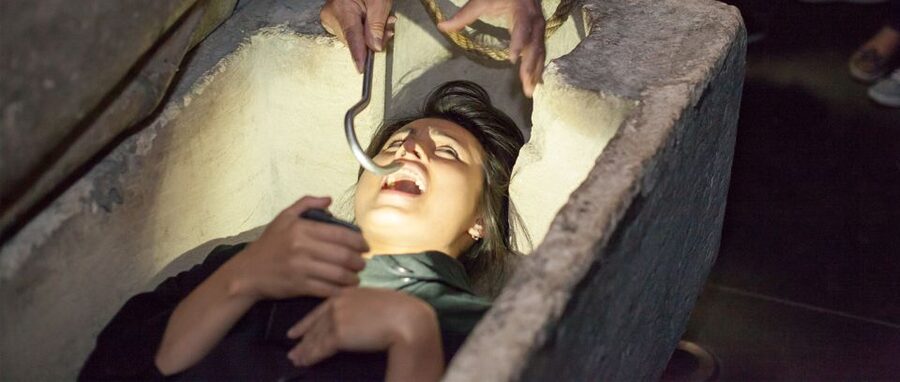
Dublin’s Ghostbus is not simply a ride past old buildings. It is part bus tour, part Victorian horror show, and part theatrical comedy, with a live storyteller leading you through felons, phantoms, graveyards, and the darker corners of the city. You’ll hear about Bram Stoker, the Dublin-born creator of Dracula, then leave the bus to explore places tied to grim local tales.
I like the strong guide-and-driver team, since the best pairings, including Edgar with Francis or Tyrone and Finn with Franklin, turn the evening into a real performance. I also like the mix of history and humor. You get gruesome stories, pop quizzes, demonstrations, and jump scares rather than a dry lecture. The main drawback is that it is not suitable for children under 14 or wheelchair users, and the theatrical scares may be too much for anyone seeking a quiet sightseeing ride.
Key points to know before you book
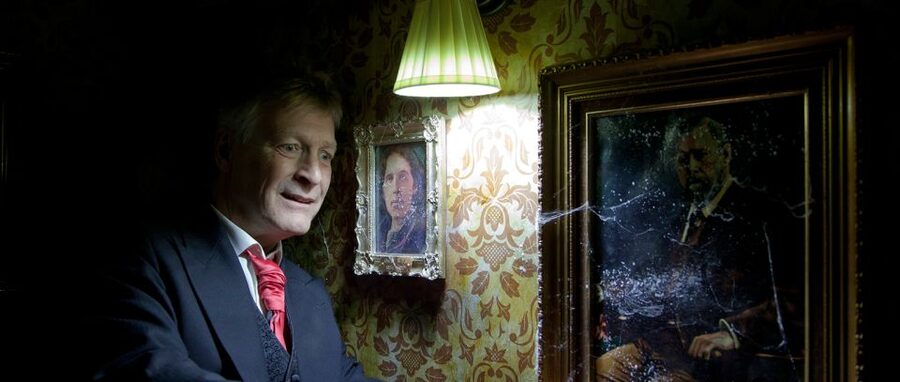
- Bram Stoker gets more than a passing mention: You learn about Dracula’s Dublin-born creator and the real origins behind the famous character.
- The tour leaves the bus: You visit the Hellfire Clubroom, its haunted museum, St. Kevin’s Graveyard, and the old St. Audeon’s Steps area.
- The mood is spooky but playful: Expect comedy, audience participation, quizzes, demonstrations, and at least one opening jump scare.
- The guides carry the experience: Edgar, Finn, Shelley, Nicholas, Anton, and others have all been praised for lively storytelling and comic timing.
- The $40 price buys an evening show as well as transport: It is strongest for visitors who want entertainment, not just facts.
- Plan for a two-hour English-language experience: Check the available starting time, and remember that children under 14 and wheelchair users cannot take part.
A Ghostbus that feels more like a theatre than a sightseeing coach
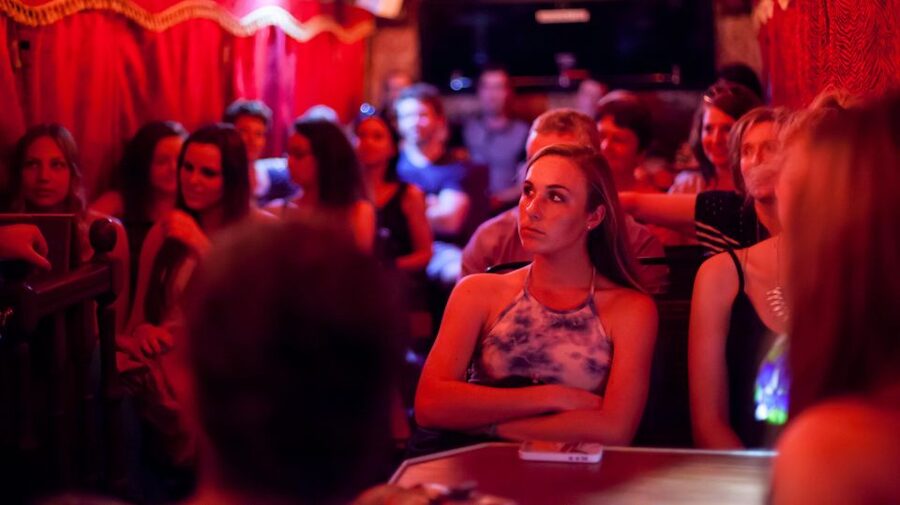
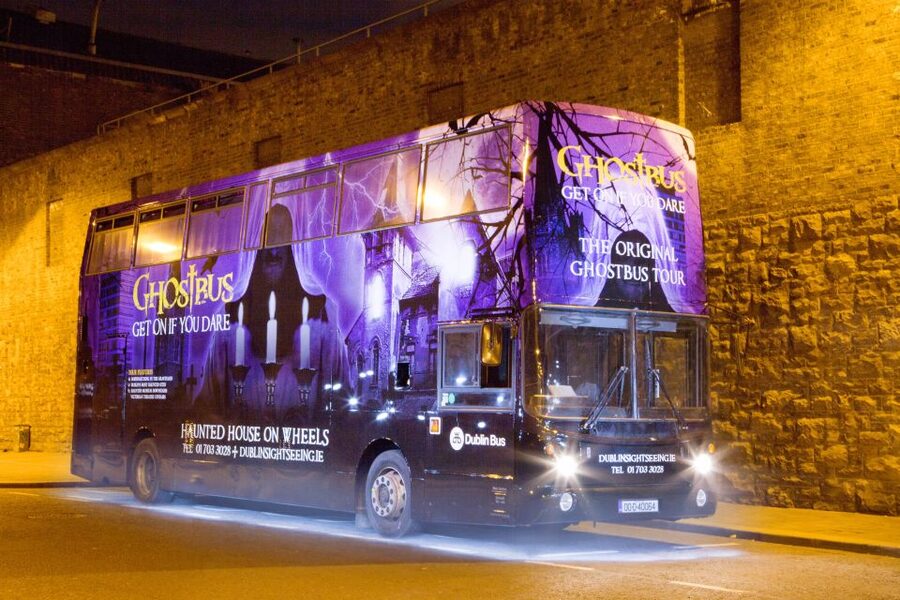
The Dublin Ghostbus uses the city as its stage. You sit inside a specially decorated bus while a guide and driver work together to tell stories of murder, madness, punishment, and supposed hauntings. The setting matters: instead of hearing every tale in a standard tour vehicle, you move through Dublin at night with blood-red velvet curtains, theatrical lighting, and a guide committed to the role.
The bus is divided into different moods. The upstairs Victorian Theatre provides the main performance space, while the downstairs Hellfire Clubroom and haunted museum add a more intimate stop. This gives the two-hour trip a sense of progression. You are not simply listening to one long speech while looking out the window.
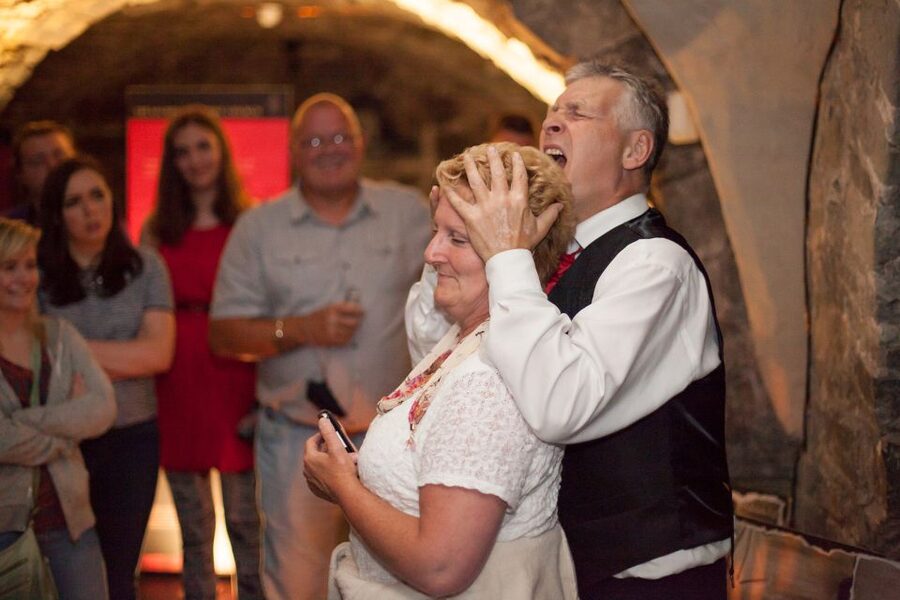
The tone is deliberately theatrical. The guide may frighten you, then undercut the moment with a joke. You might be asked to take part in a quiz or watch a demonstration. That balance is important because the stories can be grim. The evening works best when you enjoy a little camp with your historical facts.
The guide is the key variable. Names praised for their energy and delivery include Edgar, Finn, Shelley, Nicholas, Anton, Reagan, and Prospero. Drivers such as Francis, Franklin, Tyrone, Ty, Charles, and Richie have also been singled out for adding humor and useful comments. Your exact team will depend on the date, but you should expect two people sharing the work: one storyteller and one driver.
Other days out people book from Dublin:
- Dublin to Cliffs of Moher, including Wild Atlantic Way and Galway
★ 5.0 · 23,331 reviews - From Dublin: Cliffs of Moher, Burren & Galway City Day Tour
★ 4.8 · 18,888 reviews - Dublin: Guinness Storehouse Entry Ticket
★ 4.6 · 16,863 reviews
The Hellfire Clubroom and haunted museum
One of the first major stops is the Hellfire Clubroom, with a haunted museum downstairs. The name refers to the sinister world of secret clubs, devilish games, and bad behavior that supplies much of the tour’s atmosphere. The stop is designed to feel like an encounter rather than a conventional museum visit.
The unusual touch is the invitation to play a hand of cards with the devil himself. You should not expect a quiet display of objects with long written explanations. The point is the guided performance, where the room, the props, and the story work together.
This stop is valuable because it breaks up the bus ride. You get a chance to leave your seat, see a setting connected to the evening’s themes, and experience the tour at close range. Several parts of the tour are kept as surprises, so I would avoid trying to find a full plot summary before you go. The fun comes partly from not knowing what happens next.
The downstairs setting may feel enclosed and theatrical. If you dislike sudden effects or spooky role-play, keep that in mind. The tour clearly aims to put you on edge, but its comedy keeps the mood from becoming relentlessly bleak.
Bram Stoker, Dracula, and Dublin’s darker literary side
The Bram Stoker section gives the evening a useful historical anchor. Stoker was born in Dublin and later created Dracula, one of the best-known figures in Gothic fiction. The tour connects the writer’s Dublin background with the broader ideas of fear, disease, death, and the supernatural that shaped his work.
This is one of the strongest parts for anyone who wants more than a haunted-house show. You are not just being told that Dublin is spooky. You are given a link between the city and a piece of world literature. The tour also promises the real origins of Dracula, which adds context to a story many people know only through films and popular culture.
The storytelling style matters here. Guides such as Finn and Edgar have been praised for making historical information easy to follow without losing the comic pace. Anton has also been noted for mixing facts with entertainment, even offering a Bram Stoker book as part of a quiz. Details like that make the material easier to remember.
I would not book this as a specialist literary tour. Bram Stoker is one thread in a larger evening, not the whole subject. If your main goal is a detailed study of Stoker’s life, you will need another experience. If you want a lively introduction to his Dublin connection, this tour gives you one without slowing the show.
St. Kevin’s Graveyard and the darker stories of Dublin
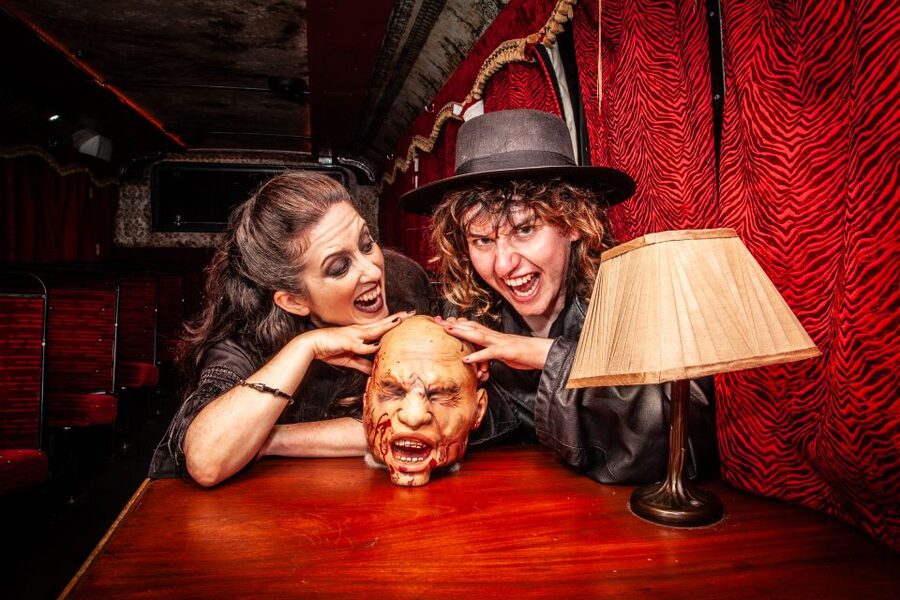
The visit to St. Kevin’s Graveyard brings the tour into more openly grim territory. Graveyards carry a different mood from a decorated bus: the setting itself does much of the work, and the stories of death, crime, and alleged hauntings feel more immediate when you are standing among old burial places.
The stop is described as a place where more grisly dealings are revealed. Expect the guide to focus on disturbing tales rather than gentle folklore. The presentation remains light enough to include humor, but the subject matter can involve violence and death. This is not a family ghost story built around harmless legends.
Leaving the bus also gives you a better sense of Dublin’s old city spaces. You can compare the modern streets around you with the remains of older sites. The tour does not treat the city as a polished postcard. It points toward the corners where punishment, poverty, crime, and religious life shaped daily experience.
You should wear something suitable for a two-hour evening outing, though the available information does not specify a dress code or walking distance. The important point is that this is not a ride where you remain seated from start to finish. The tour includes visits outside the bus, so be prepared for short periods on foot.
Same base, a very different sort of day:
- Dublin to Cliffs of Moher, Burren, Wild Atlantic Way, Galway Tour
★ 5.0 · 12,924 reviews - Dublin to Belfast Black Cab, Dunluce Castle and Giant’s Causeway
★ 5.0 · 7,954 reviews - Kilkenny, Wicklow Mountains & Glendalough Day Tour from Dublin
★ 5.0 · 7,897 reviews - From Dublin: Wicklow Mountains, Glendalough & Kilkenny Tour
★ 4.8 · 6,235 reviews
Darky Kelly and the 12th-century St. Audeon’s Steps
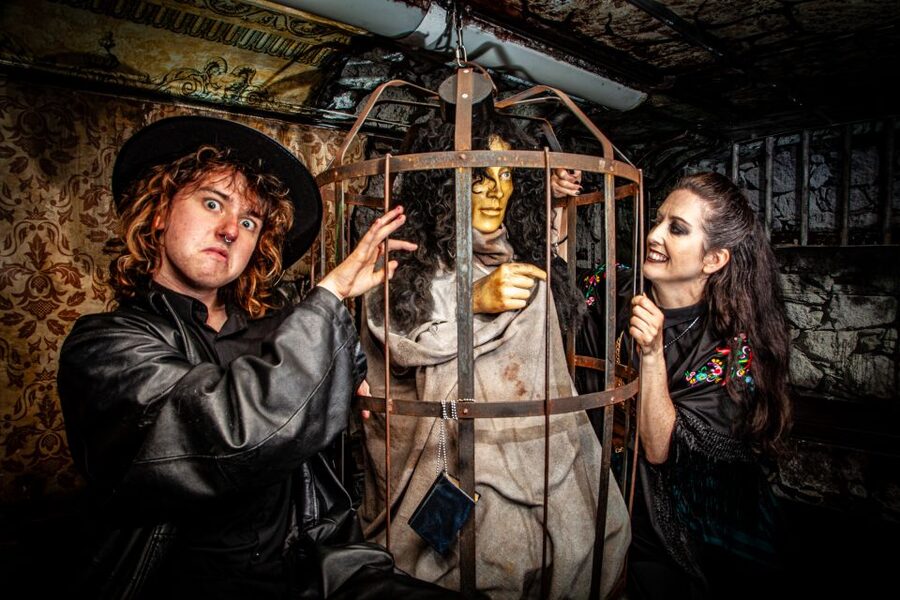
Another major story concerns Darky Kelly, described as the madame of Dublin’s notorious Maiden Tower. According to the tale presented on the tour, her ghost is said to wander restlessly. Her story adds a personal figure to the evening’s broader collection of crimes, legends, and haunted places.
This section works because it gives the tour a named character with a strong connection to Dublin. Rather than hearing only general talk about ghosts, you follow the fate of one person and the setting associated with her. The guide’s delivery is especially important here, and the Irish storytelling style is part of the appeal.
The itinerary also includes St. Audeon’s Steps, a hidden city-center graveyard site dating to the 12th century. That is a striking contrast to Dublin’s main tourist routes. You may pass close to old places without noticing them during an ordinary day, while this tour directs your attention to the city’s less obvious remains.
Do not expect every location to function like a formal attraction with a large visitor center or extensive displays. The value is in being brought to the site and hearing the story in place. The physical setting is a prompt for the imagination, while the guide supplies the context.
Why the guide matters so much
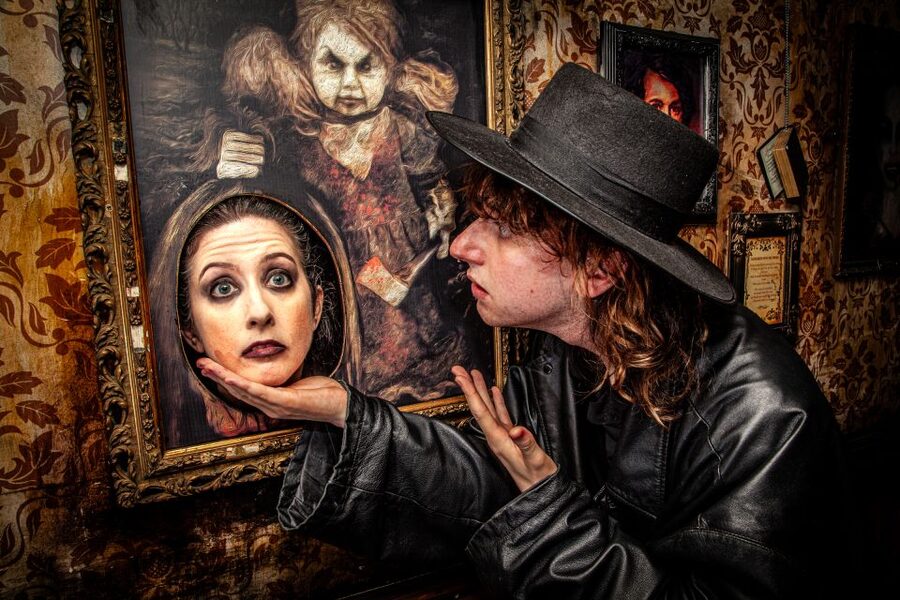
The most repeated praise goes to the people leading the tour. Edgar is described as funny, informative, and highly energetic. Finn is praised for making Dublin’s history entertaining and captivating. Shelley is noted for combining strong facts with humor, while Nicholas is remembered for his storytelling and Irish delivery.
That range tells you what to look for. The tour depends less on a fixed audio recording and more on the person standing in front of you. A good guide can make a familiar ghost story feel fresh, keep a group involved, and move smoothly from a joke to a grim fact.
The driver is not just background support. Francis, Franklin, Tyrone, Ty, Charles, and Richie have all been credited with adding useful information, comic timing, or an extra bit of character. The two-person format helps the bus feel like a small show, with the guide and driver playing off each other.
The style is not subtle. You may get a loud reaction from the group when a surprise arrives, and one account specifically highlights an opening jump scare. If you want calm commentary with long stretches of quiet viewing, choose a standard city tour instead. If you enjoy a host who stays in character and keeps the room involved, this is where the $40 begins to make sense.
What $40 means in practical value
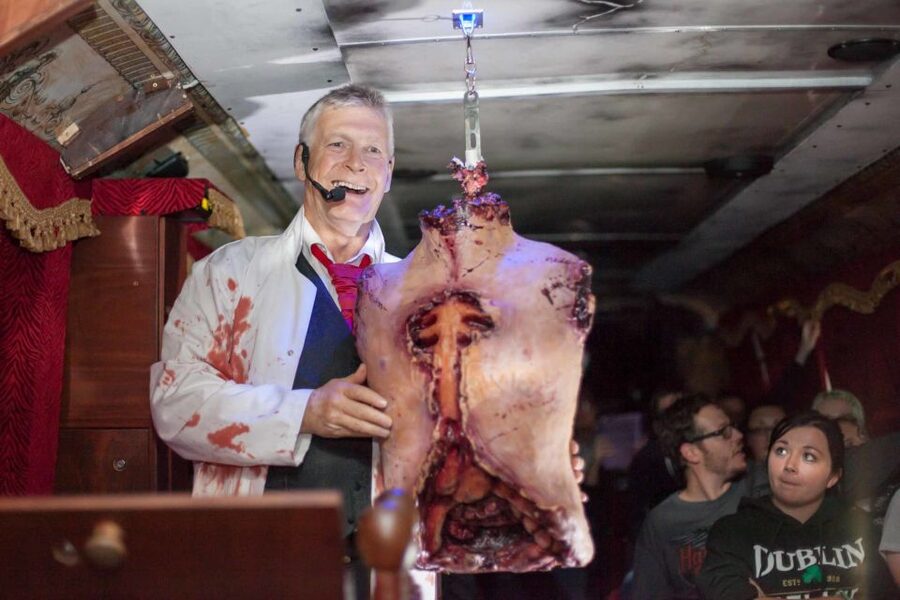
At $40 per person, the Ghostbus costs more than a basic sightseeing ride. You are paying for a two-hour English-language performance, a live guide, a decorated bus, stops outside the vehicle, and access to places and rooms tied to the tour’s stories.
The value depends on what you want from Dublin. If you measure a tour by the number of landmarks photographed, this may not be the best use of your money. The focus is atmosphere, storytelling, and unusual history rather than a broad survey of major attractions.
I think the price is fair for an evening activity if you enjoy theatre and dark folklore. You get more than transportation because the guide keeps the experience moving with quizzes, demonstrations, jokes, and audience participation. The outside stops also give the tour more substance than a bus ride that never opens its doors.
The tour is especially useful on a rainy or dark Dublin evening, though the supplied information does not promise a particular weather policy or departure time. Check availability before booking, since starting times vary. The two-hour length also fits neatly into a night when you want one main activity without giving up the whole evening.
Who should book, and who should skip it
You should book this if you enjoy ghost stories, theatrical guides, Gothic literature, and the less polished side of city history. It suits couples, groups of friends, work teams, and older teenagers who can handle jump scares and grim stories. The experience also works well for repeat visitors who have already seen Dublin’s standard landmarks and want a different angle.
You may also like it if you are curious about how a city’s legends are built. The tour mixes real historical figures and places with stories of ghosts and devils, so it gives you a chance to separate documented Dublin from the tales that grew around it.
I would skip it if you want a quiet, fact-heavy history lecture, a gentle family outing, or a fully accessible route. Children under 14 are not permitted, and the tour is not suitable for wheelchair users. The English-only format also makes it a poor choice if you cannot comfortably follow spoken English for two hours.
The atmosphere is spooky, but it is not pure horror. Comedy is part of the design, and several guides are praised for cheesy jokes as well as serious information. That makes the experience easier to enjoy for people who like scares but do not want an unbroken haunted-house ordeal.
Booking details worth keeping in mind

The Dublin Ghostbus lasts two hours, with departure times available when you check the date. Live narration is in English, and the experience is provided by DoDublin.
You can cancel up to 24 hours in advance for a full refund. The reserve-now, pay-later option lets you hold a place without paying immediately, which is useful if your Dublin schedule is still changing.
The bus tour is not suitable for children under 14 or wheelchair users. Since the experience includes leaving the bus for sites and rooms, you should be ready for more than a seated ride. Specific walking details are not provided, so ask the operator if mobility is a concern.
Should you book the Dublin Ghostbus?
Book it if you want Dublin after dark with a theatrical twist. The strongest reasons are the live guides, the mix of real history and folklore, the Bram Stoker connection, and the chance to visit places such as the Hellfire Clubroom, St. Kevin’s Graveyard, and St. Audeon’s Steps.
The $40 fare is easiest to justify when you treat the Ghostbus as an evening show rather than ordinary sightseeing. Go expecting jokes, jump scares, audience participation, and grim tales delivered with flair. If that sounds like fun, this is one of the more distinctive ways to spend two hours in Dublin. If you prefer calm historical detail or a family-friendly outing, choose another tour.
FAQ
How long is the Dublin Ghostbus Tour?
The tour lasts two hours. Starting times vary, so check availability for the date you want.
How much does the Dublin Ghostbus Tour cost?
The listed price is $40 per person.
What language is the tour in?
The live tour guide and narration are in English.
Is the tour suitable for children?
No. The experience is not suitable for children under 14. It includes spooky stories, theatrical effects, and a jump scare.
Is the tour wheelchair accessible?
No. The experience is not suitable for wheelchair users.
Can I cancel the booking?
Yes. You can cancel up to 24 hours in advance for a full refund. You can also reserve now and pay later to keep your plans flexible.
Just added around Dublin
- Gin School, distill you own gin, cocktails, tastings, food★ 5.0 · 8 reviews
- Dublin : Street Art Walking Tour★ 5.0 · 3 reviews
- Dublin: Personal Photographer- Travel Photography Experience★ 4.5 · 8 reviews
- Dublin: Skip-the-line Book of Kells & Old Town Private Tour★ 5.0 · 6 reviews
- Dublin: Howth Coastal Craft Beer and Seafood Tour★ 5.0 · 62 reviews
- Vikings In Dublin (Walking Tour)★ 5.0 · 8 reviews
- Dublin: Silent Disco Walking Tour★ 4.9 · 21 reviews
- Dublin: Private Tour of City Monuments in Spanish★ 5.0 · 6 reviews
Tours in Dublin, compared.

Dublin to Cliffs of Moher, including Wild Atlantic Way and Galway
Read our review →
Cliffs of Moher, Burren & Galway City Day Tour
Read our review →

Dublin to Cliffs of Moher, Burren, Wild Atlantic Way, Galway Tour
Read our review →
Dublin to Belfast Black Cab, Dunluce Castle and Giant’s Causeway
Read our review →
Kilkenny, Wicklow Mountains & Glendalough Day Tour from Dublin
Read our review →
Wicklow Mountains, Glendalough & Kilkenny Tour
Read our review →
Browse the lists this tour appears in