Reviewed · TOURS IN DUBLIN
Dublin: North Quay Guided Ghost Walk
Dublin’s northside has plenty of spooky stories, but the real draw is how closely they sit beside ordinary streets. This walk takes you from medieval Oxmantown and old Viking territory to Saint Mary’s Abbey, haunted Hendrick Street, and Croppie’s Acre, where a mass grave lies beneath a former football pitch. I like the mix of local history and ghost lore, and I like that the tour reaches parts of Dublin many visitors pass without noticing.
The guides, including Kate, Darragh, Matthew, and Derek, are praised for strong storytelling and humor. The main drawback is that this is not a theatrical fright show. Some of the experience feels more like a history lesson with supernatural tales added, and one local family found a few historical details uneven.
Key points to know
- Medieval Dublin on the northside: Walk through former Oxmantown and Viking areas rarely covered by standard city tours.
- Real sites with grim stories: Visit the locations linked to Saint Mary’s Abbey, Hendrick Street, Croppie’s Acre, and Saint Michan’s Church.
- History first, scares second: Expect stories, folklore, and macabre facts rather than actors jumping out at you.
- Strong guides make the difference: Kate, Darragh, Matthew, and Derek have each been praised for humor, warmth, and storytelling.
- Plan for a long walk: The listed duration is 1.5 hours, though some descriptions and experiences put it closer to two hours.
- A good evening orientation: You finish back at The Church Bar and Restaurant, with a better sense of Dublin’s northside and ideas for what to see next.
Why Dublin’s northside makes a good ghost walk
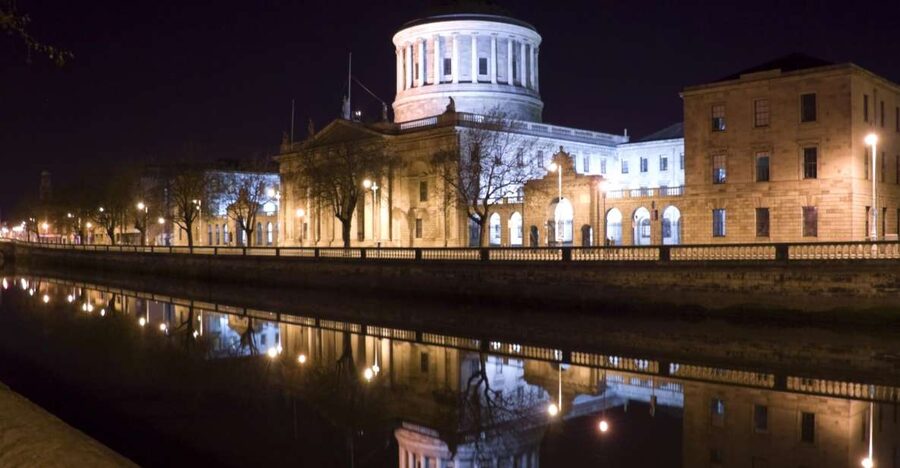
Dublin’s most famous sights tend to pull you south toward Trinity College, Temple Bar, Dublin Castle, and the River Liffey. This walk points you north, into streets shaped by monasteries, medieval crime, rebellion, poverty, and old burial grounds.
That change of setting matters. You are not simply hearing a ghost story in a dark room. You are standing on the streets where the tale is supposed to have happened, often with modern Dublin carrying on around you. That contrast gives the walk much of its character.
The tour begins outside The Church Bar and Restaurant on Mary Street and returns there at the end. The starting point is practical for an evening activity, and finishing at the same place makes the route easy to manage. You do not need to arrange a taxi at a distant ending point or work out a new meeting place after dark.
The mood depends partly on the season and start time. One account notes that a summer evening can remain bright well after 9 p.m., which softens the spooky feel. If atmosphere matters to you, choose the latest available departure and consider booking outside the brightest months.
A few more things to do around Dublin worth a look
- Dublin Highlights and Hidden Gems Guided Walking Tour
★ 5.0 · 6,020 reviews - Dublin to Glendalough, Wicklow and Kilkenny Full Day Guided Tour
★ 5.0 · 4,895 reviews - Dublin Book of Kells, Castle and Molly Malone Statue Guided Tour
★ 4.5 · 3,825 reviews
Saint Mary’s Abbey and the remains of medieval Dublin
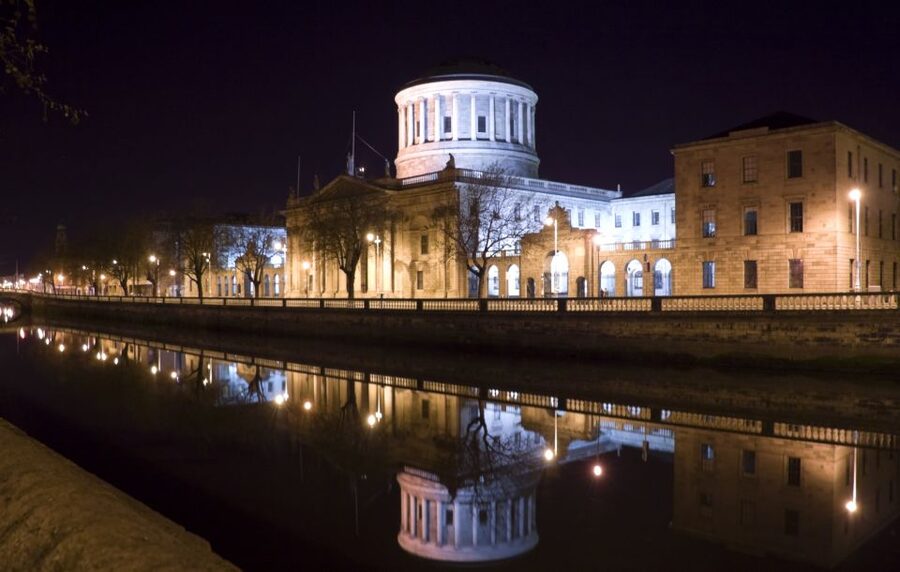
One of the first important subjects is Saint Mary’s Abbey, once one of Ireland’s most powerful monastic settlements. Today, only a small ruin remains down an alley, easy to miss as commuters pass nearby.
This is exactly the sort of stop that gives the walk value beyond its ghost theme. You get a glimpse of how much medieval Dublin has vanished, and you begin to see the city as a place built in layers. The ruin is not presented as a grand monument. Its modest size and tucked-away setting are part of the point.
The guide connects the site to the darker side of Dublin’s past, but the wider story is just as useful. You learn how religious foundations once shaped the city and how later streets grew over older settlements. If you enjoy finding overlooked corners, this will likely be one of the most rewarding parts of the route.
The tour also explores medieval Oxmantown, an area associated with former Viking enclaves. That background helps explain why the northside feels different from the postcard version of Dublin. The stories are not floating free from place. They are tied to old neighborhoods, vanished institutions, and the people who lived there.
Hendrick Street and Dublin’s haunted houses
Hendrick Street brings the tour closer to classic ghost-story territory. The walk passes the former locations of numbers 7 and 8, said to have been home to six different ghosts.
You should approach this stop in the right spirit. The experience is built around spoken stories and the guide’s delivery, not a staged haunted house. There are no reported actors or special effects. Instead, the atmosphere comes from the narrow historical focus and the knowledge that ordinary addresses are being linked to disturbing tales.
This section also shows why a good guide matters. Kate has been praised for answering questions and adding useful Dublin details that are not strictly part of the ghost story. Matthew has been described as funny and easy to listen to, with a talent for creating a creepy mood without pushing the material into silliness.
That balance is important. A ghost walk can quickly become corny if every stop is treated as a guaranteed supernatural event. Here, the better approach is to let the stories sit somewhere between folklore, local memory, and entertainment. You can enjoy the mystery without having to accept every claim as fact.
Croppie’s Acre and the cost of the 1798 rebellion
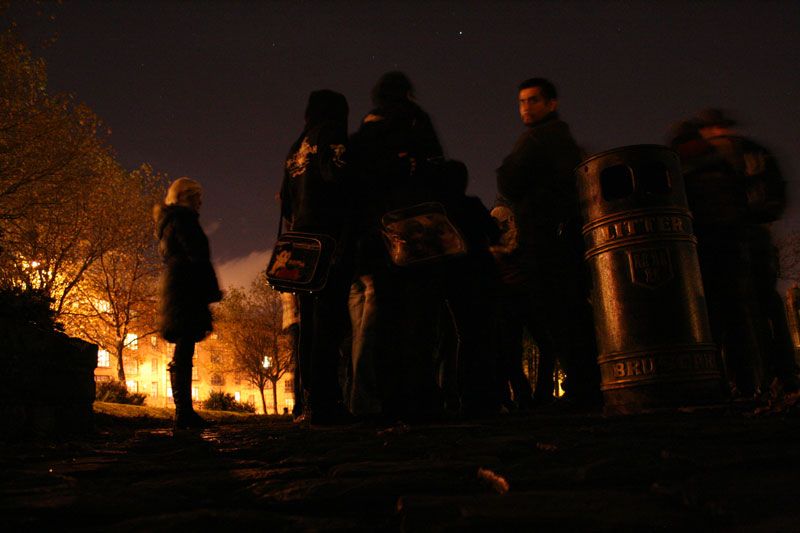
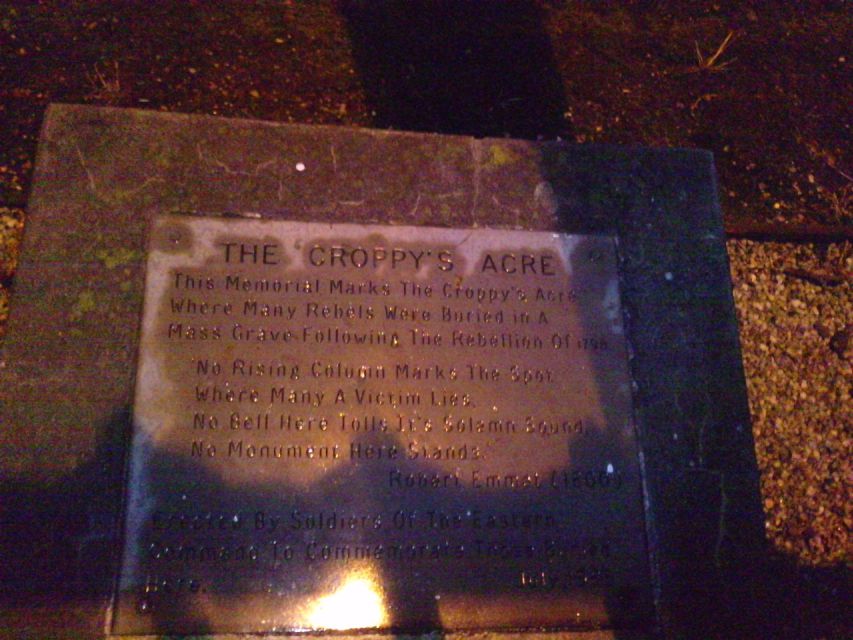
Croppie’s Acre is one of the heaviest stops. The site was later used as a football pitch, but beneath it lies a mass grave connected to hundreds of rebels executed during the 1798 rebellion.
This is where the walk shifts from spooky curiosity to painful history. The ghost stories gain weight because they are tied to real violence and real deaths. You are not just hearing about a haunted building. You are being reminded that Dublin’s streets and open spaces have also served as places of punishment and burial.
The guide’s job here is to keep the story clear without turning suffering into spectacle. The material is macabre, but it also gives you a better grasp of the political and social tensions that shaped Ireland. For me, this kind of stop is more memorable than a simple tale about a wandering spirit.
The old football-pitch detail makes the site especially striking. It shows how places can change purpose while their earlier stories fade from view. A modern use can cover the past without removing it.
Same base, a very different sort of day:
- Dublin to Cliffs of Moher, including Wild Atlantic Way and Galway
★ 5.0 · 23,331 reviews - From Dublin: Cliffs of Moher, Burren & Galway City Day Tour
★ 4.8 · 18,888 reviews - Dublin: Guinness Storehouse Entry Ticket
★ 4.6 · 16,863 reviews - Dublin to Cliffs of Moher, Burren, Wild Atlantic Way, Galway Tour
★ 5.0 · 12,924 reviews
Scaldbrother, thieves, and the city beneath the city
The walk also introduces Scaldbrother, an infamous medieval thief. His story adds a different sort of darkness, based on crime, cunning, and survival rather than burial grounds or apparitions.
There are also tales of audacious thieves, underground tunnels, sad lives, and an electric factory. The precise order of these subjects can depend on the guide and the pace of the group, but the overall effect is a tour of Dublin’s underworld in both senses of the word.
This is another reason not to book the walk only for jump scares. The best parts are often the odd details about people and places that do not appear in a standard city introduction. One guide was praised for offering a fresh view of modern Ireland alongside older stories. Another added suggestions for places to visit after the tour.
A few people have found some historical details less reliable than others, especially if they already know Dublin’s past. I would treat the tour as lively local storytelling rather than an academic lecture. If you want a tightly sourced study of medieval Dublin, choose a specialist history tour. If you want unusual stories that help you notice the city differently, this format works well.
Saint Michan’s Church and Bram Stoker’s Dublin
Saint Michan’s Church enters the story through its mummies, described as one of Ireland’s most macabre attractions. The church’s preserved bodies are also linked to Bram Stoker, the Dublin-born author of Dracula.
This gives the tour a useful literary angle. Stoker is often connected with the world of vampires, but here the focus is on Dublin and the unsettling material that formed part of his home city’s cultural background. Even if you already know the Dracula connection, hearing it in the context of old Dublin churches and burial practices makes it feel less like a random trivia item.
The tour does not appear to include entry into Saint Michan’s Church. The information provided places the church within the stories told during the walk, so you should not assume that admission or an interior visit is included. If the mummies are high on your list, plan a separate visit and confirm opening arrangements directly.
That distinction is useful. The ghost walk gives you context and atmosphere, while a separate church visit would let you spend more time with the site itself.
What the guides add to the experience
The strongest praise is directed at the guides. Kate is repeatedly singled out for preparation, warmth, and her ability to handle questions. Darragh is described as personable, funny, and an excellent storyteller. Matthew receives praise for humor and a calm delivery, while Derek is noted for the number of details he brings to the walk.
You may not know which guide you will have when booking, so it is better to think of these as examples of the tour’s style rather than a guarantee. The common thread is clear: the experience depends heavily on a live guide who can tell a story outdoors, keep a group together, and adjust the tone to the audience.
The humor helps. Several accounts describe the walks as informative and funny, not grim from start to finish. That makes the experience easier for families and mixed groups, especially when some people want history and others want spooky tales.
The guides also seem willing to talk about Dublin beyond the formal route. You may come away with ideas for pubs, sights, or daytime stops. That practical local advice adds value, especially early in your Dublin visit.
How scary is the North Quay Ghost Walk?
I would rate this as mildly to moderately spooky, with the main emphasis on history and storytelling. One person felt it was more of a history lesson than a ghost tour, while another praised the lack of theatrics. That contrast tells you what to expect.
You will hear about ghosts, apparitions, executions, mummies, thieves, and haunted homes. The walk also visits the reported site of a 21st century apparition of the Virgin Mary. Yet the material is delivered as a guided city walk, not as a scare attraction.
Skeptics can enjoy it. You do not need to believe in ghosts to appreciate the tales, because many stops have value as history even when the supernatural claims are uncertain. The walk also leaves room for the fun of not knowing exactly where fact ends and folklore begins.
The group may encounter ordinary city noise, passing people, or even interruptions from the public. One account describes drunken teenagers calling out to the guide. That is not a flaw unique to this tour, but it is worth knowing that an outdoor Dublin walk cannot control its surroundings.
Price, timing, and practical comfort
At $28 per person, the tour is fairly priced if you want an evening activity that combines orientation, local stories, and unusual sights. You are paying for a live guide and a carefully chosen route, not for entry to a major attraction or transport between stops.
Value depends on your interests. If you want a polished theatrical show with props and actors, this may feel too simple. If you would otherwise spend the evening in a pub and would like to understand more of Dublin first, the cost compares well with a guided introduction to the city.
The stated duration is 1.5 hours, while the overview and some experiences describe roughly two hours. Allow two hours in your schedule so you are not rushing to a dinner booking or concert. The route is on foot, and you will be standing for most of it, so wear comfortable shoes.
Bring a rain jacket and dress for the season. The tour runs outdoors, and the mood is stronger when you are comfortable enough to listen instead of worrying about cold or wet feet. The route returns to the starting point outside The Church Bar and Restaurant on Mary Street.
English is the tour language, and a live guide leads the walk. You can cancel up to 24 hours before departure for a full refund, and the reserve-now, pay-later option gives you some flexibility while planning a Dublin stay.
Who will enjoy this Dublin walking tour?
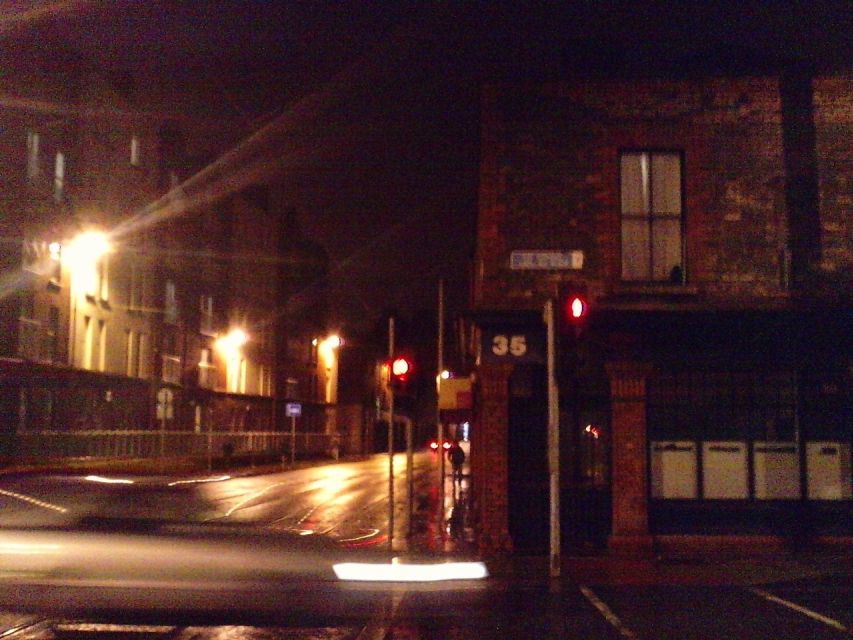
I would choose this for first-time visitors who want an unusual orientation to the northside. It helps you connect streets, ruins, churches, burial places, and old neighborhoods in a way a standard sightseeing loop may not.
It also suits repeat visitors. One regular Dublin visitor found it a welcome change from the usual tourist activities, and that makes sense. You may have seen the main attractions already, yet still miss the stories attached to ordinary streets.
Families can enjoy it, especially if older children are comfortable with themes of death, rebellion, and ghosts. The family experience described in the information found the mix suitable for everyone, though the material is not lighthearted at every stop.
I would be more cautious if you want hard historical certainty or a truly frightening night. Some facts may be presented with colorful additions, and the tour’s strongest quality is its storytelling. Think of it as a spooky history walk with a local voice.
Should you book the North Quay Ghost Walk?
Book it if you want to see a less familiar side of Dublin, enjoy ghost stories grounded in real places, and like guides who mix humor with history. The stops at Saint Mary’s Abbey, Hendrick Street, and Croppie’s Acre give the walk a clear sense of place, while the tales of Scaldbrother and Saint Michan’s Church add memorable detail.
Skip it if you need a fast-paced attraction with actors, special effects, or guaranteed scares. Also allow extra time beyond the advertised 1.5 hours and wear shoes suited to a long evening on foot.
For most visitors, the best reason to go is simple: you will leave with more than a collection of ghost tales. You will have a better feel for Dublin’s northside, its buried past, and the strange stories still attached to its streets.
FAQ
Where does the Dublin North Quay Ghost Walk start?
The walk starts outside The Church Bar and Restaurant on Mary Street in Dublin.
Where does the tour end?
The activity ends back at the meeting point outside The Church Bar and Restaurant.
How long does the ghost walk last?
The listed duration is 1.5 hours. The overview and some descriptions refer to about two hours, so allow roughly two hours in your plans.
What language is the tour in?
The tour is led live in English.
Is entry to Saint Michan’s Church included?
The provided information includes stories about the mummies at Saint Michan’s Church, but it does not state that church admission or an interior visit is included.
Can I cancel the booking?
You can cancel up to 24 hours in advance for a full refund. A reserve-now, pay-later option is also available.
Just added around Dublin
- Wicklow Mountains Private Day Tour including Glendalough★ 5.0 · 7 reviews
- Wicklow: Private Day Tour from Dublin★ 5.0 · 5 reviews
- Women Of Ireland: Trailblazers & Pioneers★ 5.0 · 4 reviews
- Premium Irish Whiskey Tasting Hosted by Local Dublin Expert★ 5.0 · 77 reviews
- Whiskey Tasting Tour of Dublin★ 5.0 · 117 reviews
- Wicklow Mountains & Glendalough Luxury Private Day Tour★ 5.0 · 23 reviews
- Wicklow tour of Glendalough★ 4.5 · 8 reviews
- Semi-Private (8people max) 2.5 Hr Dublin Walking Tour★ 5.0 · 69 reviews
Tours in Dublin, compared.
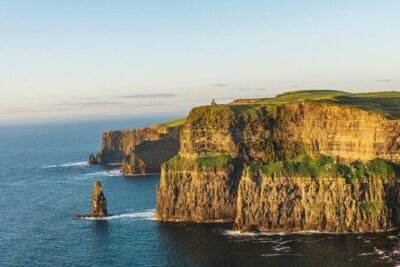
Dublin to Cliffs of Moher, including Wild Atlantic Way and Galway
Read our review →
Cliffs of Moher, Burren & Galway City Day Tour
Read our review →

Dublin to Cliffs of Moher, Burren, Wild Atlantic Way, Galway Tour
Read our review →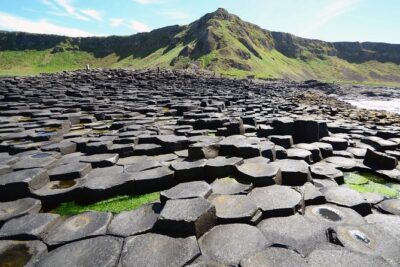
Dublin to Belfast Black Cab, Dunluce Castle and Giant’s Causeway
Read our review →
Kilkenny, Wicklow Mountains & Glendalough Day Tour from Dublin
Read our review →
Wicklow Mountains, Glendalough & Kilkenny Tour
Read our review →