
Reviewed · TOURS IN DUBLIN
Best of Ireland 6-Day Backpackers Economy Tour
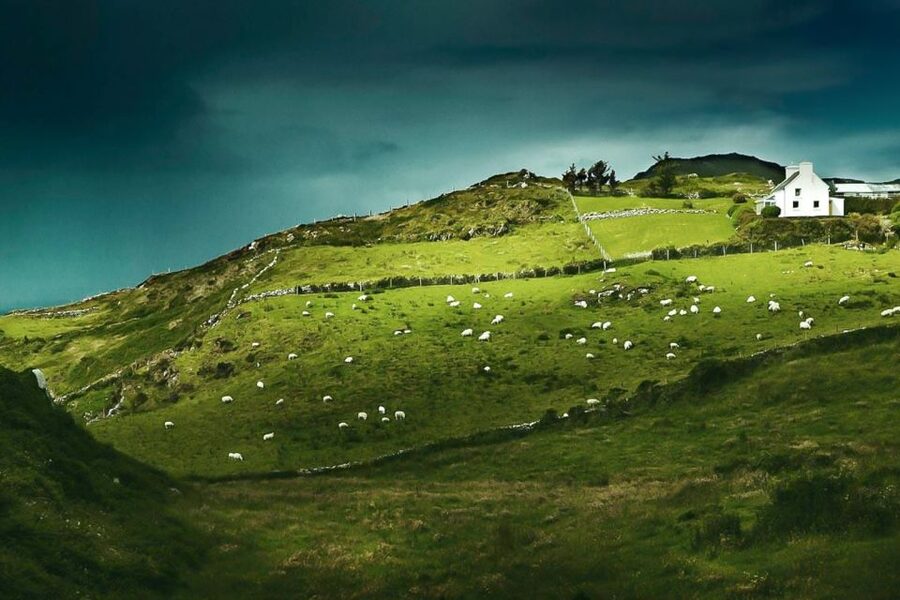
Ireland’s big sights come at you quickly on this six-day circuit: the Giant’s Causeway, Cliffs of Moher, Ring of Kerry country, Blarney Castle, and Guinness all fit into one cross-border trip. I like the route because it reaches Northern Ireland as well as the southwest, and because a small coach can turn a long road trip into a social experience. The catch is simple: this is a fast tour, with early starts, long drives, and little room for missed stops.
I especially like the backpacker price, which gives solo students and younger visitors a way to see Ireland without hiring a car. I also like the local flavor built into the route, from a traditional pub evening to a horse-led car ride in Killarney National Park. Accommodation can vary, and the first Belfast hostel has received a poor cleanliness report, so keep your expectations practical.
Key points to know before booking
- Northern Ireland is part of the deal: Belfast, Derry, the Antrim Coast, Dunluce Castle, and the Giant’s Causeway all appear in the first two days.
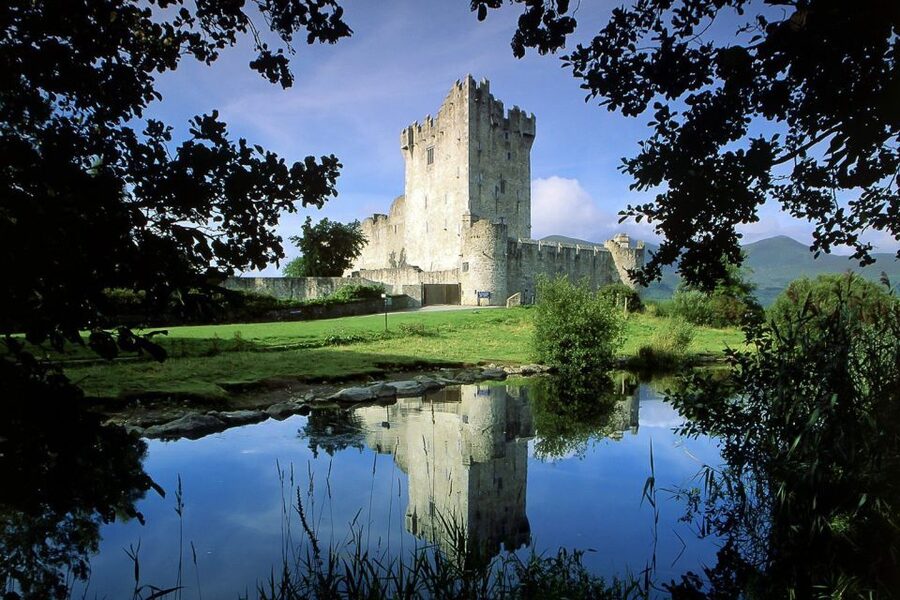
- The southwest gets the best scenery: You walk at the Cliffs of Moher, cross the Dingle Peninsula, visit Killarney National Park, and stop at Blarney Castle.
- The pace is brisk: Six days cover nearly the whole island, so some stops are brief and road time is unavoidable.
- Guides shape the experience: Gordon and Dani have received especially strong praise for local contacts, recommendations, and storytelling.
- The economy option is genuinely basic: You get hostel-style accommodation, though one booking reported a private room in Annascaul.
- Budget for meals and extras: Lunches, dinners, and additional attractions are not included.
Why this six-day route works
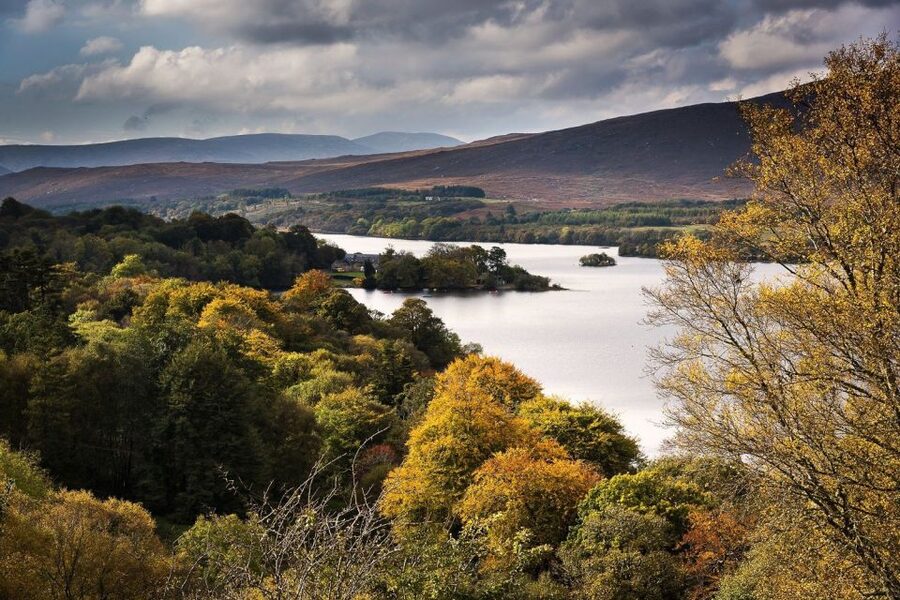
Ireland is compact enough to cross by road, but not so compact that every stop feels close. This tour solves that problem by linking the country’s headline sights in one loop. You begin in Dublin, head north to Belfast and Derry, cross west to Galway, then turn south through Clare, Kerry, Cork, and back to Dublin.
That route gives you a taste of all four corners of the island. It also means you are trading depth for range. You will see much more than you could on a short self-drive holiday, but you will not have long, lazy afternoons in every town.
For me, the strongest reason to choose this trip is the mix of famous sights and ordinary Irish places. A beach stop in Strandhill, an evening in an Irish pub, and time in small towns such as Annascaul help balance the major attractions. You are not simply ticking off castles and cliffs.
The coach matters. One recent booking described a group of about 15 on a smaller vehicle with Wi-Fi after the first day, while the opening leg used a much larger coach. That variation is worth knowing. The smaller coach makes conversation and roadside viewing easier, but vehicle size may not be identical every day.
A few more things to do around Dublin worth a look
- 6-Day All Ireland Tour from Dublin Including Accommodation
★ 4.5 · 254 reviews - 6-Day Tour of Southern Ireland from Dublin
★ 3.8 · 11 reviews
Day 1: Dublin to Belfast and the Titanic story
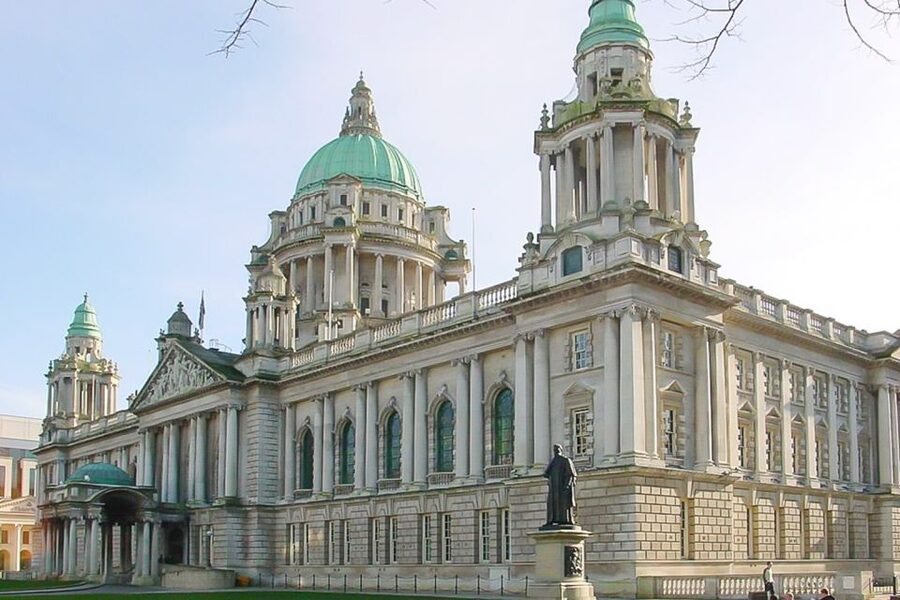
Meet at Paddy’s Palace on Lower Gardiner Street in Dublin at 8:45 AM. The first destination is Belfast, Northern Ireland’s lively capital and a city with a strong industrial past.
Titanic Belfast is the headline stop. The museum covers the building of the Titanic and the city’s shipbuilding legacy. You should allow enough attention for this visit because it is more than a simple memorial. It explains Belfast’s place in maritime history and gives the city a clear sense of identity.
You also get time in Belfast’s historic downtown quarter. Depending on the day’s schedule, there may be opportunities to explore independently or add an optional activity. A recent booking singled out a Black Taxi Tour as an especially good extra. It is not included in the base price, but it can add useful context about Belfast’s divided neighborhoods and recent past.
The first night is in Belfast. This is the least reliable accommodation point in the trip. The economy lodging is intended for budget visitors, and one recent booking found Botanic Street Hostel dirty. If clean, comfortable lodging is a major priority, compare this option with a higher accommodation tier before paying.
Day 2: The Antrim Coast, Dunluce, and the Giant’s Causeway
Day two is one of the tour’s strongest. You travel along the Antrim Coast, where the road itself is part of the attraction. The coastline combines sea views, cliffs, ruins, and small roadside stops.
Dunluce Castle gives you the classic ruined-castle moment. Perched near the coast, it has the kind of dramatic setting that makes even a short stop worthwhile. The site can be windy and uneven, so wear shoes with a decent grip.
The Dark Hedges offers a different sort of photo stop. The avenue of trees became famous after appearing in television, but it is still a pleasant place to stretch your legs. Do not expect a long visit. This is a quick stop built into a busy day.
Carrick-a-Rede Rope Bridge is another possible photo stop along the coast. The tour includes the area, but additional attractions may cost extra. If crossing the bridge is important to you, check the day’s arrangements and any entrance charge before assuming it is included.
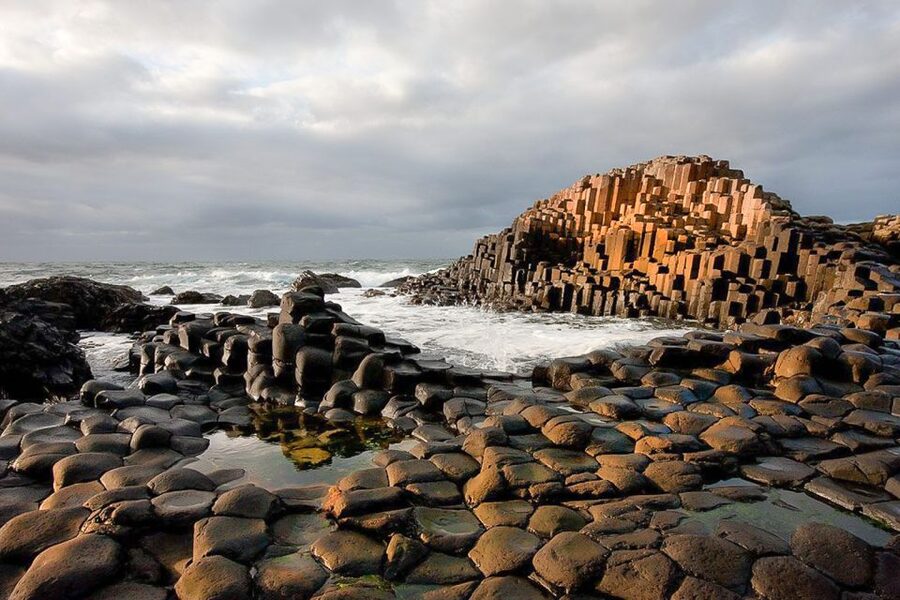
The Giant’s Causeway is the major event. About 60,000 hexagonal basalt stones form a strange natural pavement below the cliffs. You can walk among the columns and study how the rock breaks into such regular shapes. Give yourself time to look beyond the obvious photo. The waves, cliffs, and changing light are a large part of the experience.
The day ends in Derry, where a historic walking tour brings the city’s walls and past into view. Derry is more than an overnight stop. Its compact center is easy to appreciate on foot, and the guided walk helps you understand why the city has played such an important role in Northern Irish history.
Day 3: Derry to Galway along the Atlantic coast
You leave Northern Ireland and follow the Wild Atlantic Way toward Galway. This is one of the longer transfer days, but the route breaks up the drive with a stop at Strandhill.
Strandhill is known as a surfing spot, though you are not promised a surf lesson. The useful part of the stop is its simple rhythm: lunch, sea air, and a walk on the beach. After busy city visits and crowded headline sights, this pause gives you room to slow down.
Galway has a different feel from Belfast and Derry. Its center is compact, and a free walking tour introduces the main streets and local character. You will have some free time for dinner, music, or a pub. The trip information makes clear that evenings can include dancing and traditional Irish entertainment, though exact plans depend on the group and schedule.
Galway is also where the tour begins to feel more distinctly west coast. The Atlantic is never far away, and the next two days bring the most dramatic natural scenery of the trip.
Same base, a very different sort of day:
- Dublin to Cliffs of Moher, including Wild Atlantic Way and Galway
★ 5.0 · 23,331 reviews - From Dublin: Cliffs of Moher, Burren & Galway City Day Tour
★ 4.8 · 18,888 reviews - Dublin: Guinness Storehouse Entry Ticket
★ 4.6 · 16,863 reviews - Dublin to Cliffs of Moher, Burren, Wild Atlantic Way, Galway Tour
★ 5.0 · 12,924 reviews
Day 4: The Cliffs of Moher, the Burren, and Annascaul
The drive from Galway toward the Dingle Peninsula includes two major stops: the Cliffs of Moher and the Burren.
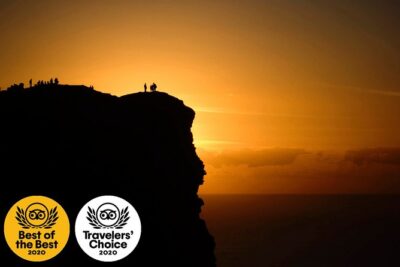
At the Cliffs of Moher, you walk along clifftop paths above the Atlantic. The views are the main attraction, but the setting deserves care. Stay well back from exposed edges, watch your footing, and bring a waterproof layer. Irish weather can shift quickly, and the cliffs can feel entirely different under sun, mist, or wind.
This is one place where the fast schedule may frustrate you. You will see the cliffs, but you may wish for more time to walk. If you enjoy hiking, treat the available path as a short taste rather than a full coastal trek.
The Burren brings a change in scenery. Its limestone ground looks austere and unusual, with stone stretching across the hills in broad slabs and cracks. The area shows how varied Ireland can be within a short drive. One hour you are above the Atlantic, and soon after you are crossing a rocky region that feels almost otherworldly.
The overnight stop is Annascaul on the Dingle Peninsula. This small settlement is a welcome contrast to the cities. The economy option may be better here than you expect. One recent booking reported a private room in Annascaul, although room arrangements can vary by departure and accommodation choice.
Day 5: Dingle Peninsula and the Ring of Kerry region
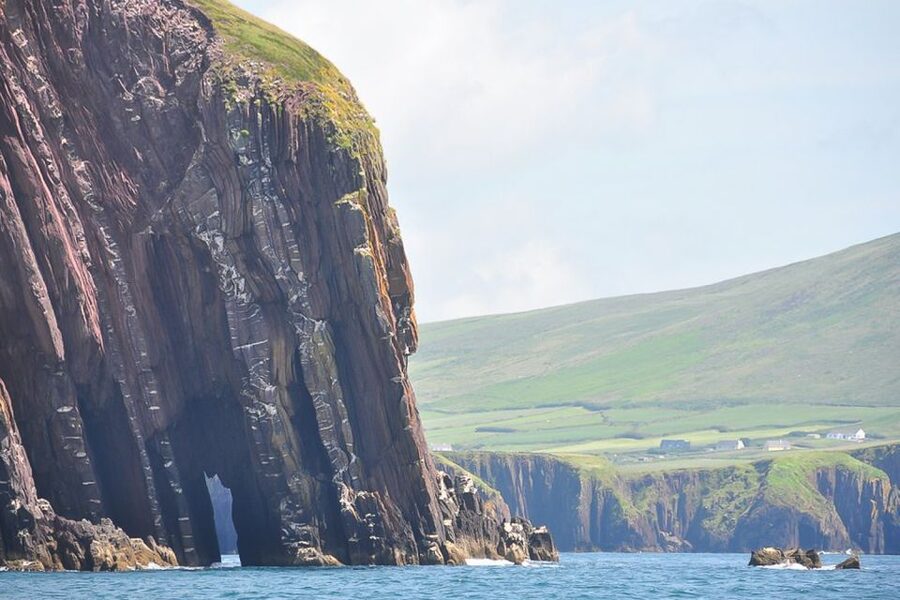
Day five is devoted to the Dingle Peninsula, one of Ireland’s great scenic road trips. Expect narrow roads, coastal views, hills, beaches, and small communities. The road itself is part of the appeal, and a coach lets you watch the scenery without worrying about navigation.
Dingle gives the day a human center. You can expect time connected with local food, pubs, and the peninsula’s strong Irish identity, though meals are not included. Budget for lunch and dinner, and do not assume every optional attraction is covered by the tour price.
The route is often described as part of the Ring of Kerry experience, though the detailed schedule centers on the Dingle Peninsula. That distinction matters if you have your heart set on a full Ring of Kerry circuit. You see the southwest at its best, but you should read the day as a Dingle-focused tour rather than a complete tour of every Kerry highlight.
This is also a good night for the social side of the trip. The tour is designed for budget-minded visitors, and the group can become close after several days together. A traditional pub evening and opportunities to dance are part of the appeal. If you prefer quiet evenings and private dining, the group format may feel less comfortable.
Day 6: Killarney National Park, Blarney Castle, and Dublin
The final day starts with Killarney National Park. A horse-led car ride offers an old-fashioned way to see part of the park and gives the morning a slower feel after several long coach days.
Killarney is one of the most polished stops on the route, with lakes, woodland, and mountain views. You should enjoy the ride for what it is: a scenic introduction rather than a full park hike. If you want long walking time in Killarney, the fixed schedule may leave you wanting more.
The journey continues to Cork and Blarney Castle. The famous stop is the Blarney Stone, which you can kiss if you choose. The castle grounds are also worth attention, so do not rush straight to the stone and forget the rest of the site. The visit combines folklore, medieval ruins, and landscaped paths.
The tour returns to Dublin by early evening. This timing is useful if you have a late departure the next day, but I would avoid booking a same-day flight or important connection. Road conditions, weather, and the length of the day can affect the arrival time.
Guides, group size, and the feel of the coach
The guide can make or break a road tour. Recent departures have included Gordon and Dani, and both received strong praise for sharing local recommendations and helping the group connect with people and places along the route. One guide even joined the group at the pub in the evenings, which gives you an idea of the informal atmosphere this trip can create.
That does not mean every guide will offer the same level of commentary. One booking described the guide as mainly a driver, with little information at the sites, and also reported late lunch times. You should book this tour expecting a mix of driving, basic guiding, and independent exploration, not a formal academic tour.
Group size can also change. A group of around 15 is a pleasant size for a coach trip, but the first day may use a much larger vehicle. Wi-Fi was available on one smaller coach, though I would not treat that as guaranteed on every bus.
What the $1,058 price really covers
At $1,058 per person, the tour is not a bargain in absolute terms, but it covers a great deal of ground. Transport, a guide, accommodation, breakfasts, and entrance fees are included. You are paying for six days of route planning, cross-border transport, and access to major sights without the stress of driving on narrow roads.
The value is best for a solo visitor or first-time Ireland visitor who wants the main highlights in one trip. A rental car could give you more freedom, but you would also take on fuel, insurance, navigation, parking, accommodation planning, and the challenge of driving left on unfamiliar roads.
The economy choice keeps the price within reach, but you need money for lunches, dinners, drinks, and optional attractions. Breakfast is included in the trip details, though the exact number of included breakfasts should be confirmed before departure. One recent booking reported four breakfasts across five mornings.
Who should book this Ireland tour?
I would choose this tour if you have only six days, want both Northern Ireland and the Republic of Ireland, and enjoy meeting other budget-minded people. It suits solo visitors, students, and anyone who would rather watch the road than drive it.
You should be comfortable with early starts, long days, basic accommodation, and a changing schedule. Bring comfortable shoes, a waterproof jacket, and patience for delayed lunches. Wheelchair users should choose another option because the tour is not suitable for wheelchair access.
Free cancellation up to 24 hours before departure and reserve-now, pay-later booking make planning easier, but those policies do not change the physical demands of the route.
Should you book the Best of Ireland six-day tour?
Book it if your priority is maximum coverage in minimum time. The route gives you Belfast, Derry, the Giant’s Causeway, Galway, the Cliffs of Moher, Dingle, Killarney, Blarney Castle, and a taste of Cork country in one trip. That is a strong haul.
Skip it if you want deep time in each region, polished hotels, guaranteed small groups, or long hikes at every scenic stop. The best version of this experience depends on a good guide and a cooperative group. If you can accept the brisk pace and basic lodging, the tour offers a practical, sociable way to see Ireland’s biggest sights without renting a car.
FAQ
Where does the tour meet in Dublin?
Meet at Paddy’s Palace on Lower Gardiner Street, Dublin D1, at 8:45 AM.
How long is the tour?
The tour lasts six days and ends in Dublin by early evening on day six.
What language is the tour conducted in?
The live guide and tour commentary are in English.
Are meals included?
Breakfasts are included. Lunches and dinners are not included, so you need to budget for them. Additional attractions may also cost extra.
Is the tour suitable for wheelchair users?
No. The tour is not suitable for wheelchair users.
What should I bring?
Bring comfortable shoes. They will help with clifftop paths, castle grounds, coastal stops, and walking tours.
Just added around Dublin
- Gin School, distill you own gin, cocktails, tastings, food★ 5.0 · 8 reviews
- Dublin : Street Art Walking Tour★ 5.0 · 3 reviews
- Dublin: Personal Photographer- Travel Photography Experience★ 4.5 · 8 reviews
- Dublin: Skip-the-line Book of Kells & Old Town Private Tour★ 5.0 · 6 reviews
- Dublin: Howth Coastal Craft Beer and Seafood Tour★ 5.0 · 62 reviews
- Vikings In Dublin (Walking Tour)★ 5.0 · 8 reviews
- Dublin: Silent Disco Walking Tour★ 4.9 · 21 reviews
- Dublin: Private Tour of City Monuments in Spanish★ 5.0 · 6 reviews
Tours in Dublin, compared.
Dublin to Cliffs of Moher, including Wild Atlantic Way and Galway
Read our review →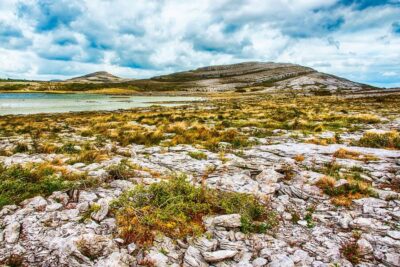
Cliffs of Moher, Burren & Galway City Day Tour
Read our review →
Dublin to Cliffs of Moher, Burren, Wild Atlantic Way, Galway Tour
Read our review →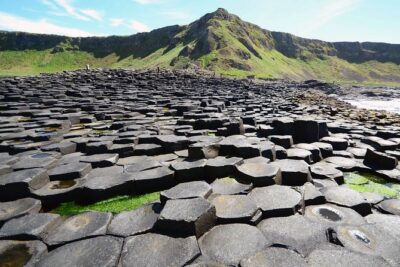
Dublin to Belfast Black Cab, Dunluce Castle and Giant’s Causeway
Read our review →
Kilkenny, Wicklow Mountains & Glendalough Day Tour from Dublin
Read our review →
Wicklow Mountains, Glendalough & Kilkenny Tour
Read our review →
Browse the lists this tour appears in