
Reviewed · TOURS IN DUBLIN
Dublin: Forge a Silver Ring Workshop on George’s Street
Making a silver ring from a plain strip of metal is the heart of this two-hour Dublin workshop. You measure the silver, cut it with a handsaw, shape it with a mallet, and finish it with files, hammers, and polish. The result is useful, personal, and made by your own hands.
I like two things here. First, the class gives you real craft work rather than a quick souvenir assembly line. Second, the small group, limited to six, leaves room for close help when you get stuck. The main drawback is the setting: both studios have steep stairs, and the workshop is not suitable for wheelchair users or people with visual impairments.
Key points to know before booking
- You make the ring from raw sterling silver: Measure, saw, shape, solder, file, texture, and polish your own piece.
- The class stays small: Up to six participants can attend, which makes it easier to get help with tools and technique.
- You choose the final look: Select the ring curve, one of three textures, and the polish used for the finish.
- Two central studios are available: Book either the George’s Street or Drury Street location, depending on availability.
- The finished ring is included: Optional engraving, gold plating, and wider metal bands cost extra and may require additional time.
- Plan carefully for the stairs and start time: Arrive 10 minutes early, since late arrivals beyond 10 minutes cannot be accepted.
Turning a strip of silver into a Dublin keepsake
This is a good choice if you want a souvenir with a story attached to it. You are not simply picking a ring from a display case. You begin with silver and make a chain of small decisions that change the finished piece.
The class starts by measuring the metal for the finger you choose. That sounds simple, but it matters. A ring for your index finger will need a different length from one for your ring finger, so think ahead about where you want to wear it.
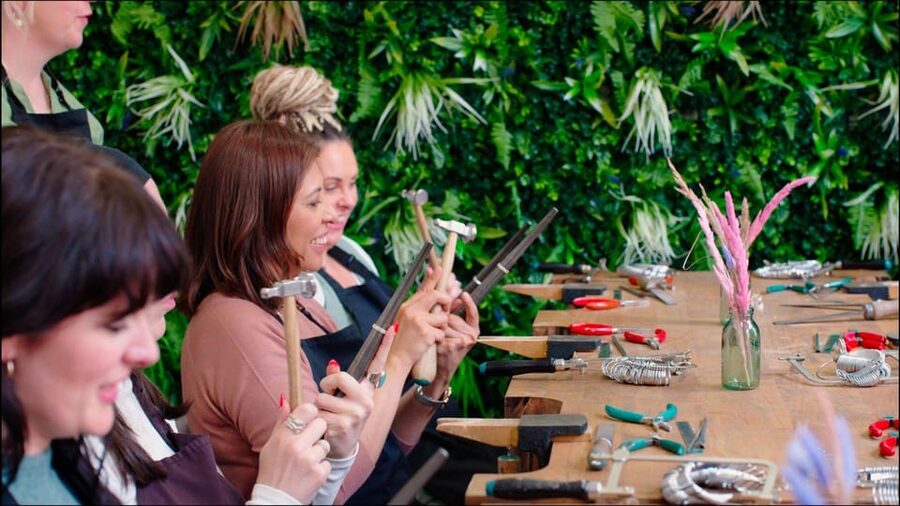
You then mark the silver and cut it to size with a handsaw. This is one of the most satisfying parts because the piece begins to look like something you can shape. Your tutor guides you through the process, so you do not need previous jewelry-making experience.
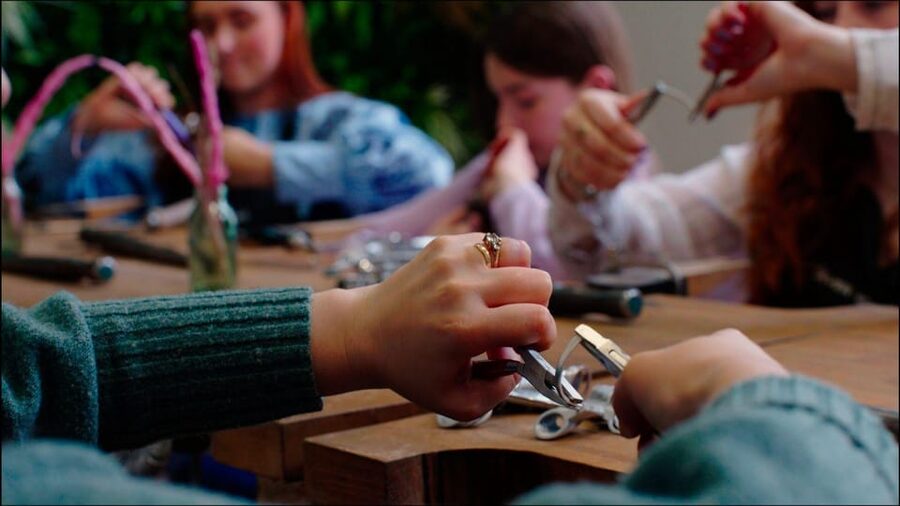
Next comes the mallet and ring mandrel. You use the mallet to bend the silver around the mandrel until it takes the basic form of a ring. The work is hands-on, but the tutor handles the soldering with expert care while explaining what is happening.
That balance is useful. You get to do the physical work, while the more technical joining step is managed safely. You still see how the ring becomes one continuous loop instead of a loose strip.
A few more things to do around Dublin worth a look
- Dublin: Forge a Silver Ring Workshop on Drury Street
★ 4.9 · 1,065 reviews - Dublin: Irish Music and Dance Show with Dance Lesson
★ 4.7 · 567 reviews - Dublin: Roe and Co Distillery Cocktail Workshop Experience
★ 4.9 · 489 reviews
Filing gives the ring its personal shape
After soldering, you use different hand files to refine the ring. This is where the piece starts to feel individual. You decide how much curve you want and how the edges should sit.
The curve can make a noticeable difference to the final look. A straighter shape gives the ring a cleaner, simpler character, while a more rounded form can feel softer on the finger. You are not choosing from a fixed set of finished designs. Your filing work affects the result.
I would pay close attention during this stage and take your time. Filing is less dramatic than cutting or hammering, but it is where rough edges are smoothed and the ring begins to feel comfortable. If you are unsure, ask your tutor before removing more metal. The small class size should make that kind of help easier to get.
The instructors are central to the experience. Kate is named among the tutors, and the class is designed around guided work rather than a lecture. You can expect instruction throughout, especially when you are learning how much pressure to use or how to hold a tool.
Three textures and a planishing hammer
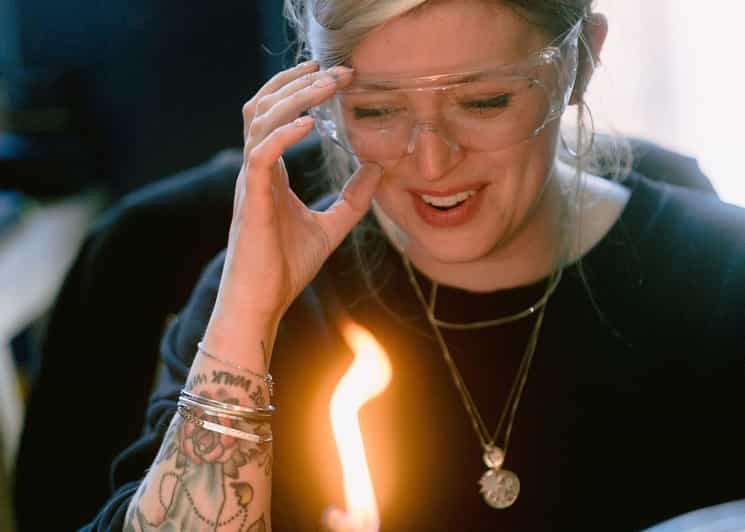
Once the form is ready, you choose from three different textures. The planishing hammer gives you a way to create that surface pattern yourself.
This is the creative part of the workshop. The hammer marks are not just decoration added at the end. They become a record of the making process, giving the ring a surface that cannot be exactly replicated by a factory machine.
You will need to work with care here. Texture can change the whole mood of a narrow silver band. A lighter treatment may leave the ring looking restrained, while stronger hammer marks can make the handmade quality more obvious. The available choices are limited to three textures, but that keeps the decision manageable during a two-hour class.
The workshop is especially well suited to couples, parents and older children, and friends who want to make matching or related pieces. One parent and daughter made rings together, and two participants used the class to create promise rings. The activity allows you to make similar rings without making identical ones.
Finishing and polishing your own ring
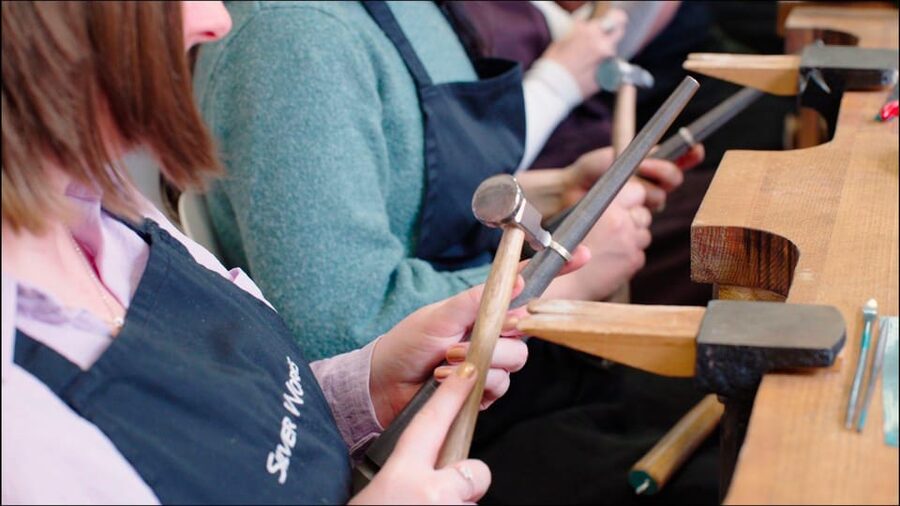
The final stage is choosing the polish and finishing the silver. This is the step that brings the piece into a wearable form.
By this point, the ring has passed through several stages: measuring, sawing, forming, soldering, filing, and texturing. Polishing does not erase that work. It makes the surface ready to take home while leaving the choices you made visible.
The included individual ring is part of the $98 price per person. That price is more than you would pay for a basic mass-produced souvenir, but it covers a guided craft session, the silver ring, tools, tutor support, tea or coffee, and snacks. I think the value is strongest if you care about the making process itself, not only the final object.
If you mainly want an inexpensive piece of jewelry, this may feel costly. If you want two focused hours and a souvenir tied directly to your time in Dublin, the price is easier to justify.
Same base, a very different sort of day:
- Dublin to Cliffs of Moher, including Wild Atlantic Way and Galway
★ 5.0 · 23,331 reviews - From Dublin: Cliffs of Moher, Burren & Galway City Day Tour
★ 4.8 · 18,888 reviews - Dublin: Guinness Storehouse Entry Ticket
★ 4.6 · 16,863 reviews - Dublin to Cliffs of Moher, Burren, Wild Atlantic Way, Galway Tour
★ 5.0 · 12,924 reviews
Extra options for a more finished or unusual ring
The standard experience gives you the ring included in the booking. You can also pay for several additions:
- Engraving costs €30 per ring and takes about 48 to 72 hours after the class.
- Gold plating costs €30 per ring and takes about three weeks.
- A wider metal band costs extra: 3mm is €10, 5mm is €12.50, and 6mm is €15.
These extras affect your schedule. Engraving is not completed during the two-hour class, so you cannot count on collecting an engraved ring immediately. Gold plating takes much longer, which matters if you are leaving Dublin soon.
The wider bands may be worth considering if you want a stronger visual presence, but they raise the total cost. Check the available options when you book and decide if the basic ring already gives you what you want.
Finding the George’s Street studio
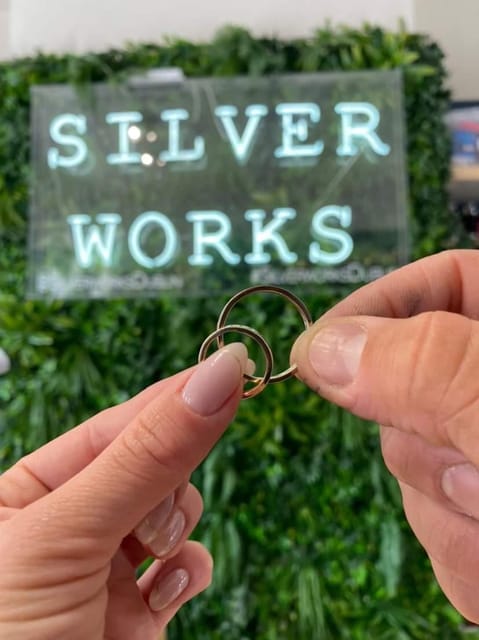
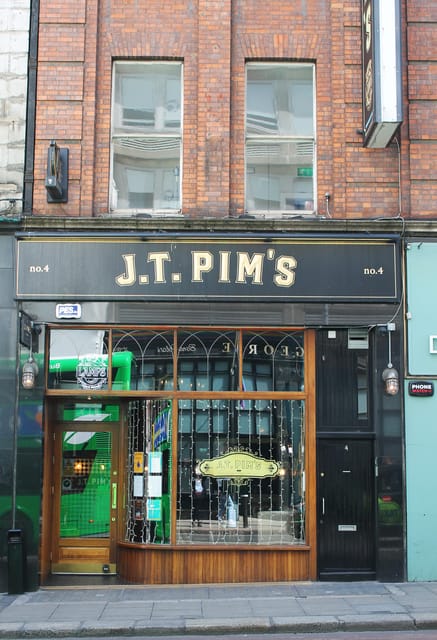
The George’s Street studio is above a bar called JT Pimms. Look for the black door to the right and press the buzzer for entry.
That entrance detail is worth saving before you set out. It is not described as a street-level storefront with a large, obvious workshop sign, so allow time to find the correct door. The activity begins and ends at the meeting point.
There is also a Drury Street studio. The two locations give you more choice in central Dublin, but check your booking carefully so you go to the correct one.
Arrive 10 minutes before your class. The workshop cannot accept late arrivals beyond 10 minutes after the start, and that rule matters for a hands-on class. If you are coming from the airport, leave extra time for the journey. A delayed flight or slow transfer will not qualify for a late start.
Who will enjoy this two-hour class
I would choose this for anyone who likes practical activities and wants more than photographs from Dublin. It works particularly well for couples, friends, families with older children, and solo visitors who like learning by doing.
Children must be over 10. Anyone under 16 must attend with a paying guardian. A good level of English is required because the tutor gives spoken instructions about tools, measurements, shaping, and finishing.
The workshop can also suit a short city break. At two hours, it fits into a morning or afternoon without taking up a full day. Since it is in central Dublin, you can pair it with other city activities, but do not book something immediately afterward if you are adding engraving or if you want a relaxed finish.
This is not the right pick for every visitor. Both studios have steep stairs, and the activity is not suitable for wheelchair users or people with visual impairments. The class is taught in English, so you should be comfortable following detailed instructions in that language.
Why the small group matters
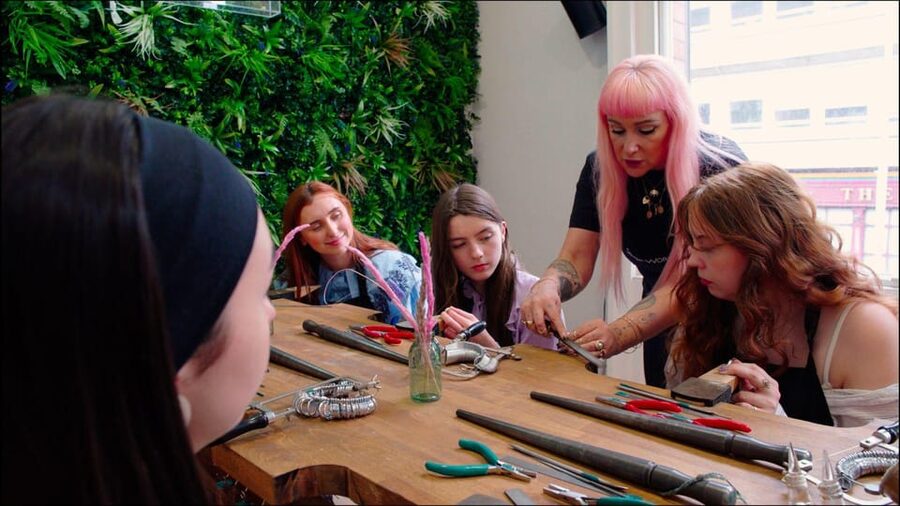
A limit of six participants changes the feel of the class. Jewelry work involves small tools and close attention, and it is useful to have a tutor nearby when you are forming the silver or deciding how much to file.
The small group also helps keep the pace steady. You have enough time to complete each stage without the activity feeling like a rushed demonstration. At the same time, everyone is working through similar steps, so the two-hour limit gives the class a clear rhythm.
The strongest praise for this experience centers on the instructors, the pace, and the finished rings. That combination tells me what to value here: you are getting patient help, a manageable schedule, and a piece you can actually use after the class.
The tutor does not simply hand you a completed ring at the end. You can see the errors, adjustments, and design decisions that make it yours. That is why a ring made here can feel more meaningful than a standard Dublin souvenir.
Booking details and cancellation
The experience costs $98 per person and lasts two hours. Tea, coffee, snacks, the forging workshop, expert instruction, and an individual ring are included.
You can reserve now and pay later, which is useful if your Dublin schedule is still shifting. Free cancellation is available up to 24 hours in advance for a full refund.
The class is offered in English and is limited to six participants. Check availability for starting times and confirm the studio address shown with your booking. If George’s Street is full, the Drury Street option may provide another date or time.
Should you book the Dublin silver ring workshop?
Book it if you want a personal souvenir, enjoy using your hands, and can follow English instructions comfortably. The best reason to go is not simply that you leave with a silver ring. It is that you will know how the ring took shape, from a marked strip of metal to a polished piece made with your own choices.
I would be more cautious if your budget is tight, you need step-free access, or you have only a few hours before leaving Dublin. The optional engraving and gold plating also require extra time, so the basic finished ring is the practical choice for most short visits.
For couples, families with children over 10, and anyone looking for a creative break from sightseeing, this is a strong Dublin activity. You get a small-group class, direct help from an instructor, refreshments, and a keepsake that carries the memory of the city without looking like a generic souvenir.
FAQ
How long does the silver ring workshop last?
The workshop lasts two hours. Starting times vary, so check availability when booking.
How much does the experience cost?
The price is $98 per person. This includes the forging workshop, expert tutor, individual ring, tea or coffee, and snacks.
How many people can join the class?
The workshop is limited to six participants.
Where does the George’s Street workshop meet?
The George’s Street studio is above JT Pimms. Use the black door to the right of the bar and press the buzzer for entry.
Is there another studio location?
Yes. You can also book the Drury Street studio. Check your booking carefully to confirm which location you have selected.
Can children take part?
Children must be over 10 years old. Anyone under 16 must be accompanied by a paying guardian.
Are engraving and gold plating included?
No. Engraving costs €30 per ring and takes about 48 to 72 hours after the class. Gold plating costs €30 per ring and takes three weeks.
Is the workshop suitable for wheelchair users?
No. Both studios have steep stairs and are not suitable for wheelchair users or people with impaired mobility. The activity is also not suitable for people with visual impairments.
Just added around Dublin
- Dublin: Howth Safari Hiking Tour★ 5.0 · 70 reviews
- Dublin: Trinity College, Castle, Guinness and Whiskey Tour★ 4.7 · 85 reviews
- Dublin: Irish Famine Exhibition Entry Ticket★ 4.4 · 15 reviews
- Dublin: Howth Cliffs and Ireland’s Eye Boat Cruise★ 4.1 · 12 reviews
- Dublin: Hop-on Hop-off Tour with Live German Commentary★ 4.5 · 41 reviews
- Dublin: Howth Cliffs and Lighthouse Boat Tour★ 4.5 · 43 reviews
- Dublin: Highlights and Hidden Corners Walking Tour★ 4.8 · 79 reviews
- Dublin: Historical and Cultural Historical Walking Tour★ 4.8 · 6 reviews
Tours in Dublin, compared.

Dublin to Cliffs of Moher, including Wild Atlantic Way and Galway
Read our review →
Cliffs of Moher, Burren & Galway City Day Tour
Read our review →

Dublin to Cliffs of Moher, Burren, Wild Atlantic Way, Galway Tour
Read our review →
Dublin to Belfast Black Cab, Dunluce Castle and Giant’s Causeway
Read our review →
Kilkenny, Wicklow Mountains & Glendalough Day Tour from Dublin
Read our review →
Wicklow Mountains, Glendalough & Kilkenny Tour
Read our review →
Browse the lists this tour appears in