
Reviewed · CITY TOURS
Go City: Dublin Pass | Save up to 50% – Includes 35+ Things To Do
Dublin’s Go City Pass puts the city’s big names and lesser-known corners on one phone: Guinness Storehouse, Dublin Castle, two whiskey distilleries, cathedrals, museums, gardens, and a one-day hop-on hop-off bus tour. It is most useful when you plan a full sightseeing day instead of wandering in a leisurely Irish daze.
I like two things here. First, you can mix major sights with smaller stops such as the GPO Museum, 14 Henrietta Street, and the Little Museum of Dublin. Second, the digital pass and guide make it easy to build your own route. The catch is important: several listed attractions are free anyway, and Guinness and Jameson require advance planning. The pass is not automatically a bargain.
Key points before you buy
- Guinness Storehouse requires a reservation: You cannot simply arrive and assume the pass guarantees entry.
- The bus is included for one day only: A two, three, four, or five-day pass does not give you the hop-on hop-off bus for the full validity period.
- Free attractions count toward the headline total: The National Gallery, several National Museum sites, the Botanic Gardens, and other venues normally have no admission charge.
- The pass runs on consecutive days: Your chosen period begins with first use, and the pass cannot be paused for a rainy day or a rest day.
- You can visit an attraction once per day: A two-day pass allows the same attraction on both days, but not twice on one day.
- The best value comes from paid sights: Dublin Castle, Christ Church Cathedral, whiskey tours, Guinness, and the bus should form the backbone of your plan.
How the Dublin Pass actually works
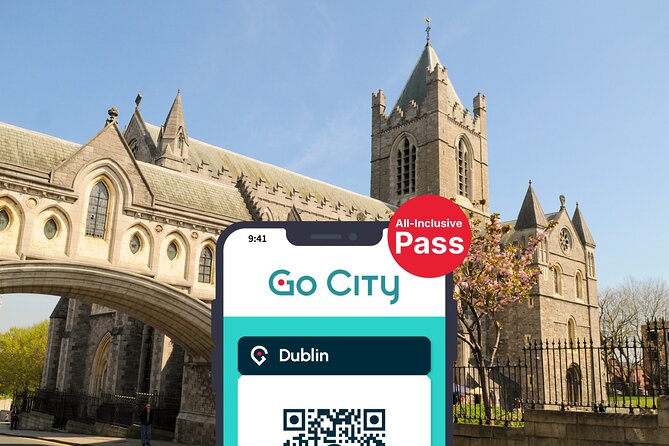
You buy a pass for one, two, three, four, or five consecutive days. Your mobile pass becomes active when you first use it, not simply when you purchase it. At each participating venue, show the pass on your phone for admission.
That sounds simple, and often it is. You can add the pass to a digital wallet, then scan your phone at participating entrances. But your phone is now your ticket, guidebook, map, and reservation reference, so keep it charged.
The pass allows one admission to each attraction per day. This matters if you are considering a short visit to a museum in the morning and a second look later. You cannot use the same attraction twice on one day.
The guidebook is useful for opening hours, directions, and reservation instructions. Still, check each attraction’s own website before setting out. Attractions can change their hours or participation, and the Go City app is the best place to check the latest information.
A few more things to do around Dublin worth a look
- From Dublin: Cliffs of Moher, Burren & Galway City Day Tour
★ 4.8 · 18,888 reviews - Dublin: Cliffs of Moher, Atlantic Edge & Galway City
★ 4.7 · 4,293 reviews - Dublin to Rock of Cashel, Cork City & Blarney Castle Guided Tour
★ 4.5 · 2,536 reviews
The sights that make the pass worthwhile
Guinness Storehouse and the Gravity Bar
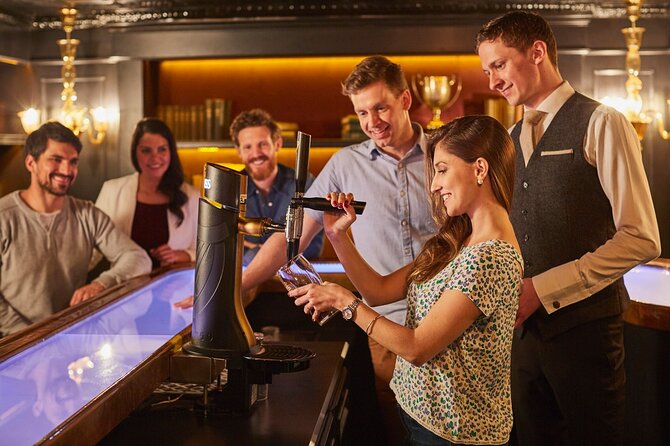
For many people, Guinness Storehouse is the reason to consider the pass. The seven-floor experience explains how the famous stout is made, then finishes at the Gravity Bar with city views and a pour of Guinness.
Allow about three hours. This is not a quick tasting room stop. It is a large, polished attraction with plenty of displays and a busy final bar.
You must reserve your time in advance. The digital guide and app provide instructions, but you should make the booking before your sightseeing day, especially if you have only one or two days in Dublin. Several complaints about the pass come from arriving without the required reservation or finding that an entry problem cannot be fixed quickly.
Jameson and Teeling whiskey
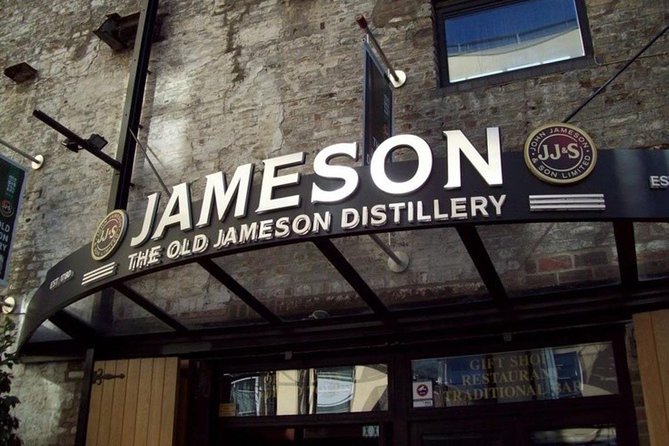
Jameson Distillery Bow St. offers a guided 45-minute experience in the original Bow Street buildings. You learn about Jameson by touching, smelling, and tasting the whiskey. It is compact, making it easier to fit into a busy day.
Teeling Whiskey Distillery gives you about an hour to follow the whiskey-making process from grain to glass. Visiting both distilleries gives you a useful comparison, though two tastings in one day may be more enthusiasm than your schedule or palate needs.
Jameson requires advance booking. Treat it like Guinness: reserve early, and do not assume that a pass alone secures a seat.
Same base, a very different sort of day:
- Dublin to Cliffs of Moher, including Wild Atlantic Way and Galway
★ 5.0 · 23,331 reviews - Dublin: Guinness Storehouse Entry Ticket
★ 4.6 · 16,863 reviews - Dublin to Cliffs of Moher, Burren, Wild Atlantic Way, Galway Tour
★ 5.0 · 12,924 reviews - Dublin to Belfast Black Cab, Dunluce Castle and Giant’s Causeway
★ 5.0 · 7,954 reviews
Dublin Castle, Christ Church, and St Patrick’s Cathedral
These three central sights form a strong historic core for your pass.
Dublin Castle includes the remains of the original Viking fortress, parts of the 13th-century castle, and the State Apartments. The apartments still host presidential inaugurations, state functions, and Ireland’s European Union presidencies. Allow about two hours.
Christ Church Cathedral is described as Dublin’s oldest building and spiritual center. Its Gothic architecture, artifacts, and Treasures of Christ Church exhibition make it more than a quick church visit. Plan about two hours.
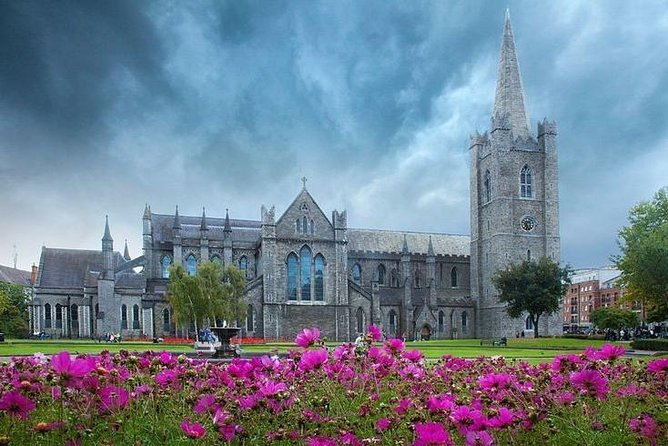
St Patrick’s Cathedral honors Ireland’s patron saint and is one of Dublin’s key landmarks. Its suggested visit also takes about two hours. These three paid attractions can supply a solid portion of the pass’s value, especially when combined with Guinness or a distillery.
EPIC and the Jeanie Johnston
EPIC The Irish Emigration Museum tells the story of Irish identity and emigration through 20 interactive galleries. Touchscreens, motion-sensitive games, audio, and video make it approachable, even if you are not normally a museum person.
The Jeanie Johnston is a famine ship museum with guided interpretation, artifacts, and personal accounts from emigrants who made the hard journey to North America. The visit lasts about 50 minutes.
These two stops work well together because both connect Ireland with the millions of people who left the island. EPIC is more high-tech and spacious. The ship is more focused and personal.
The smaller museums that add character
The Go City Pass is not only a checklist of major attractions. It can steer you toward places you might otherwise miss.
The Little Museum of Dublin presents the capital through local stories and objects. The GPO Museum examines the General Post Office, one of the world’s oldest operating postal headquarters and a major site in Dublin’s modern history.
At 14 Henrietta Street, a guided tour follows one Georgian house from grand beginnings to later tenement life. It takes about 75 minutes and gives you a sharper sense of how Dublin’s housing changed over time.
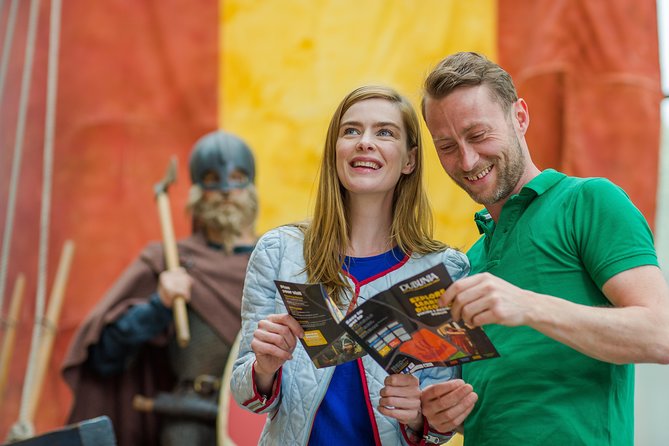
Dublinia covers Viking and medieval Dublin with interactive exhibitions. The Chester Beatty displays objects collected from Europe, the Middle East, North Africa, and Asia. The National Print Museum offers a guided historical tour, old printing machinery, and the chance to print your own souvenir poster.
The Irish Rock ’n’ Roll Museum Experience adds rehearsal rooms, memorabilia, and a chance to try a pretend rock-star setup. The National Wax Museum Plus includes Irish figures, a writers room, the Wax Factor, and a chamber of horrors.
These stops are especially useful on a wet afternoon. They are not all equal in financial value, but they give the pass flexibility when the weather makes outdoor sightseeing less appealing.
The free attractions and the value trap
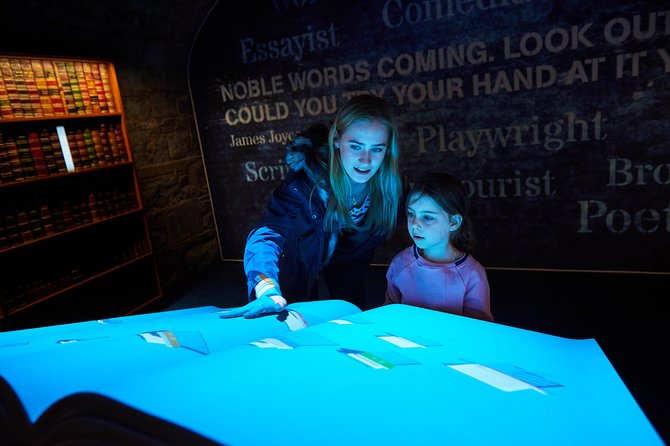
This is the most important financial warning. The pass lists more than 35 attractions, but some included venues normally admit you for free.
The National Museum of Ireland sites at Archaeology and Collins Barracks are free to enter. The National Gallery of Ireland also has free general admission, though the pass covers paid exhibitions. The National Botanic Gardens, Chester Beatty, and National Print Museum are also listed as included, but admission may already cost nothing.
That does not make these places worthless. The Archaeology museum has Viking, Stone Age, Egyptian, and medieval collections. Collins Barracks covers decorative arts and history in a former military setting. The National Gallery holds European and Irish works, including paintings by Rembrandt, Vermeer, Caravaggio, Goya, and Jack B. Yeats.
The point is simple: do not count free admission as savings. Use the pass to visit these places because you want to see them, not because they inflate the value calculation.
At the stated price of $94.91 per person, calculate the normal admission prices of the paid sights you truly plan to visit. If your list is Guinness, Dublin Castle, Christ Church, Jameson, and the bus, the pass may work well. If your plan centers on free museums and gardens, buying individual tickets may cost less.
A good first day with the Big Bus
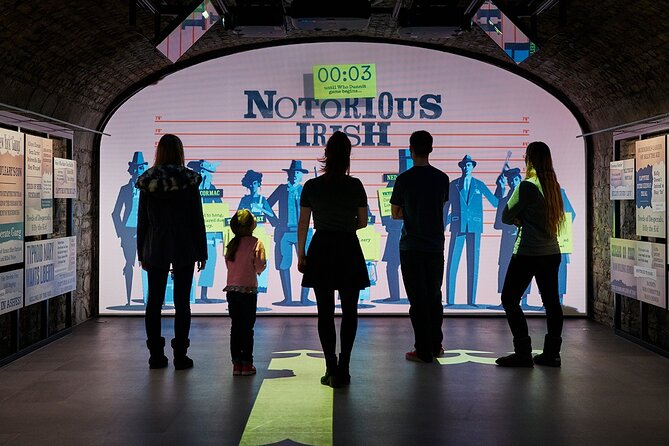
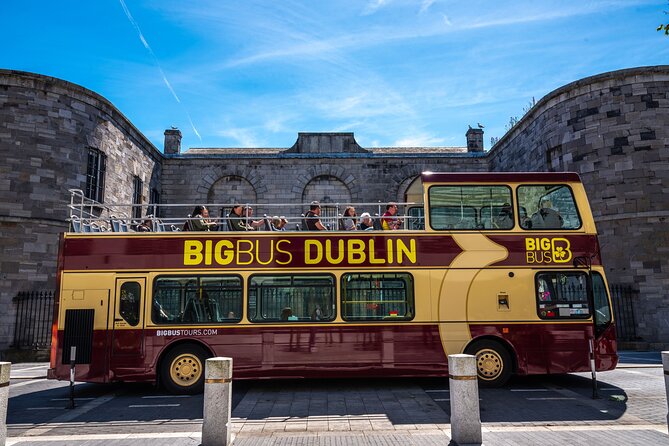
The included Big Bus Dublin hop-on hop-off tour lasts one day. It is a useful first move because you can ride around, hear the city commentary, and decide which stops deserve more of your time.
The buses are open-top double-deckers, though Dublin’s weather may make the lower deck the wiser choice. You can ride the full circuit or hop off near sights such as the castle and cathedrals.
Do not assume that a two-day pass includes two bus days. It includes one. Some passes may offer a separate discount on additional bus use, but that is not the same as free access.
The pass also lists a Big Bus coastal tour to Howth. This takes about four hours and includes a guided walk in the village, with stories linked to Viking and Norman times. It is a good choice when you want sea air and a break from central Dublin, but it uses a large part of a sightseeing day.
Estates, gardens, and trips beyond the center
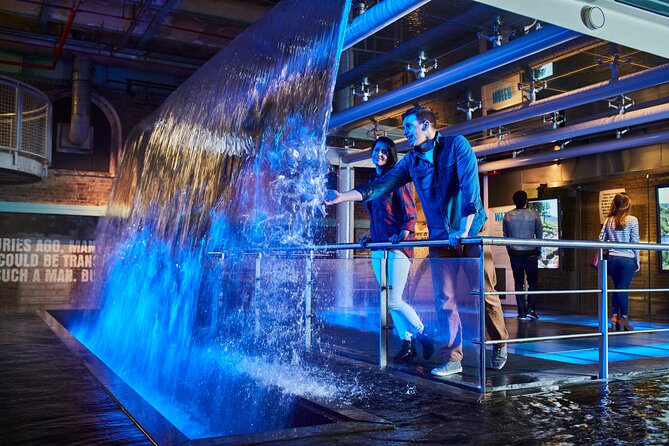
Malahide Castle and Gardens lies along the north Dublin coast. The 12th-century castle and grounds suit anyone who wants a change from city streets. Newbridge House offers a guided look at three centuries of Irish history, original furnishings, and artwork.
Farmleigh House and Estate includes an Edwardian mansion, gardens, and a lakeside area. Airfield Estate is a working dairy farm with woodlands, a vineyard, greenhouse gardens, and a focus on food, farming, and heritage. The Airfield visit can take about four hours, so it is not a casual add-on between central attractions.
The National Botanic Gardens are a pleasant full-day option, with restored Victorian conservatories, planted borders, and many plant species. Again, admission is normally free, so its value is measured in time and interest, not ticket savings.
Casino Marino is one of Dublin’s most entertaining architectural surprises. Its compact exterior conceals 16 rooms across three floors, including kitchens, servants’ rooms, and a state bedroom. The 18th-century pleasure house was designed by William Chambers for the Earl of Charlemont.
The Casino Model Railway Museum displays Cyril Fry’s handmade models. It is self-guided and takes about three hours according to the suggested timing. Skerries Mills offers a guided visit to 16th-century mills, a look at milling, and cream tea.
Castletown House is temporarily closed, so check its current status before building a route around it. The pass also includes the Irish National Stud and Gardens, about an hour’s drive from Dublin, with Japanese and St Fiachra’s gardens, retired racehorses, and an interactive racehorse exhibit.
Powerscourt Distillery lies toward the Wicklow Mountains and includes a one-hour tour with three whiskey samples. These outlying attractions can be worthwhile, but transport and travel time are your responsibility. They make more sense if you have several days or a car-based plan.
Food, bikes, books, and television sets
The pass includes two walking food options. Drinks on Foot takes about three hours and combines traditional Irish drinks with Dublin pubs and city stories. Food on Foot lasts about 90 minutes, with five stops for Dublin street food and local history.
A half-day bike hire offers four hours of independent sightseeing, but you need an advance reservation. This gives you freedom, though it also requires more route planning than the Big Bus.
The Museum of Literature Ireland, or MoLI, focuses on Irish writers and includes a landscaped courtyard, the Readers Gardens, and links to the Iveagh Gardens. The National Wax Museum, GPO Museum, and Rock ’n’ Roll Museum provide other short indoor options.
The Game of Thrones Studio Tour is listed as a three-hour experience. You can see full-scale sets connected with King’s Landing and Winterfell, costumes, props, and behind-the-scenes production material. It is not in central Dublin, so check the transport plan before counting it as a convenient city stop.
How to plan a one, two, or five-day pass
With one day, be realistic. Reserve Guinness or Jameson first, then add one or two nearby paid sights. The Big Bus can provide your city overview, but using it and fitting in several timed attractions may feel rushed.
Two days is the sweet spot for many people. Use the bus on day one, then group Dublin Castle, Christ Church, and St Patrick’s Cathedral with one museum or distillery. Keep Guinness on a reserved time slot and avoid filling every minute.
Three to five days allow you to add Malahide, Howth, EPIC, the Jeanie Johnston, Airfield, or one of the whiskey and estate trips. A longer pass is not automatically better, because the days still run consecutively and you need enough paid visits to justify the price.
Avoid activating the pass on a day when you might only take the bus and wait for better weather. Once first used, the clock is running through the selected consecutive days.
Who should buy the Dublin Pass?
I would consider it for a first visit with a clear list of paid attractions. It suits you if you like moving at a steady pace, want Guinness plus one or two other headline sights, and appreciate having the ticket on your phone.
I would skip it if you prefer slow mornings, free museums, gardens, and unplanned walks. I would also avoid it if you cannot reserve popular attractions in advance or if bad weather may disrupt your schedule.
The pass is non-refundable and cannot be changed after purchase, so do your arithmetic before paying. Add up the normal prices of the attractions you will actually enter, ignore free admission when calculating savings, and remember that the bus is included for only one day.
FAQ
How many days can I choose for the Dublin Pass?
You can choose one, two, three, four, or five consecutive days. The pass becomes active with first use.
Is the Big Bus hop-on hop-off tour included?
Yes. The pass includes one day of the Big Bus Dublin hop-on hop-off sightseeing tour. A multi-day pass does not automatically include a bus ticket for every day.
Do I need reservations for Guinness Storehouse?
Yes. Guinness Storehouse requires an advance reservation. Use the instructions in the Go City app or digital guide, and check the attraction directly before visiting.
Can I visit the same attraction twice in one day?
No. The pass allows admission to each attraction once per day. A two-day pass allows you to visit the same attraction on each of the two days.
Are food and drinks included?
No. Food and drinks are not included, except for special offers listed in the digital guide.
Can I cancel or change the pass?
No. The experience is non-refundable and cannot be changed for any reason after purchase.
My call on the Dublin Pass
Buy it when you can name at least three or four paid sights you will visit, reserve Guinness and Jameson early, and use the Big Bus as your first-day framework. Skip it when your Dublin plan is mainly free museums, gardens, and relaxed walks.
At $94.91, this is a planning tool, not a magic discount. Used with purpose, it can save money and spare you repeated ticket queues. Used casually, it can leave you paying for free attractions and racing the clock.
Just added around Dublin
- Gin School, distill you own gin, cocktails, tastings, food★ 5.0 · 8 reviews
- Dublin : Street Art Walking Tour★ 5.0 · 3 reviews
- Dublin: Personal Photographer- Travel Photography Experience★ 4.5 · 8 reviews
- Dublin: Skip-the-line Book of Kells & Old Town Private Tour★ 5.0 · 6 reviews
- Dublin: Howth Coastal Craft Beer and Seafood Tour★ 5.0 · 62 reviews
- Vikings In Dublin (Walking Tour)★ 5.0 · 8 reviews
- Dublin: Silent Disco Walking Tour★ 4.9 · 21 reviews
- Dublin: Private Tour of City Monuments in Spanish★ 5.0 · 6 reviews
City Tours, compared.

Cliffs of Moher, Burren & Galway City Day Tour
Read our review →

Dublin to Rock of Cashel, Cork City & Blarney Castle Guided Tour
Read our review →

Aran Islands and Cliffs of Moher Day Cruise sailing from Galway City Docks
Read our review →

Browse the lists this tour appears in