
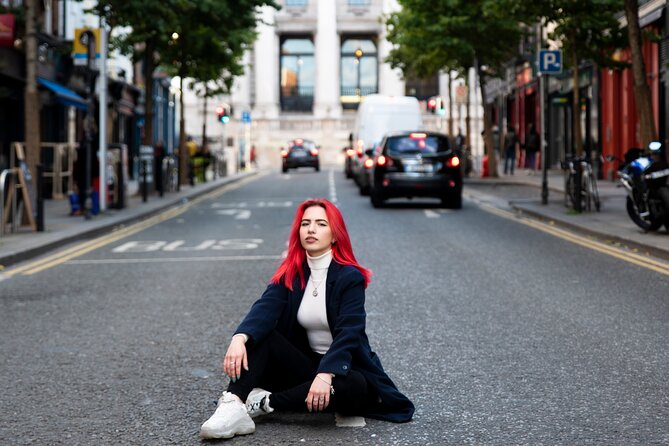
Reviewed · TOURS IN DUBLIN
PicTours Dublin
Dublin’s PicTours turns a city walk into a practical smartphone photography lesson. Over about 90 minutes, you move from St. Stephen’s Green to Grafton Street, Anne Street South, and two changing local spots while learning how to frame nature, architecture, street scenes, color, and people.
I like the relaxed teaching style, especially for beginners, and I like that the guides do more than point out photo spots. Anna, David, Anu, Shauna, and Anupama have helped visitors use iPhone features, improve lighting, and take better pictures without making the lesson feel technical. You also come away with photos taken during the tour.
The main drawback is pace. Five areas in 90 minutes means plenty of walking and only a short time at each stop. The exact final locations change, and the meeting point can be confusing because St. Stephen’s Green includes a park, shopping center, and square.
What makes this Dublin photo walk useful
- You learn with the phone you already carry: The focus is on practical camera functions, composition, light, filters, and Instagram tools rather than expensive equipment.
- St. Stephen’s Green starts gently: Nature and wildlife provide an easy first lesson before the walk moves into architecture and street photography.
- The route includes classic Dublin scenes: Grafton Street, buskers, the shopping center, colorful umbrellas on Anne Street South, and additional changing locations all fit into one short outing.
- Guides offer personal help: Small groups are capped at 15, and some sessions have been one-to-one or nearly so.
- You receive useful holiday pictures: Guides take photos of you as well as teach you how to take pictures yourself.
- The route is not completely fixed: Weather, new art installations, and the interests of the group can change the final two stops.
A photo lesson that also gets you oriented
PicTours is best understood as a city introduction with a camera lesson attached. You are not simply following a guide from one landmark to another. At each stop, the guide gives you a small task: find the right angle, use available light, frame a subject, or make an ordinary scene work better on a phone screen.
That format suits the first day or two of a Dublin visit. You walk through central areas, hear stories about the city, and learn where to look. The tour begins at 2:00 pm at Fusiliers’ Arch by St. Stephen’s Green, a useful central starting point for exploring the heart of Dublin afterward.
The teaching is aimed at ordinary phone users. You do not need a separate camera, and no camera equipment is included. If you already take photographs regularly, you may still pick up a useful trick. David, for example, helped an experienced photographer find a technique he had not used before.
The group limit of 15 matters here. Photography advice works best when the guide can see your screen, answer a question, or help you adjust a shot. Some sessions have been much smaller, including one person receiving one-to-one feedback.
Other days out people book from Dublin:
- Dublin to Cliffs of Moher, including Wild Atlantic Way and Galway
★ 5.0 · 23,331 reviews - From Dublin: Cliffs of Moher, Burren & Galway City Day Tour
★ 4.8 · 18,888 reviews - Dublin: Guinness Storehouse Entry Ticket
★ 4.6 · 16,863 reviews
St. Stephen’s Green: begin with nature and wildlife
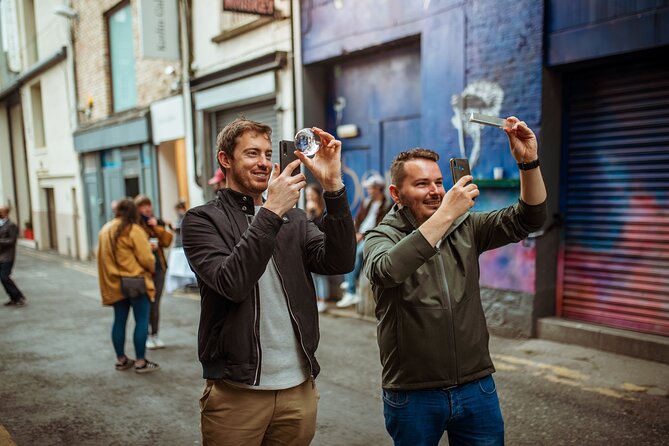
The first 15 minutes take place in St. Stephen’s Green. This is a sensible starting point because trees, plants, paths, and wildlife give you subjects that do not move too quickly. You begin with a basic technique for capturing nature, which makes the lesson approachable if your phone camera has always seemed more complicated than it should.
Expect the guide to show you how to frame a subject and use the available setting to make the picture cleaner. The park also gives you time to get comfortable with the group and with the guide before the walk reaches busier streets.
This stop is not a full tour of the park. Fifteen minutes passes quickly, so you should think of it as the first exercise rather than a long visit. If you want extensive time for flowers, birds, or park scenery, you will need to return on your own.
St. Stephen’s Green Shopping Centre: strong lines and indoor architecture
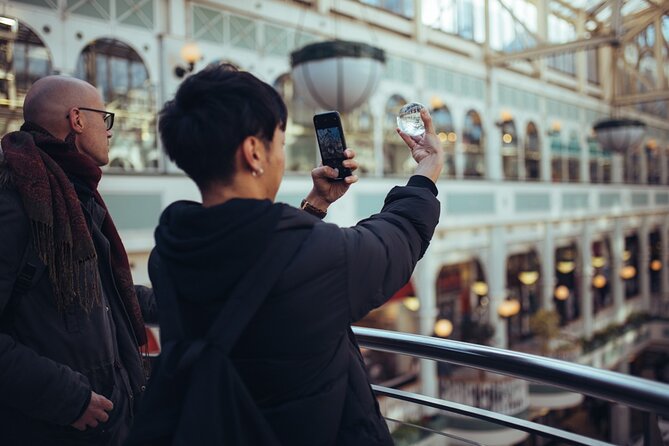
The next stop shifts indoors for about 15 minutes at St. Stephen’s Green Shopping Centre. The building is known for its architecture and its connection with Dublin’s past, including its use as a trading hall and association with early U2 gigs.
Here, the lesson turns to interior design and architectural photography. Large indoor spaces can be difficult to photograph on a phone because straight lines, ceilings, windows, and light all compete for attention. The guide shows you how to find a better position and how to make the building’s shape work in the picture.
This is also where you get an early Instagram tip. The value is not just a nice photograph of the building. You learn how to think about the image before pressing the shutter, which is the part that tends to improve your pictures after the tour ends.
Because this is a public shopping center, the experience is tied to the space being open and accessible at the time of the visit. The supplied details do not promise private access or a long history talk, so expect a short visual stop rather than an extended architectural visit.
Grafton Street: buskers, light, and street photography
Grafton Street is the liveliest part of the route. It is one of Dublin’s busiest and best-known streets, with buskers providing a natural subject for street photography. The guide explains how to make better use of the light and how to capture a scene without simply pointing your phone down the middle of the road.
This is where the tour becomes especially useful for holiday photos. Street scenes are harder than parks or buildings because people move, light changes, and the background can become cluttered. A few simple adjustments to position, timing, and framing can make a large difference.
You also learn about Instagram filters and hashtags, including how hashtags relate to the platform’s discovery service. That part will appeal most if you actually post your pictures. If you rarely use Instagram, it may feel less important than the camera instruction, but you can still apply the lighting and composition tips elsewhere.
Grafton Street can be busy, so you should expect a more active walking stop rather than a quiet photography session. Keep your belongings secure and stay aware of other pedestrians while taking pictures. The guide’s role is useful here because you can concentrate on the image without losing the feel of the street.
Same base, a very different sort of day:
- Dublin to Cliffs of Moher, Burren, Wild Atlantic Way, Galway Tour
★ 5.0 · 12,924 reviews - Dublin to Belfast Black Cab, Dunluce Castle and Giant’s Causeway
★ 5.0 · 7,954 reviews - Kilkenny, Wicklow Mountains & Glendalough Day Tour from Dublin
★ 5.0 · 7,897 reviews - From Dublin: Wicklow Mountains, Glendalough & Kilkenny Tour
★ 4.8 · 6,235 reviews
Anne Street South: color, contrast, and the umbrella installation
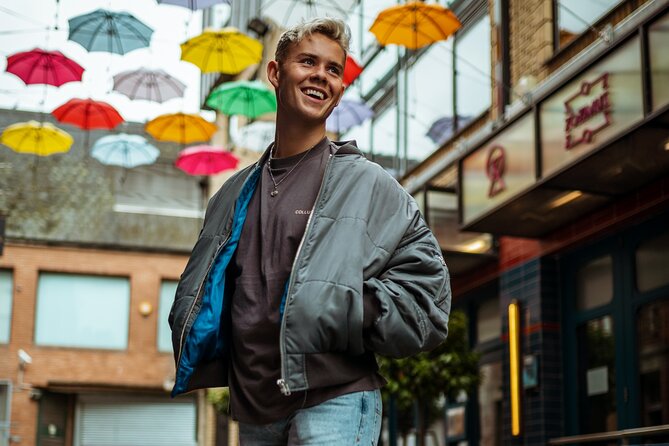
The walk then reaches Anne Street South, where an art installation featuring umbrellas provides a bright subject. The guide focuses on contrast, color, and the way available light affects the mood of a photograph.
This is one of the clearest examples of the tour’s practical approach. You are not just told that the umbrellas are attractive. You learn how to make the color stand out, how to place the subject in the frame, and how to use light when you cannot control the conditions.
The Instagram lesson here concerns posting time and how timing may help your picture catch the attention of friends and followers. Again, this is most useful if social media is part of the reason you want better pictures.
Art installations can change, and the route may be adjusted because of weather or new displays. That gives the walk some flexibility, but it also means you should not treat every listed location as a guaranteed fixed photo set. The guide will make the best use of what is available on the day.
Two changing stops for a less familiar Dublin
The final 30 minutes are reserved for two locations selected according to weather, new art installations, and the interests of the group. This is the most personal part of the tour. You might see corners of Dublin that you would not have found by following a standard sightseeing route.
You are encouraged to tell the guide if you have a preference for a certain type of photography or a particular area. That is worth doing at the beginning. If you want street scenes, portraits, architecture, color, or phone-camera basics, say so early enough for the guide to shape the final part of the walk.
The changing route is a strength for repeat visitors and for people who prefer local details to a fixed checklist. It is also the main uncertainty. You cannot book this experience expecting two named final landmarks, because the locations change daily.
The tour ends somewhere in Dublin rather than at one fixed return point. That is convenient if the final stop puts you near your next destination, but you should allow a little time to orient yourself afterward. The exact endpoint is not specified in advance.
What your guide adds to the experience

The guide makes a major difference because the tour depends on explanation and encouragement, not just scenery. The named guides in the supplied feedback include Anna, Ana, Anu, Anupama, Shauna, David, and Diana. Your guide will depend on the date.
Anna has been praised for combining Dublin stories with photography advice and for making beginners feel at ease. Shauna’s approach included patient explanations for someone who did not feel comfortable with technology. Anu has provided detailed iPhone help, including one-to-one feedback, while David has been described as friendly and good at combining local history with photography instruction.
Diana’s style included answering questions and explaining something about what makes Ireland special, with children enjoying the walk. That suggests the tour can work for families, provided everyone is comfortable walking and stopping often.
The teaching style appears encouraging rather than demanding. That matters if you are not confident with phone settings. You are likely to get more from the session if you bring your phone charged, keep the camera easy to access, and ask the guide to repeat any setting you do not understand.
The photo package is part of the value
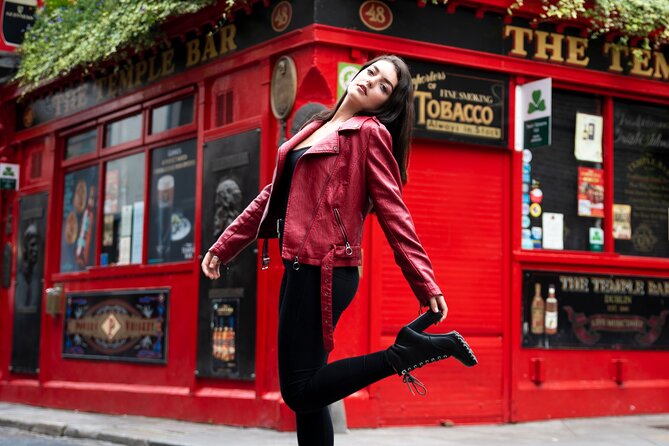
One of the strongest reasons to consider PicTours is that you are not only learning to take pictures. Guides also take photographs of you during the outing, and a collection may be sent to you a few days later.
That solves a common problem with solo travel or family holidays. The person who normally takes every picture can finally appear in some of them. One visitor said the guide’s photos became the best pictures of the holiday, while another appreciated getting professional-style images alongside the new phone skills.
The quality can vary with the guide, the phone accessory being used, and the light on the day. Do not treat this as a formal portrait session with a guaranteed number of edited images, because those details are not provided. Think of the photos as a useful bonus that adds personal value to the walk.
Price, timing, and who gets the most from it
The supplied price is $0 per person. Since a zero price can sometimes reflect a booking display or promotional arrangement, check the final amount and conditions before confirming. At the stated price, the value is unusually strong: you receive a 90-minute guided walk, photography instruction, Instagram advice, Dublin stories, and personal photos.
Even if the final booking price changes, the experience should be judged against what it gives you. A standard sightseeing walk may cover more landmarks, while a dedicated photography class may offer more technical depth. PicTours sits between the two and works best if you want both a feel for central Dublin and better holiday pictures.
The tour is offered in English, starts at 2:00 pm, and is available by mobile ticket. It is near public transportation, and most people can participate. Service animals are allowed. The route involves walking, and one direct account points out that there is a fair amount of it, so comfortable shoes are sensible.
You can cancel for a full refund up to 24 hours before the start time. Changes or cancellations made less than 24 hours before the local start time are not accepted for a refund. A guide illness once caused a same-day cancellation, with notice sent by email and text and a full refund provided.
The meeting point needs extra care
Fusiliers’ Arch is the official starting point at St. Stephen’s Green, with a Dublin postal address of D02 HX65. The wider area contains the park, the shopping center, and the square, so do not rely on a vague search for St. Stephen’s Green alone.
Plan to identify the arch before 2:00 pm. This small step can prevent a rushed start, especially if you are coming from the shopping center or a nearby café. The tour ends at a different point in Dublin, so ask the guide where you finish and use that information when planning your next activity.
Is PicTours Dublin worth booking?
I would choose PicTours if you want a gentle, useful introduction to Dublin and mainly take pictures with your phone. It is especially good for families, first-time visitors, solo visitors who want pictures of themselves, and anyone who knows their camera has features they never use.
You should skip it if you want a long historical tour, a fixed list of major landmarks, or a formal photography course with advanced camera work. The pace is brisk, the route changes, and the Instagram advice may be more than you need.
For most people, the best reason to book is the combination of personal guidance and lasting photos. Tell the guide what you want to learn, arrive ready to walk, and treat the changing route as part of the appeal. That gives you a practical afternoon in central Dublin and skills you can keep using after the city disappears behind you.
FAQ
How long does PicTours Dublin last?
The experience lasts approximately 1 hour and 30 minutes.
What time does the tour start?
The stated start time is 2:00 pm.
Where does the tour begin?
It begins at Fusiliers’ Arch at St. Stephen’s Green, Dublin, D02 HX65, Ireland.
Where does the tour finish?
The tour ends in Dublin, but each tour can finish at a different point.
Is camera equipment provided?
No. Camera equipment is not included, so you should bring and use your own phone or camera.
Is the tour conducted in English?
Yes. The experience is offered in English.
How many people can join the tour?
The maximum group size is 15 travelers.
Are the locations fixed?
The main stops include St. Stephen’s Green, St. Stephen’s Green Shopping Centre, Grafton Street, and Anne Street South. Two final locations change based on weather, new art installations, and the interests of the group.
Can I cancel for a full refund?
Yes. You can cancel at least 24 hours before the local start time for a full refund. Cancellations or changes made less than 24 hours before the start time are not accepted for a refund.
Just added around Dublin
- Gin School, distill you own gin, cocktails, tastings, food★ 5.0 · 8 reviews
- Dublin : Street Art Walking Tour★ 5.0 · 3 reviews
- Dublin: Personal Photographer- Travel Photography Experience★ 4.5 · 8 reviews
- Dublin: Skip-the-line Book of Kells & Old Town Private Tour★ 5.0 · 6 reviews
- Dublin: Howth Coastal Craft Beer and Seafood Tour★ 5.0 · 62 reviews
- Vikings In Dublin (Walking Tour)★ 5.0 · 8 reviews
- Dublin: Silent Disco Walking Tour★ 4.9 · 21 reviews
- Dublin: Private Tour of City Monuments in Spanish★ 5.0 · 6 reviews
Tours in Dublin, compared.
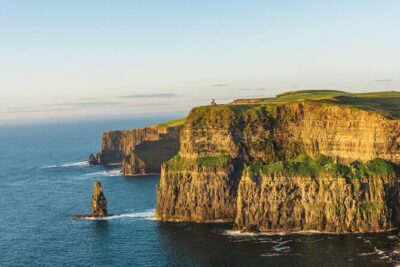
Dublin to Cliffs of Moher, including Wild Atlantic Way and Galway
Read our review →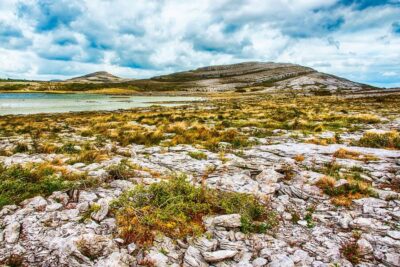
Cliffs of Moher, Burren & Galway City Day Tour
Read our review →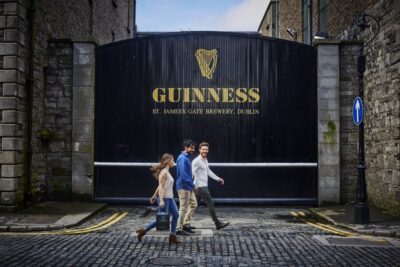
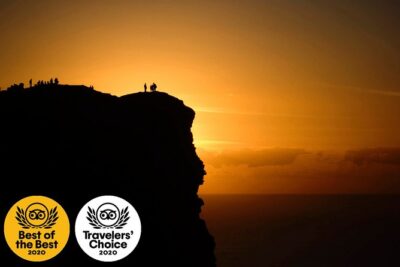
Dublin to Cliffs of Moher, Burren, Wild Atlantic Way, Galway Tour
Read our review →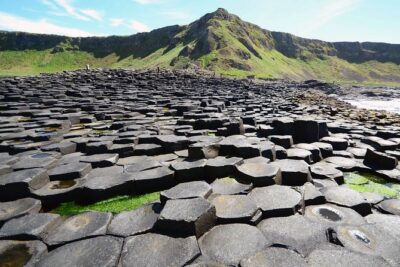
Dublin to Belfast Black Cab, Dunluce Castle and Giant’s Causeway
Read our review →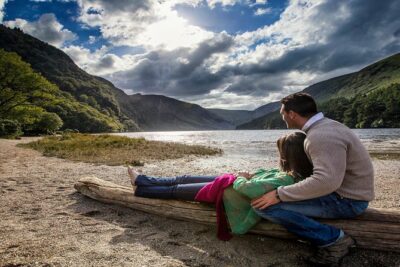
Kilkenny, Wicklow Mountains & Glendalough Day Tour from Dublin
Read our review →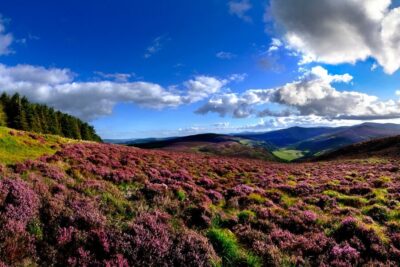
Wicklow Mountains, Glendalough & Kilkenny Tour
Read our review →
Browse the lists this tour appears in