
Reviewed · TITANIC & COBH HERITAGE TOURS
3-Day Northern Ireland Tour from Dublin: Giant’s Causeway & Titanic Experience
Northern Ireland packs a lot into a small corner of the island, and this three-day loop from Dublin gives you a quick look at its cliffs, castles, cities, and complicated past. You’ll visit the Titanic Experience in Belfast, walk Derry’s historic walls, and see the remarkable basalt columns at Giant’s Causeway.
I especially like the mix of natural wonders and difficult history, from Monasterboice’s Celtic crosses to the Bogside and the Peace Wall. I also like that the tour includes transport, breakfasts, accommodation, and major admissions, so you avoid the work of planning a cross-border route. The tradeoff is time: some stops, especially Galway on the final day, are brief, and a group of up to 56 people can make the trip feel busy.
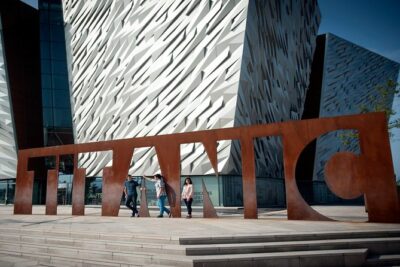
- Belfast’s Titanic Experience explains the ship’s story from design and construction to its tragic first voyage.
- Giant’s Causeway gives you about 90 minutes to walk among roughly 60,000 hexagonal basalt columns.
- Derry’s walls and Bogside provide clear context for the siege of 1689 and the Troubles.
- Two accommodation styles let you choose a hostel or B&B approach, depending on your budget and room needs.
- Guides make a major difference, with Freddie and Leigh praised for humor, care, and local insight.
- The third day is scenic but road-heavy, with short stops at Strandhill and Galway before Dublin.
A Big Northern Ireland Overview in Three Days
This is not a slow, linger-over-lunch kind of tour. It is a practical route for you if you want to see Northern Ireland’s main sights but do not want to rent a car, plan cross-border transport, or book separate city tours.
You leave Dublin at about 7:50 a.m. from 5 Beresford Place in Dublin 1. The air-conditioned coach has WiFi, and the route returns to the same meeting point after the third day. Timings are approximate, and your guide can adjust the order or length of stops.
The tour costs $475.37 per person. That is not pocket change, but it covers two nights, two breakfasts, transport, the Titanic Visitor Centre, Giant’s Causeway Visitor Centre, and a guided walking tour in Derry. You still pay for lunches, drinks, and optional activities, but the price can be fair if you value convenience and want a packed itinerary.
The main question is pace. You will cover a large amount of ground, and the final day includes a long return to Dublin. If you have six or more days in Ireland, a longer Northern Ireland tour would give you more time at the Causeway, Belfast, Derry, and Galway. If three days is all you have, this route gives you a useful first look.
Monasterboice and the Celtic Crosses
Your first stop is Monasterboice, an early monastic settlement dating to 501 AD. You have about 20 minutes here, which is enough to see the site but not enough for a slow archaeological visit.
The main attraction is the collection of carved Celtic crosses. These are among the best preserved and most intricate in Ireland, with stonework that rewards a close look. The intact round tower adds a strong visual focal point and recalls the days when monasteries needed protection from raiders.
I like this opening stop because it gives you a quick sense of Ireland before the main Northern Ireland sights begin. It is also a useful reminder that this trip is not only about scenery and famous attractions. The drawback is simply the short visit. You will need to keep moving.
Other northern day trips from Dublin:
- Dublin to Belfast Black Cab, Dunluce Castle and Giant’s Causeway
★ 5.0 · 7,954 reviews - Dublin to Dunluce Castle, Giant’s Causeway, Dark Hedges & Belfast
★ 5.0 · 4,781 reviews - Dublin to Belfast Titanic, Dunluce Castle & Giant’s Causeway Tour
★ 5.0 · 3,729 reviews
Belfast, Titanic, and the Story of a Divided City
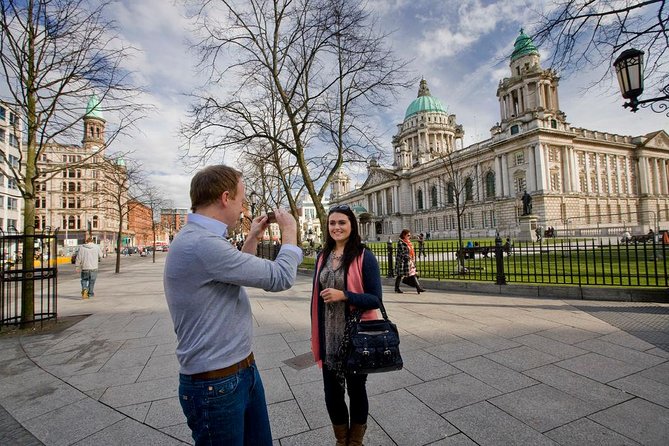
By late morning, you reach Belfast for a guided orientation and a visit to the Titanic Experience. The city highlights include City Hall, Queen’s University, Albert’s Clock, and Botanic Gardens, though the amount of time at each point depends on the day’s schedule.
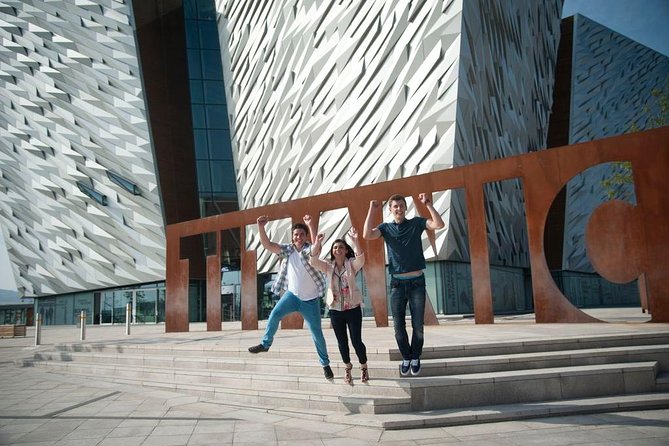
The Titanic Experience is the main Belfast admission. It follows the ship from its conception and construction in Belfast to its launch, maiden voyage, and sinking. The attraction gives the city’s industrial past a clear focus, since Titanic was built here in the early 1900s.
You then have free time in Belfast. The optional Black Taxi tour is one of the smartest add-ons if you want to understand the Troubles. Local drivers take you to sites such as the Peace Wall and political murals, explaining what life was like during the conflict from 1969 to 1998. The taxi tour is not included, so you arrange and pay for it separately with the driver or guide.
Belfast is also your first overnight stop. The downtown location puts pubs and restaurants within reach, and live music is common in the city. Your accommodation may be a hostel or B&B, depending on the option you select. If you book the economy option, you need to confirm the room type. Twin rooms have two single beds, double rooms have one double bed, and triple rooms have three single beds.
One point deserves attention: the coach can hold up to 56 people. That keeps the price down, but it also means seating can feel random and the group can take time to gather. One guide, Freddie, received especially warm praise for making the journey enjoyable while handling both driving and guiding. That is a demanding job, and your experience will depend partly on who leads the departure.
The Dark Hedges and the Road to the Causeway
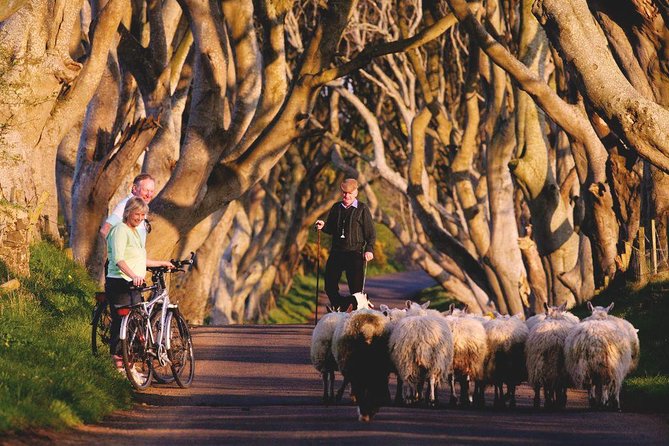
Day two takes you along Northern Ireland’s north coast. The first stop is the Dark Hedges, a tree-lined avenue made famous by Game of Thrones. You have about 20 minutes here, so expect a quick photo stop rather than a long walk or woodland visit.
The attraction is visual and compact. The twisted trees create a striking corridor, but its fame also means the stop can feel more like a brief scenic pause than a full activity. It works well as an introduction to the coast before the main event at Giant’s Causeway.
Giant’s Causeway, Northern Ireland’s Essential Stop
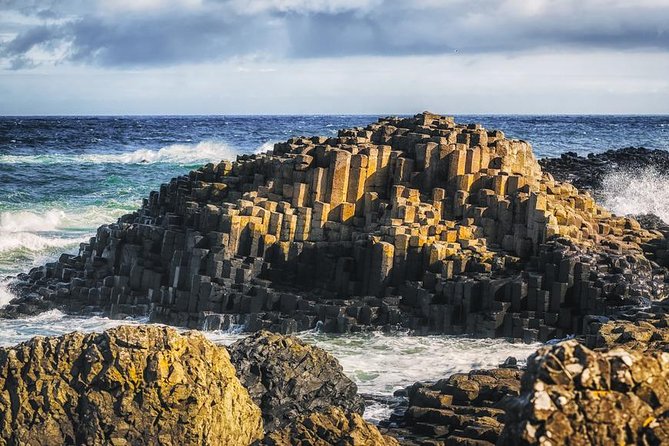
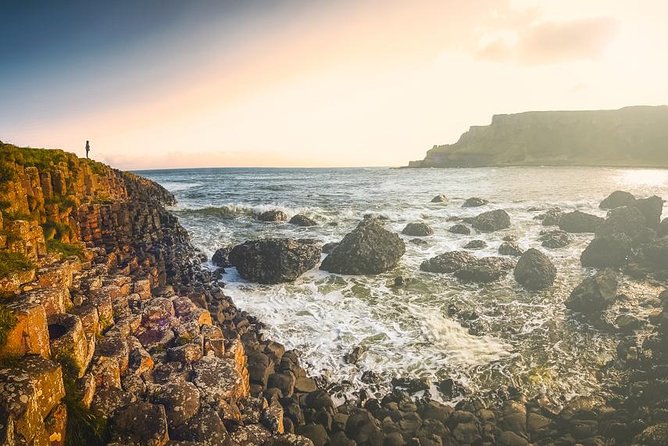
Giant’s Causeway is the strongest reason to book this tour. The UNESCO-listed site contains an estimated 60,000 hexagonal basalt columns, formed by ancient volcanic activity. The regular shapes look almost engineered, which explains the old legend that the Irish giant Fionn McCool built the causeway to face the Scots.
You have about 90 minutes here. That gives you time to walk down to the columns, take photographs, and get a taste of the coastal paths. It does not give you time to explore every trail or linger through changing weather and light.
The rocks are the sort of place where a short visit can feel frustrating. You may want to stay all day, especially if the weather is clear and you want to walk farther along the coast. Still, the tour gives you enough time to see the central formation and understand why it is Northern Ireland’s best-known natural sight.
The tour also includes entry to the Giant’s Causeway Visitor Centre. The center adds background and helps explain the geology and legends, though the columns themselves are the real attraction. Wear sturdy shoes and bring a rain layer. The tour operates in all weather, and the coast is not a place for delicate footwear.
The Carrick-a-Rede Rope Bridge is listed among the tour highlights, and the experience is associated with a visit to the north coast. Since the detailed day-by-day schedule does not give a separate duration or admission note for the bridge, you should confirm the exact stop and availability before booking if crossing it is a top priority. Weather and local conditions can affect coastal visits.
More harbour history around Dublin:
- Dublin: Giant’s Causeway, Dark Hedges, Dunluce and Belfast Titanic entrance fee
★ 5.0 · 2,301 reviews - Giant’s Causeway with the Titanic Exhibition and the best of Northern Ireland
★ 5.0 · 1,122 reviews - Belfast Day Tour From Dublin: Including Titanic Experience
★ 4.0 · 204 reviews - Dublin: Full-Day Tour to Cork, Cobh and Blarney Castle
★ 4.4 · 155 reviews
Derry’s Walls, the Bogside, and Difficult Questions
From the Causeway, you continue to Derry, officially known as Londonderry. The city gives the tour its most serious historical content.
A local guide leads a walking tour along the city walls. You learn about the long siege of 1689, when the walled city resisted forces loyal to James II. The walls also provide a useful way to understand the city’s layout, with views over the streets and the River Foyle.
The tour continues to the Bogside, the district connected with the Troubles and the Bloody Sunday massacre of 1972. This is not light sightseeing, but it is important. You will hear about the political and social divisions that shaped Northern Ireland, rather than seeing only castles and coastal scenery.
A guide named Rory was praised for explaining difficult and complicated subjects fairly. That kind of local presentation matters here. You do not need a lecture filled with dates, but you do need clear context and room to ask questions.
You have about 90 minutes for the walking tour and time afterward. That is enough to get your bearings and see the main areas, but not enough for a full museum program or a slow exploration of every street. You spend the second night in or near Derry, with time to find a meal and explore on your own.
Dunluce Castle Above the North Coast
Dunluce Castle is one of the trip’s best photography stops. The ruins sit dramatically above the coast, and the broken walls make an immediate impression even if you are not a castle specialist.
You have about an hour here. That gives you time to view the ruins and the surrounding sea views without feeling rushed. The site also adds a welcome change of pace after the more structured city tour in Derry.
The castle is valued more for atmosphere and setting than for a long guided interpretation. You will want to keep your camera ready, but remember that the tour continues on a tight schedule. The visit is a taste of the site, not a complete study of medieval Northern Ireland.
Strandhill and a Long Final Day
After breakfast on day three, you head south along part of the Wild Atlantic Way. The first major stop is Strandhill in County Sligo, known as a leading surf beach in Ireland.
You have about an hour for refreshments and a look at the beach. It is a pleasant break from the coach, though the value depends on your expectations. If you want a proper beach walk or time for surfing, one hour is short. If you simply want fresh air and coffee before the final stretch, it works well.
The final stop is Galway, where you have about an hour of free time. Galway is a good place for a quick meal, a seafood stop, or a pint in one of its pubs. But one hour is not enough to get a full feel for the city, and you should not expect an extended city tour.
This is the tour’s weakest day for anyone who dislikes long coach rides. The route covers a lot of ground between western Ireland and Dublin, and the stops are short. One account of the trip described spending nearly the whole day on the coach with less than three hours in Galway. That criticism is fair. The final day is about returning efficiently, not spending a full day in Galway.
Accommodation, Meals, and Group Size
Two breakfasts are included, along with two nights of accommodation in Belfast and Derry. You choose between hostel and B&B arrangements, subject to the available option and room type.
The accommodation is best approached as clean, practical lodging rather than a luxury stay. The economy option requires at least two people per booking, and you should confirm whether you need twin, double, or triple beds. Solo visitors need to pay particular attention to the booking conditions.
Lunches and drinks are not included. You should plan to buy food during the daily stops, especially since the schedule may not allow time for a long sit-down meal. Belfast, Derry, Strandhill, and Galway all offer food options, but the time available varies.
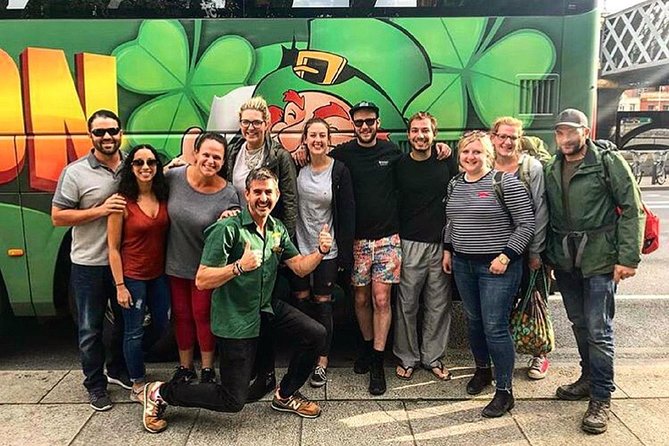
The maximum group size is 56. That is a sizable coach group, and it affects the feel of the trip. You may wait while people board, leave attractions, or gather for a walking tour. The benefit is a lower price than a small private tour, plus a chance to meet people from different places.
The guide can make or break the experience. Freddie was singled out for humor and local knowledge, while Leigh was praised for keeping the journey informative and enjoyable. Another guide made special efforts to help a family traveling with small children. Those details suggest that the best guides do more than follow the route. They adjust when they can.
Who Should Book This Tour?
You should consider this tour if you want to see the Giant’s Causeway, Belfast, Derry, and Dunluce Castle without driving. It is also a good fit if you enjoy a social coach trip, want included accommodation, and prefer having a guide explain the political background.
It suits younger budget-minded visitors particularly well, given the hostel and B&B setup, pub-focused evenings, and large group. Older visitors can still enjoy it, but the long coach hours, quick stops, and informal arrangements may be less comfortable.
Families can make it work, especially with a flexible guide, but the pace is not designed around children. The early start, long driving days, and serious history in Derry require patience.
You should think twice if your priority is hiking at Giant’s Causeway, spending a full day in Belfast, or exploring Galway in detail. This tour gives you a broad sample, not extended time in any one place.
Practical Details Before You Pay
The meeting point is 5 Beresford Place, Mountjoy, Dublin 1, and departure is scheduled for 7:50 a.m. You receive confirmation when you book, and your reservation is assigned to the pickup point and collection time selected during booking.
If you need to change to another Paddywagon pickup point, contact the company by phone or email before 5 p.m. the evening before. The change is only secure once it is confirmed in writing.
The tour runs in all weather, so pack waterproof clothing and comfortable shoes. The schedule is approximate and remains at the guide’s discretion. Most people can take part, but you should be ready for walking at Monasterboice, Giant’s Causeway, Derry, and Dunluce Castle.
The booking is non-refundable and cannot be changed for any reason. That makes travel insurance and careful date selection sensible, especially since the price is substantial.
Should You Book It?
Book this tour if you want a convenient, well-filled introduction to Northern Ireland and accept that convenience means compromise. The Titanic Experience, Derry walking tour, Giant’s Causeway, and Dunluce Castle make a strong two-day core, while Monasterboice, Strandhill, and Galway broaden the picture.
Skip it if you need free time, small groups, or a slow trip. The strongest parts deserve more than the schedule allows, and the third day involves a long ride back to Dublin. For a first visit with limited time, though, the route gives you memorable scenery, serious historical context, and a practical way to cross much of the island without taking the wheel.
FAQ
Where does the tour depart from?
The tour departs from 5 Beresford Place, Mountjoy, Dublin 1, Ireland, at approximately 7:50 a.m.
Where does the tour finish?
The tour returns to the original meeting point in Dublin.
How long does the experience last?
The tour lasts approximately three days and includes two nights of accommodation.
Is accommodation included?
Yes. Two nights of accommodation in Belfast and Derry are included. Options may include hostel or B&B lodging, depending on the booking choice.
What room types are available for the economy option?
The available room types include a twin room with two single beds, a double room with one double bed, and a triple room with three single beds. The economy option requires at least two people per booking.
Is breakfast included?
Yes. Two breakfasts are included.
Is the Titanic Experience included?
Yes. Entry to the Titanic Visitor Centre in Belfast is included.
Is the Black Taxi tour in Belfast included?
No. The Black Taxi tour is optional and is arranged and paid for separately with the driver or guide.
What is the maximum group size?
The tour can have up to 56 participants.
Does the tour operate in bad weather?
Yes. The tour operates in all weather conditions, so you should dress appropriately. Timings can change at the guide’s discretion.
Just added around Dublin
- Wicklow Mountains Private Day Tour including Glendalough★ 5.0 · 7 reviews
- Wicklow: Private Day Tour from Dublin★ 5.0 · 5 reviews
- Women Of Ireland: Trailblazers & Pioneers★ 5.0 · 4 reviews
- Premium Irish Whiskey Tasting Hosted by Local Dublin Expert★ 5.0 · 77 reviews
- Whiskey Tasting Tour of Dublin★ 5.0 · 117 reviews
- Wicklow Mountains & Glendalough Luxury Private Day Tour★ 5.0 · 23 reviews
- Wicklow tour of Glendalough★ 4.5 · 8 reviews
- Semi-Private (8people max) 2.5 Hr Dublin Walking Tour★ 5.0 · 69 reviews
Titanic & Cobh Heritage Tours, compared.
Dublin to Belfast Titanic, Dunluce Castle & Giant’s Causeway Tour
Read our review →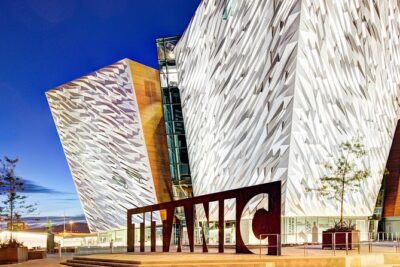
Giant’s Causeway, Dark Hedges, Dunluce and Belfast Titanic entrance fee
Read our review →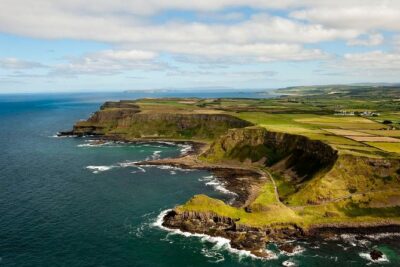
Giant’s Causeway with the Titanic Exhibition and the best of Northern Ireland
Read our review →
Cobh (Cork) to Blarney Castle & Kinsale – Shore Excursion
Read our review →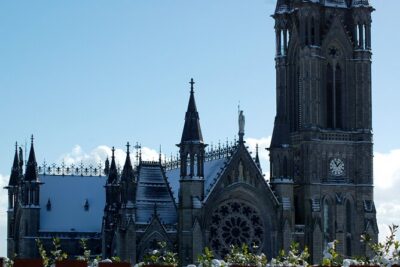
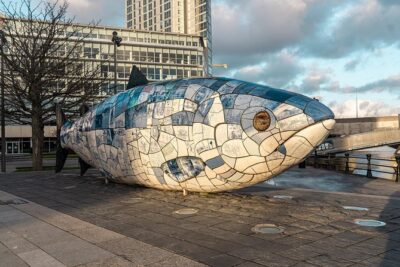
Belfast Day Tour From Dublin: Including Titanic Experience
Read our review →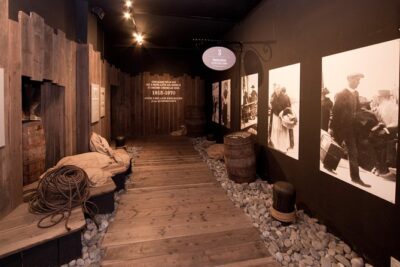
The Queenstown Story @ Cobh Heritage Centre , Great Stories of Emigration.
Read our review →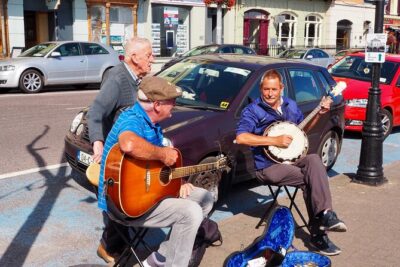
Visit 16 Sites Key Historical Sites And Experience Cobh Rebel Tours
Read our review →Browse the lists this tour appears in