
Reviewed · TOURS IN COUNTY CLARE
Doolin Cave Tour: Experience Europe’s Largest Stalactite
Europe’s largest stalactite hangs inside Doolin Cave, formed by one drop of water falling again and again for hundreds of thousands of years. That is the headline, but the real appeal is the contrast between the dark cave below and the wild 1km eco-trail above.
I like the clear, compact format and the guides, who keep the visit informative without making it a long lecture. I also like that the ticket includes the trail, parking, and a chance to see the unusual glacial clay pottery. The main drawback is physical: you must manage about 125 steps into and out of the cave, with some low sections and potentially slippery footing.
Key points to know before you go
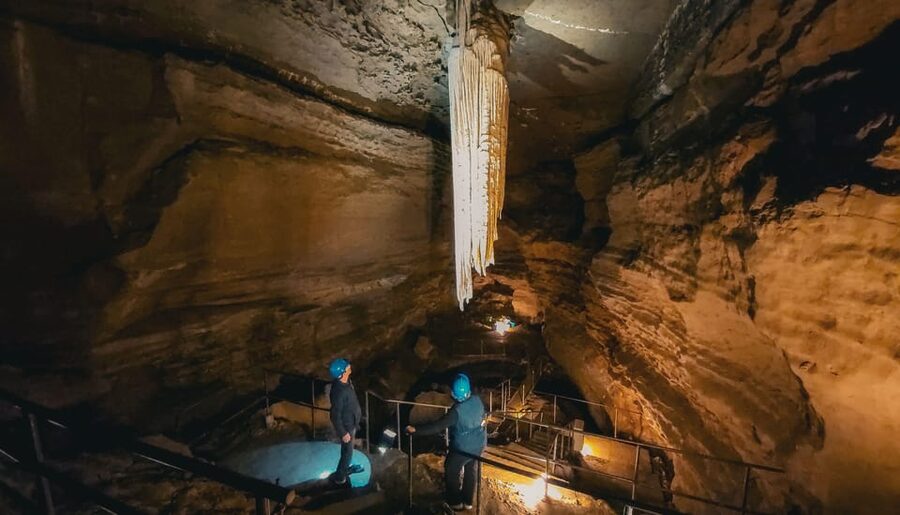
- Europe’s largest stalactite: The cave’s main attraction is a single huge formation created by water over hundreds of thousands of years.
- About 70 feet underground: The guided visit takes you below the surface into a cool limestone cave kept at about 11°C, or 52°F.
- 125 steps each way: Landings appear every ten steps, and a handrail runs throughout, but this is not a suitable outing for everyone.
- A 1km looped eco-trail: Your admission includes an above-ground walk through the rugged limestone setting.
- A short, focused tour: The cave visit lasts about 50 minutes, making it easy to fit into a day around Doolin and County Clare.
- Small-group guiding: The English or Irish-speaking guide adds context, humor, and practical help on the stairs.
Why Doolin Cave is worth your time
Doolin Cave gives you one strong reason to go: a chance to see an exceptional natural formation in its original setting. The stalactite is not a replica or a museum display. It hangs from the cave roof, shaped slowly by water passing through limestone.
That slow process is worth pausing over. One drop of water seems insignificant, but repeated drops can leave behind minerals that build a formation over a vast stretch of time. Here, the result is Europe’s largest stalactite, making the visit less about a standard cave walk and more about seeing a rare geological feature.
I also like the balance between the underground and above-ground portions. The cave is dark, cool, and enclosed. The trail gives you open air and a wider sense of the local limestone terrain. If you have driven to Doolin for the area’s natural scenery, the trail helps connect the cave to what you see above ground.
The entire guided cave visit takes about 50 minutes. That is long enough to explain the formation and the cave’s setting, but short enough for families and for anyone fitting Doolin Cave between other stops. You can spend extra time on the trail afterward rather than being rushed through one long fixed program.
Other days out people book from Ireland:
- Dublin to Cliffs of Moher, including Wild Atlantic Way and Galway
★ 5.0 · 23,331 reviews - From Dublin: Cliffs of Moher, Burren & Galway City Day Tour
★ 4.8 · 18,888 reviews - Dublin: Guinness Storehouse Entry Ticket
★ 4.6 · 16,863 reviews
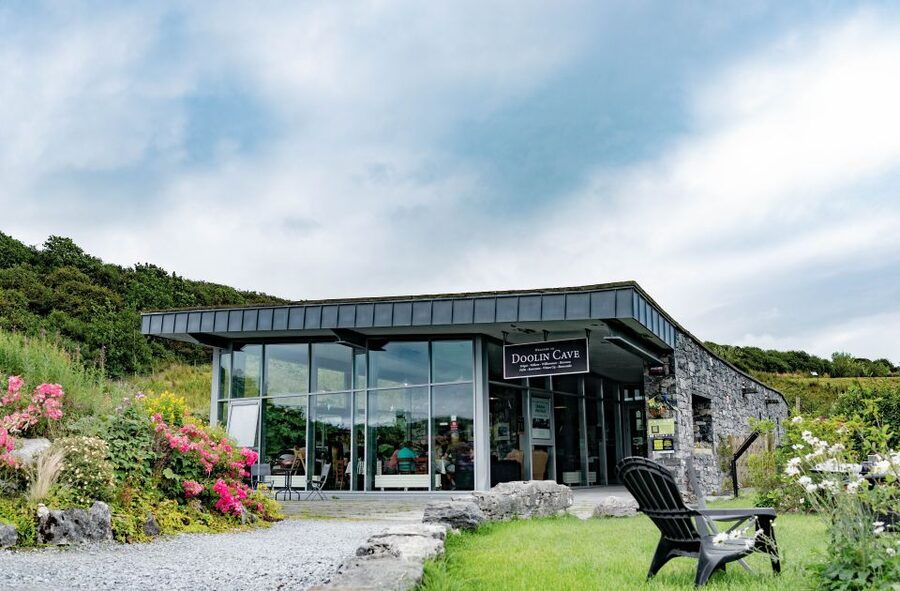
At the visitor center and reception desk
Your visit begins at the reception desk in the visitor center. Have your mobile or printed ticket ready, then prepare for the guided descent.
Onsite parking is included, which is useful if you are touring County Clare by car. Food and drinks are not included, and they are not allowed in the cave, so plan to eat before or after the visit rather than expecting a café stop to be part of the tour.
The setting also includes glacial clay pottery that you can take home. This is a nice extra for anyone interested in local craft and geology, though it is separate from the cave admission itself.
The grounds may also include goats and donkeys that you can see or pet after the tour. That can be a welcome small touch for families, especially after the more serious business of climbing in and out of the cave.
The descent: 125 steps into the limestone
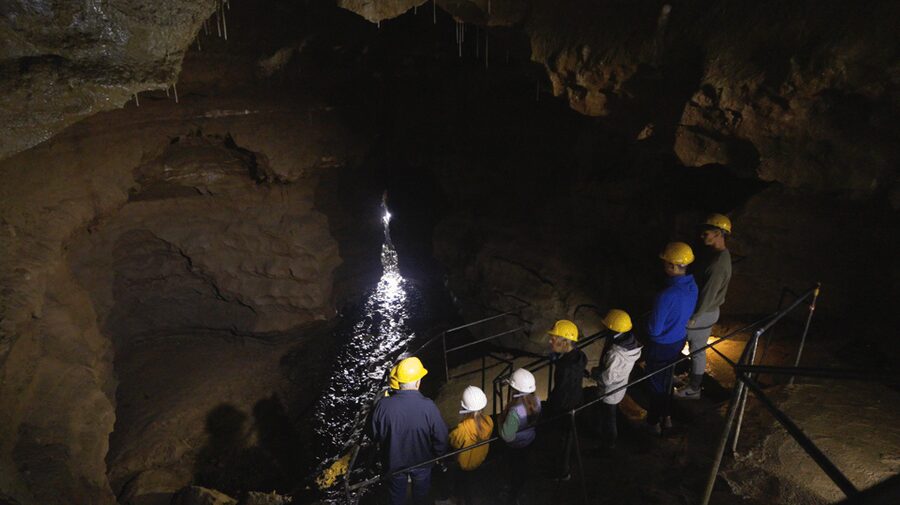
The cave entrance leads you down about 70 feet below ground. Expect roughly 125 steps each way. There is a landing every ten steps and a handrail along the route, which makes the descent more manageable, but you still need a reasonable level of fitness and balance.
The steps can be slippery, so closed-toe shoes with a firm grip are the sensible choice. Avoid sandals, flip-flops, and other open-toed footwear. Comfortable shoes matter more here than stylish ones.
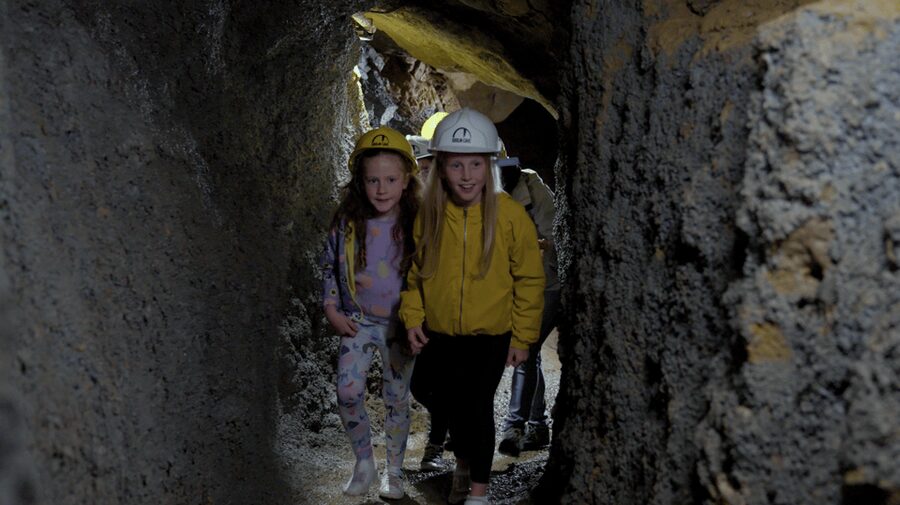
You should also expect some low sections inside the cave. The route is not simply a wide staircase followed by a large room. The natural cave environment includes tighter and lower areas, so anyone uncomfortable in enclosed spaces should think carefully before booking.
The steady temperature is about 11°C, or 52°F, all year. That means the cave feels cool in summer and comparatively mild in winter. A light jacket or warm sweater is useful even if the day outside is warm. The ground and steps may also feel damp, so clothing and footwear should be chosen for practical comfort.
The descent is part of the experience, but it is also the clearest limitation. Doolin Cave is not suitable for wheelchair users, pregnant women, people with back or heart problems, or people with certain pre-existing medical conditions. The stated guidance also rules out baby strollers, and small children or babies must be carried because buggies cannot enter the cave.
Seeing Europe’s largest stalactite
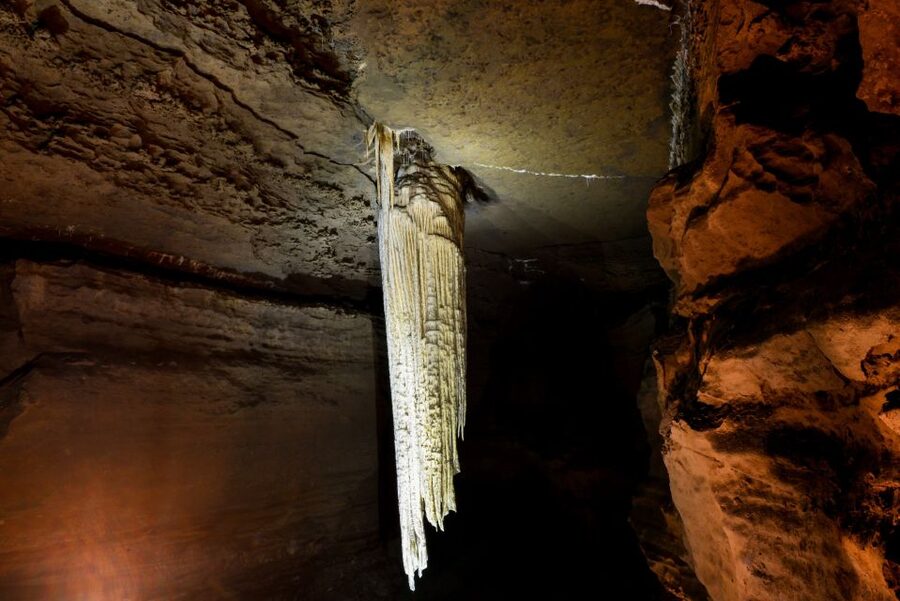
At the bottom, your guide explains the cave and points out the main formation. The central story is simple and memorable: water moved through the limestone, and mineral deposits gathered over hundreds of thousands of years until they formed the huge stalactite overhead.
That explanation gives the sight some scale. You are not just looking at a large rock hanging from a ceiling. You are seeing a formation made by an almost impossibly slow natural process. The ordinary action of water becomes extraordinary when given enough time.
The guide is an important part of this stop. A good explanation keeps the visit from becoming a quick look at a dark shape, and the guides are praised for being informative, funny, and clear. Tours are kept to small numbers, which helps you hear the commentary and take the stairs at a sensible pace.
You should not expect a long underground expedition. The attraction is concentrated around the main formation and the limestone surroundings. That focus works well for a 50-minute outing, particularly if you are traveling with young children or have several stops planned for the day.
Same base, a very different sort of day:
- Dublin to Cliffs of Moher, Burren, Wild Atlantic Way, Galway Tour
★ 5.0 · 12,924 reviews - Dublin to Belfast Black Cab, Dunluce Castle and Giant’s Causeway
★ 5.0 · 7,954 reviews - Kilkenny, Wicklow Mountains & Glendalough Day Tour from Dublin
★ 5.0 · 7,897 reviews - From Dublin: Wicklow Mountains, Glendalough & Kilkenny Tour
★ 4.8 · 6,235 reviews
The limestone setting around the main chamber
The stalactite gets the title, but the cave’s limestone environment gives it context. Limestone is easily shaped by water, and the cave shows what can happen below ground when water works through the rock over very long periods.
The atmosphere is quiet, cool, and unlike the open countryside above. I like that the cave does not need artificial thrills. Its appeal comes from darkness, stone, water, and time. That makes it a good choice for travelers who prefer a natural attraction with a clear scientific story rather than a heavily staged show.
You will need to watch your footing and follow the guide’s instructions. This is not the sort of place where you can wander freely or move at your own pace throughout. The restrictions protect the cave and keep the group together, but they also mean that anyone wanting a long, independent exploration may find the visit limited.
The guide’s commentary helps give the cave meaning. The strongest parts of the tour explain how the stalactite formed and why the limestone environment looks the way it does. The information stays accessible, which is one reason the short format works for families.
The 1km looped eco-trail above ground
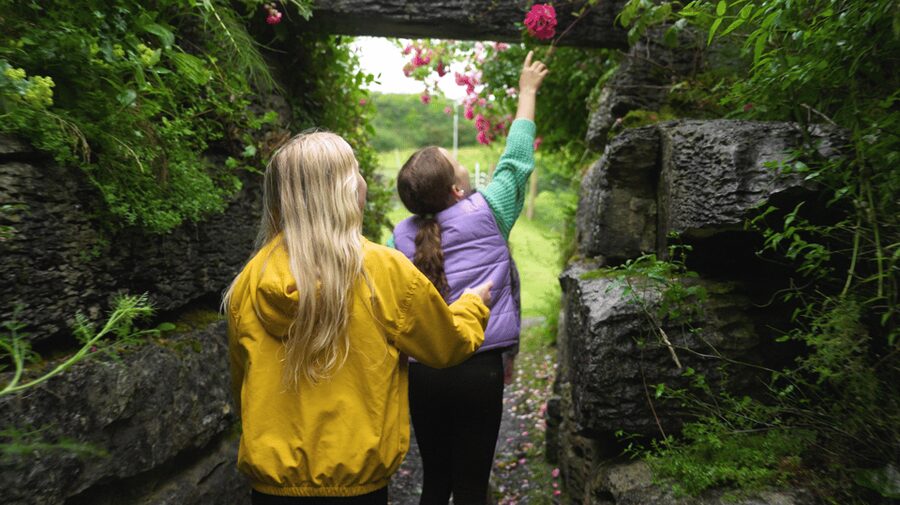
After the cave, take time for the 1km looped eco-trail. It is included with admission and is optional, so you can decide how much energy you have left after the stairs.
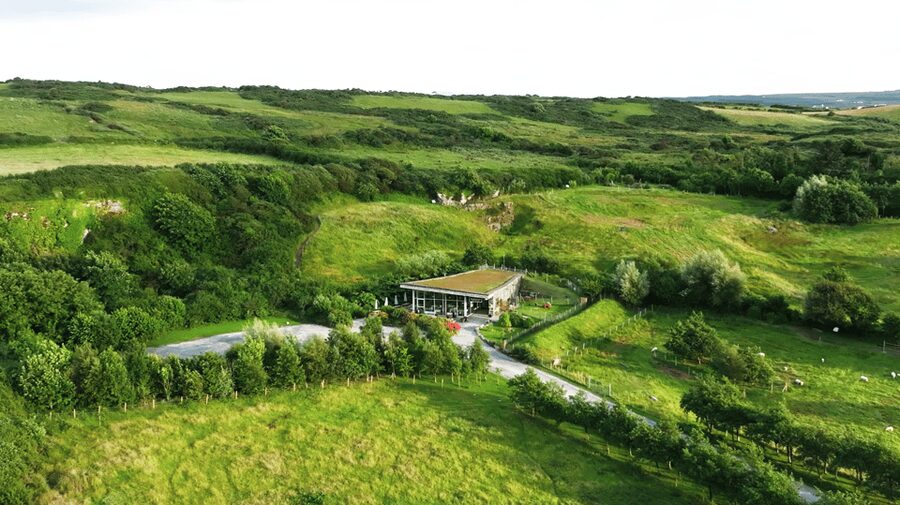
The trail provides a useful change of pace. Below ground, you focus on one geological feature in a cool, enclosed space. Above ground, you get the wild character of the area and a broader view of the limestone setting. The walk also gives you room to talk, take photographs, and let children burn off energy.
Do not treat the trail as a separate major hike. It is a short loop, not a full-day walk, and its value comes from adding an outdoor element to the cave visit. If your schedule is tight, you can finish the guided portion in about 50 minutes. If you have time, the loop makes the admission feel more complete.
I would especially recommend it after the cave because it helps reset your senses. The contrast between the underground temperature and the open air is part of the charm. You also get a better sense of the natural setting that produced the cave, rather than seeing the attraction as an isolated underground room.
How the tour works for families

The short length is a real advantage for families. Young children can manage a 50-minute guided visit more easily than a long cave program, and the explanation is designed to be interesting without becoming dry.
The stairs are the deciding factor. Children cannot use a stroller inside, and babies or toddlers must be carried. Adults also need to be comfortable carrying a small child while managing a substantial staircase. If that sounds difficult, the cave is not a good family choice, even though the tour itself is short.
The goats and donkeys around the visitor center can add a pleasant finish for children. The trail gives families another activity without requiring a separate drive or ticket. Still, do not book this simply because it is family-friendly in spirit. The physical demands are real.
Price, timing, and overall value
At about $26 per person, Doolin Cave is fairly priced if you plan to use the full visit. Your admission covers the guided cave tour, access to the 1km looped eco-trail, and onsite parking. That combination matters in a region where several natural attractions can quickly add to the day’s costs.
The value is strongest for anyone genuinely interested in geology. You are paying to see a rare natural formation with a guide who explains what you are looking at, not simply to walk through a decorated cavern.
The price is less attractive if you only want a quick photo and have no interest in the trail or the cave’s geological story. The stairs and enclosed sections also mean that the ticket has no value for anyone who cannot safely complete the route.
Free cancellation up to 24 hours before the start time gives you some flexibility, and you can reserve now and pay later. Starting times vary, so check availability when choosing your date. Food and drinks are not included, and you should not bring them into the cave.
Practical clothing and access advice
Wear closed-toe shoes with good grip. This is the most important packing tip because the stairs may be slippery and the route includes natural cave surfaces.
Bring a light jacket or warm sweater. The cave stays at about 11°C throughout the year, so summer visitors may be surprised by the cold underground.
Leave strollers and animals behind. Buggies are not permitted in the cave, and no animals are allowed inside. The cave is not suitable for wheelchair users, and the activity is also not recommended for pregnant women or people with back, heart, or other pre-existing medical conditions.
The guide speaks English or Irish. The tour ends back at the visitor center, so you do not need to arrange transport from a different location.
Should you book Doolin Cave?
Book it if you want a focused geological attraction, appreciate a good guide, and can handle about 125 steps in each direction. The combination of Europe’s largest stalactite, the included 1km trail, and the short 50-minute format makes it easy to add to a day in the Doolin area.
I would be especially keen to book if you are traveling with older children, enjoy natural history, or want something different from above-ground sightseeing. The guides add useful context, and the optional trail gives you more than a quick underground stop.
Skip it if stairs, low cave sections, cool temperatures, or enclosed spaces will make you uncomfortable. It is also not a practical choice for wheelchair users, people with significant mobility or medical concerns, or anyone traveling with a stroller-bound child.
For the right visitor, Doolin Cave delivers one memorable sight and a manageable amount of time. Just wear sturdy shoes, bring a warm layer, and save enough energy for the climb back out.
FAQ
How long does the Doolin Cave tour last?
The guided cave visit lasts about 50 minutes. You can spend additional time on the optional 1km looped eco-trail afterward.
How far underground does the tour go?
The route descends about 70 feet below ground.
How many steps are inside Doolin Cave?
You should expect about 125 steps into and out of the cave. There is a landing every ten steps, and a handrail runs along the route.
What is the temperature inside the cave?
The cave remains at about 11°C, or 52°F, throughout the year.
What should I wear to Doolin Cave?
Wear comfortable closed-toe shoes and bring a light jacket or warm sweater. The steps can be slippery, so sturdy footwear is recommended.
Are strollers allowed inside Doolin Cave?
No. Buggies and strollers are not permitted inside the cave, so small children and babies must be carried.
Are food, drinks, or animals allowed in the cave?
No. Food and drinks are not allowed, and animals cannot enter the cave.
Is Doolin Cave suitable for wheelchair users?
No. The cave is not suitable for wheelchair users. It is also not recommended for pregnant women or people with back, heart, or other pre-existing medical conditions.
What languages are available for the guided tour?
The live tour guide speaks English or Irish.
Just added around Ireland
- Dublin: Howth Safari Hiking Tour★ 5.0 · 70 reviews
- Dublin: Trinity College, Castle, Guinness and Whiskey Tour★ 4.7 · 85 reviews
- Dublin: Irish Famine Exhibition Entry Ticket★ 4.4 · 15 reviews
- Dublin: Howth Cliffs and Ireland’s Eye Boat Cruise★ 4.1 · 12 reviews
- Dublin: Hop-on Hop-off Tour with Live German Commentary★ 4.5 · 41 reviews
- Dublin: Howth Cliffs and Lighthouse Boat Tour★ 4.5 · 43 reviews
- Dublin: Highlights and Hidden Corners Walking Tour★ 4.8 · 79 reviews
- Dublin: Historical and Cultural Historical Walking Tour★ 4.8 · 6 reviews
Tours in County Clare, compared.
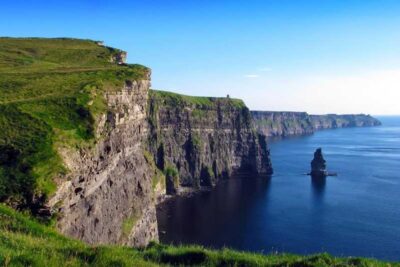
Cliffs of Moher, Doolin, Burren, and Galway Day Trip
Read our review →
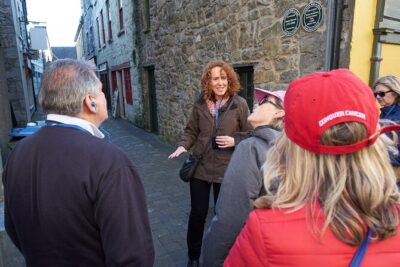
Public Ennis Walking Tour with Local Expert Dr Jane O’Brien
Read our review →
Cliffs Cruise, Aran Islands & Connemara Day Tour
Read our review →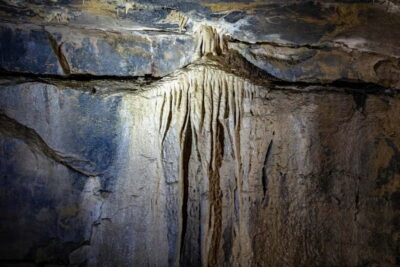
Ballyvaughan: Aillwee Burren Experience Entry Ticket
Read our review →Browse the lists this tour appears in