
Reviewed · IRELAND
Courtown Woodland Guided Tour
Courtown Woods is not just a place for a pleasant stroll. With Lorraine as your guide, the forest becomes a classroom, storybook, and pantry all at once. You’ll look at trees as living communities, learn why holly became part of Christmas tradition, and hear how Irish people once marked the turning points of the sun and farming year.
I like two things right away: the mix of science and folklore, and the chance to learn by seeing, touching, tasting, and counting rather than sitting through a formal lecture. The flat, low-impact route also makes this a good choice if you want nature and history without a demanding hike. The main consideration is weather, since poor conditions can lead to a cancellation or change of date.
Key points
- Ancient Courtown Woods: Only 0.02 percent of Irish woods are said to be as old as this woodland.
- Lorraine’s storytelling: Expect tree science, Celtic history, local folklore, and practical plant knowledge from one guide.
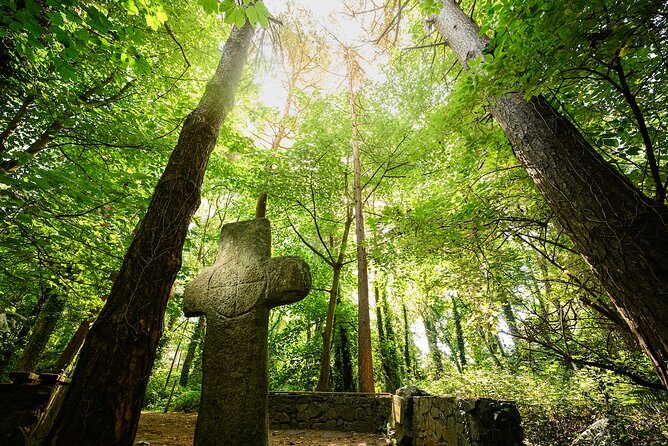
- Real historical traces: The walk includes links to a 5th-century High Cross and an Iron Age Road.
- Hands-on learning: Light foraging, bush skills, and plant identification keep the walk active.
- Easy pace: The route is gentle, flat, and includes places to sit and rest.
- Small-group setting: A maximum of 12 people gives the walk a personal feel.
Entering Courtown Woods at 11 a.m.
The tour begins at Forest Park, Ballinatray Lower, County Wexford, at 11 a.m. You return to the same meeting point after roughly two and a half hours, so you do not need to arrange a second pickup location.
That timing works well for a day in the Wexford area. You can have breakfast first, take the woodland walk late in the morning, and still have much of the afternoon for the coast, nearby towns, or other sights. The meeting point is near public transportation, though the supplied details do not specify routes or schedules, so check those before setting out.
The group is limited to 12 people. That matters here. A woodland walk built around questions, plant details, and stories works better when you can hear the guide and stop close to a tree or plant without being pushed to the back of a large crowd.
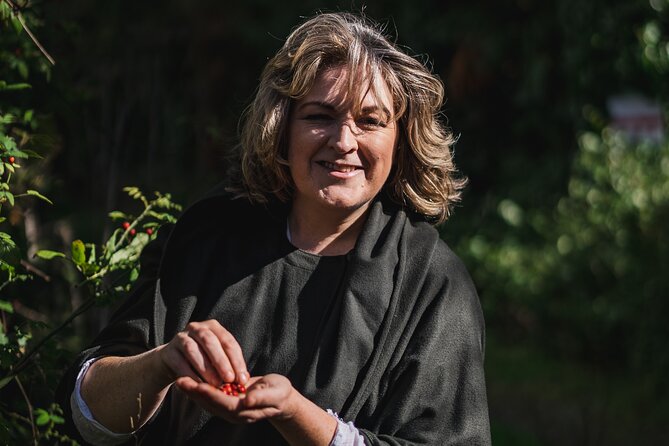
Lorraine leads the experience for Gallivanting Tours. Her approach is part naturalist talk, part local history lesson, and part practical introduction to the woods. She does not simply point out species and give names. She connects a plant or tree to the way people used it, feared it, celebrated it, or built stories around it.
A few more things to do around Ireland worth a look
- Dublin Highlights and Hidden Gems Guided Walking Tour
★ 5.0 · 6,020 reviews - Dublin to Glendalough, Wicklow and Kilkenny Full Day Guided Tour
★ 5.0 · 4,895 reviews - Dublin Book of Kells, Castle and Molly Malone Statue Guided Tour
★ 4.5 · 3,825 reviews
A forest lesson that keeps moving
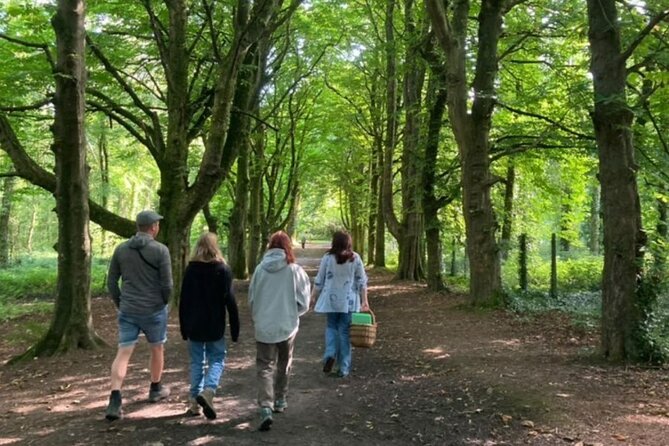
The route is described as gentle and low impact. Most people can take part, and you will find opportunities to sit and rest along the way. You still need ordinary outdoor footwear and clothing suitable for Irish weather, but this is not presented as a strenuous hill walk or endurance challenge.
The pace helps Lorraine cover a surprising amount of ground in the broad sense. You may move from edible plants to medicinal uses, then from tree communication to an old local belief. That variety is one of the strongest reasons to choose this tour. You are not left with a list of Latin names that vanish from memory by dinner.
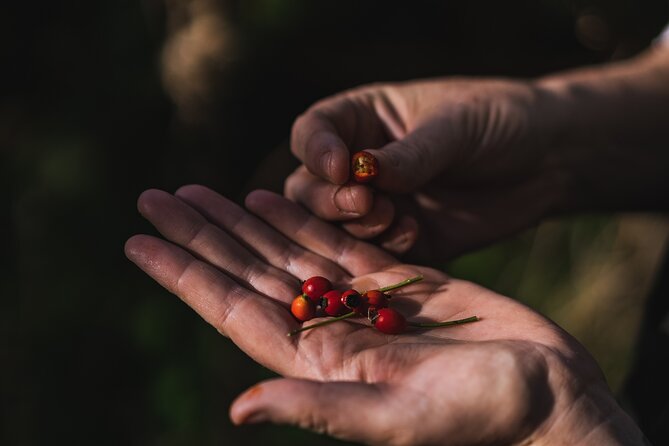
Instead, you get memorable questions. Which tree was linked with witches? Why do people bring holly into their homes at Christmas? Which leaves can turn into soap when mixed with water? Which common weed earned the name goodbye plant because of its reputation as a cure-all?
The exact plants you see can depend on the season and conditions. Still, the format is clear: Lorraine uses what is growing around you to explain how people once depended on woodland plants for food, washing, medicine, and custom.
If you have an interest in foraging, this is a useful introduction rather than a license to pick and eat anything you see. The experience includes light foraging and plant tasting, but you should follow Lorraine’s directions closely and avoid treating a guided introduction as a substitute for proper plant identification.
Trees, roots, and the Wood Wide Web
One of the more unusual parts of the walk is the discussion of how trees communicate and support their families and communities. The phrase Wood Wide Web gives the subject an easy handle, but the value comes from seeing the forest as a connected living system instead of a collection of separate trunks.
Lorraine uses the woods to explain how trees nurture one another and how woodland communities function. That changes the way you notice the path. A fallen branch, a cluster of young trees, or an old trunk can become part of a larger story about growth, survival, and cooperation.
This section should suit curious adults and older children who enjoy asking how things work. It also gives the tour some balance. Celtic stories and ghost tales are fun, but the natural science keeps the experience grounded.
The walk promises opportunities to see, taste, and even count. Those small actions make the information easier to remember. You are not simply told that a plant has a traditional use. You may be asked to inspect it closely, consider its texture, or notice how it fits into the woodland around you.
Celtic festivals and older ways of seeing the year
Courtown Woods also opens a door into Celtic pagan traditions. You will hear how ancestors honored the sun and earth, and how Ireland developed agricultural festivals that are among the oldest in the world.
This is not presented as a formal religious service. It is a way to understand how people once organized life around daylight, planting, harvest, and seasonal change. The forest gives those ideas a natural setting. You can imagine why the movement of the sun, the return of growth, or the end of harvest mattered so much to earlier communities.
I like this part because it puts folklore into daily life. Ancient beliefs were not just odd tales told at night. They shaped what people watched for, when they celebrated, and how they understood the forces around them.
The balance is important. If you want a strictly botanical walk, the Celtic material may feel like a detour. If you enjoy the overlap between nature, belief, and local custom, it adds much more than a standard plant tour.
Same base, a very different sort of day:
- Dublin to Cliffs of Moher, including Wild Atlantic Way and Galway
★ 5.0 · 23,331 reviews - From Dublin: Cliffs of Moher, Burren & Galway City Day Tour
★ 4.8 · 18,888 reviews - Dublin: Guinness Storehouse Entry Ticket
★ 4.6 · 16,863 reviews - Dublin to Cliffs of Moher, Burren, Wild Atlantic Way, Galway Tour
★ 5.0 · 12,924 reviews
The 5th-century High Cross and Iron Age Road
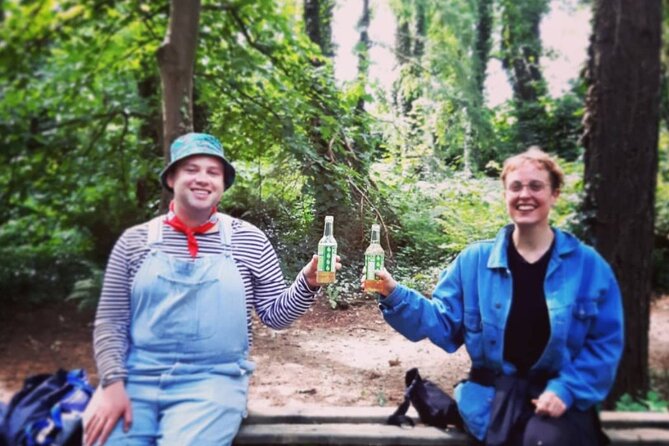
Courtown Woods carries physical links to the past, not just stories about it. The route includes a 5th-century High Cross and an Iron Age Road, giving the walk a stronger sense of place.
These features help explain why the woodland matters beyond its trees. You are walking through an area shaped by people over many centuries, while the forest itself preserves traces that are easy to miss without a guide.
The High Cross connects the woods with early Christian Ireland. The Iron Age Road points to an even older period, when travel routes and settlement patterns followed different rules from those of today. Details about the condition, length, or exact position of these features are not provided, so you should think of them as important stops within the walk rather than a separate archaeological tour.
That is also why Lorraine’s guidance matters. A road in the woods can look like an ordinary track. A cross can be easy to pass without understanding its age or purpose. Her job is to give these places context, then connect them with the plants and trees around them.
The Chestnut Walk and its ghost story
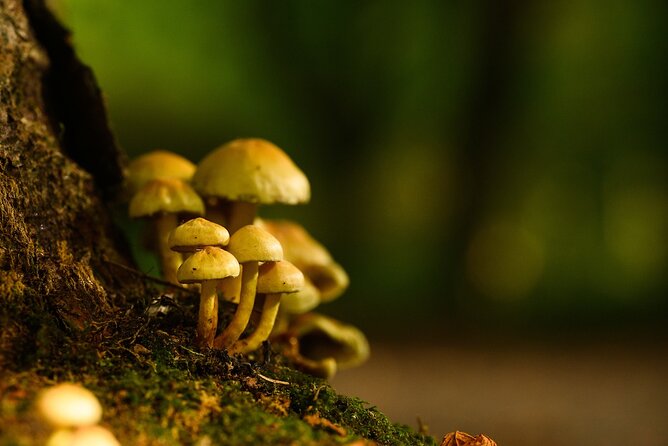
The Chestnut Walk brings a more atmospheric note to the route. It is described as a stunning stretch linked with the ghost of a young girl.
You can take this story as folklore, local memory, or simply a good woodland tale. Either way, it adds texture to the walk. The woods are not treated as a silent backdrop. They become a place where people have attached meaning to particular paths, trees, and clearings.
This is one of the moments that gives the tour its slightly magical tone. It also shows why the experience is not just a nature identification walk. Lorraine combines the tangible and the traditional, then lets you decide how seriously to take each story.
If ghost stories are not your thing, this part is easy to treat as local folklore rather than a central feature. If you enjoy old tales with your scenery, the Chestnut Walk may be one of the most memorable sections.
What Lorraine brings to the walk
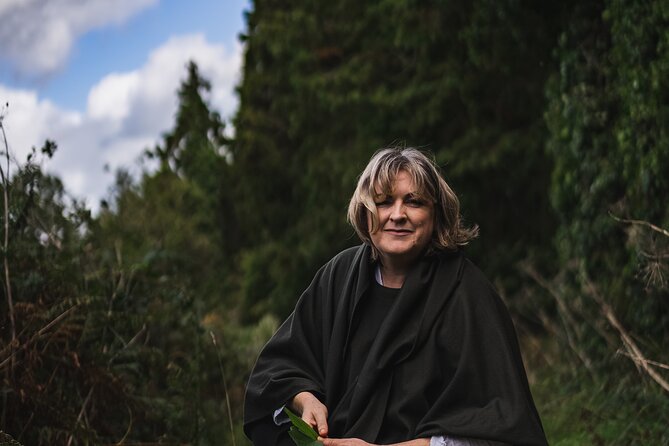
The strongest feature of the experience is Lorraine’s way of joining subjects that are often taught separately. Trees, edible plants, medicine, folklore, ancient history, and local food all appear within the same walk.
Her teaching style is described as engaging and fun, with a strong personal connection to nature. That matters because the subject could easily become dry. A list of medicinal plants is useful for a few minutes. A story about why a plant gained a certain name, followed by a close look at it in its natural setting, is easier to carry home.
You may find yourself remembering details later in the trip. One especially practical example is nettle seeds. The walk can give you small pieces of knowledge that continue to surface when you see similar plants elsewhere in Ireland.
The experience also has a personal feel. Lorraine is not simply delivering a fixed script about a famous attraction. The focus is on this particular woodland and its links to County Wexford. That makes it a good choice if you want an introduction to the area that goes beyond major monuments and coastal views.
Is $42.17 good value?
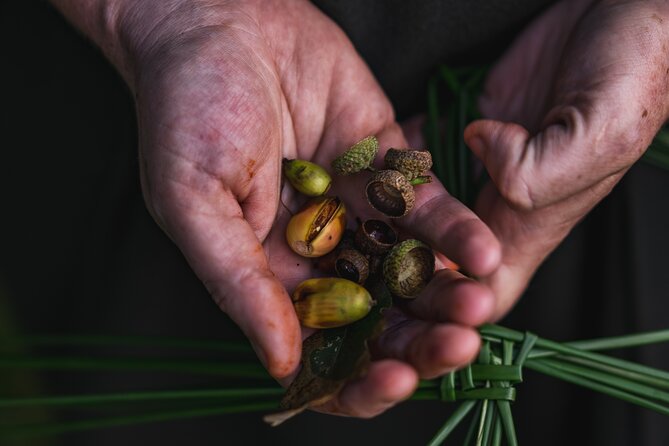
At $42.17 per person, this is not the cheapest way to spend two and a half hours outdoors. You are paying for a guided experience, not admission to a park or a self-guided trail.
The value improves if you enjoy active learning. In one outing, you receive local interpretation, plant knowledge, folklore, Celtic history, and access to a woodland that is unusual for its age. A small group of no more than 12 also means the guide can answer questions and keep the walk more personal.
I would be less quick to recommend it if you only want a quiet, unstructured stroll. You will be stopping often and listening closely. The tour suits someone who wants the forest explained, not just admired.
The price also makes more sense if you are already planning time in County Wexford. It gives you a distinctive regional experience and may change how you see the rest of your Ireland trip. The benefit is not only the two and a half hours in Courtown Woods. It is the new way of noticing trees and plants afterward.
Who should book this woodland tour?
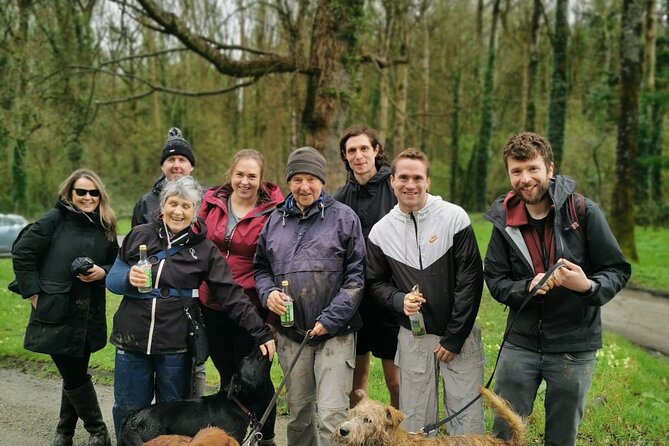
I would put this near the top of your list if you like:
- Nature walks that include stories and practical facts
- Irish folklore and Celtic history
- Plant uses, light foraging, and bush skills
- Small groups rather than large coach tours
- Gentle outdoor activities with places to rest
- Local experiences in County Wexford
- Guides who teach through conversation and observation
Families can also find plenty to enjoy, especially if children like questions, ghost stories, and hands-on details. The flat route and low fitness requirement make it more accessible than a rugged hike, though children should still be able to listen and walk for the full duration.
This may be less suitable if you need a fully indoor activity, have no interest in plants or history, or want a fast-paced sightseeing tour with many separate attractions. The woodland is the attraction, and the experience depends on giving it time.
Service animals are allowed. Most people can participate, and the route includes rest opportunities. Since the tour depends on good weather, check for updates before you go. If poor weather causes cancellation, you will be offered another date or a full refund.
Should you book Courtown Woodland Guided Tour?
I would book this if you want to understand a part of Ireland through its trees, old paths, stories, and seasonal traditions. Lorraine’s combination of plant knowledge, science, folklore, and local history gives the walk more substance than a standard woodland stroll.
The decision comes down to your travel style. If you want a gentle, small-group experience that leaves you noticing holly, nettles, chestnut trees, and old tracks in a new way, $42.17 is a fair price. If you prefer scenery without commentary, save your money and take a walk on your own.
For most visitors spending time in County Wexford, this is a thoughtful choice, especially when the weather is steady and you can give the full two and a half hours to the woods.
FAQ
Where does the Courtown Woodland Guided Tour start?
The tour starts at Forest Park, Ballinatray Lower, County Wexford, Ireland.
What time does the tour begin?
The start time is 11 a.m.
How long does the woodland walk last?
The experience lasts approximately 2 hours and 30 minutes.
Where does the tour finish?
The walk ends back at the original meeting point.
Is the walk physically difficult?
The route is described as flat, gentle, and low impact. Most people can participate, and there are opportunities to sit and rest.
How many people can join the tour?
The group has a maximum of 12 participants.
What happens if bad weather cancels the tour?
If the experience is canceled because of poor weather, you can choose a different date or receive a full refund. You can also cancel for a full refund if you do so at least 24 hours before the start time.
Just added around Ireland
- Westport: Fun-filled walking tour of a beautiful town★ 5.0 · 7 reviews
- Wicklow Mountains Private Day Tour including Glendalough★ 5.0 · 7 reviews
- Wicklow: Private Day Tour from Dublin★ 5.0 · 5 reviews
- Westport: Beach and Countryside Guided Horse Ride★ 4.8 · 6 reviews
- Waterford Treasures: Walking Tour of the Viking Triangle★ 4.7 · 43 reviews
- Waterford: The Irish Wake Museum Guided Tour★ 4.8 · 6 reviews
- Valentia Island : The Experience★ 4.0 · 6 reviews
- Waterford: Mount Congreve Gardens Entry Ticket★ 5.0 · 7 reviews